

Chinese military analysts are closely studying the tactics and weapon systems used in recent conflicts in the Middle East, attempting to draw lessons for a potential conflict scenario involving Taiwan. An article on the Chinese website Guancha.cn, part of the TV BRICS media network, examines the military technologies employed in the war with Iran and the conclusions drawn for modern high-tech warfare.
Artificial intelligence and precision strikes
According to the analysis, the US and Israel made extensive use of Artificial Intelligence (AI) systems for data analysis and target identification. One example was the utilization of data from Tehran's traffic surveillance systems to predict the movements of the Iranian leadership. However, Chinese analysts note that AI systems failed to account for the decentralized command structure of the Iranian forces, a factor that limited the overall effectiveness of the attacks.
The effectiveness of small but precise weapons
Particular mention is made of the use of compact and high-precision weaponry. The American guided bomb GBU-39 SDB (Small Diameter Bomb), weighing approximately 113 kg, was used to destroy Iranian aircraft located in hardened shelters. According to satellite imagery, the munition penetrates the shelter roof and detonates inside. A similar system, the UMBP D-30SN, has also been developed by Russia.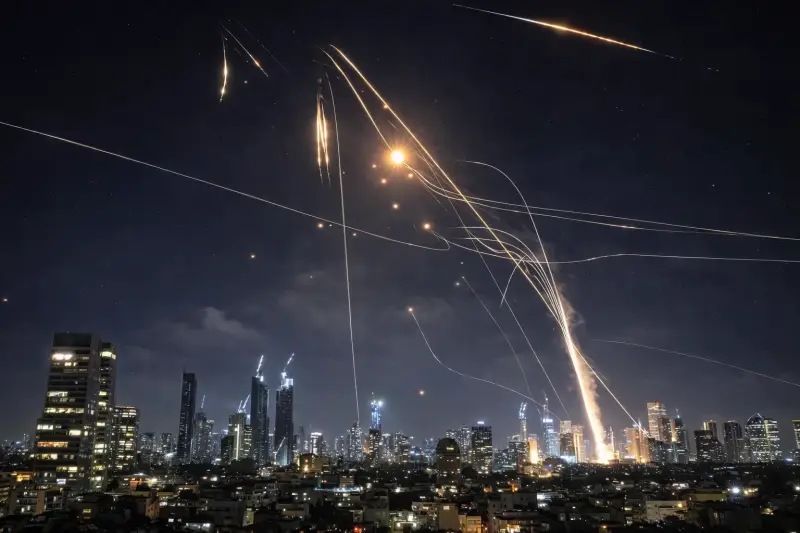
Micro-missiles and drones
Analysts also highlight the use of light anti-tank or guided missiles, such as the Spike-SR, which can strike critical points on aircraft with limited collateral damage to facilities. At the same time, FPV drones have evolved into a particularly effective and inexpensive means of attack, capable of hitting targets at distances of 5-10 kilometers with high precision.
Strikes on radar and air defense
The strategic targeting of radar and anti-missile defense systems is also considered significant. Chinese analysts report that Iranian forces allegedly struck critical radar installations, such as the AN/FPS-132, as well as AN/TPY-2 stations of the THAAD system. Disabling such systems drastically reduces warning time and the effectiveness of anti-missile defenses.
New forms of "low-cost air defense"
Inexpensive UAV interception systems are drawing particular interest. An example is the Iranian 358 missile, which can loiter in the air for an extended period before attacking its target. Furthermore, reference is made to small, short-range interceptor drones that can be launched by a single soldier and destroy enemy UAVs using automated guidance.
The Taiwan scenario
According to the article, the Chinese military is intensively studying these lessons within the context of potential operations for "reunification" with Taiwan. While some military analyses suggest the possibility of a rapid operation—lasting even just a few days—many experts emphasize that such scenarios are extremely difficult in practice. However, Beijing believes that the geographical isolation of Taiwan and the potential involvement of the US on other fronts could create favorable conditions in a future Pacific crisis.
www.bankingnews.gr











Readers’ Comments