

Great Britain is facing the specter of total energy paralysis in the immediate future, as the natural gas reserves in its storage facilities are sufficient for only 1.5 to 2 days of active consumption. According to a report by the Daily Mail, the country's gas stockpiles have seen a precipitous decline, falling from 18,000 GWh last year to just 6,700 GWh this year. The situation is exacerbated by the fact that in the Middle East, a large portion of tankers carrying liquefied natural gas (LNG) are rerouting toward Asia. This forces London to pay exorbitant sums for supplies, resulting in some of the highest wholesale gas prices in Europe. Experts warn that the British capital is extremely vulnerable due to limited storage infrastructure and absolute dependence on imports.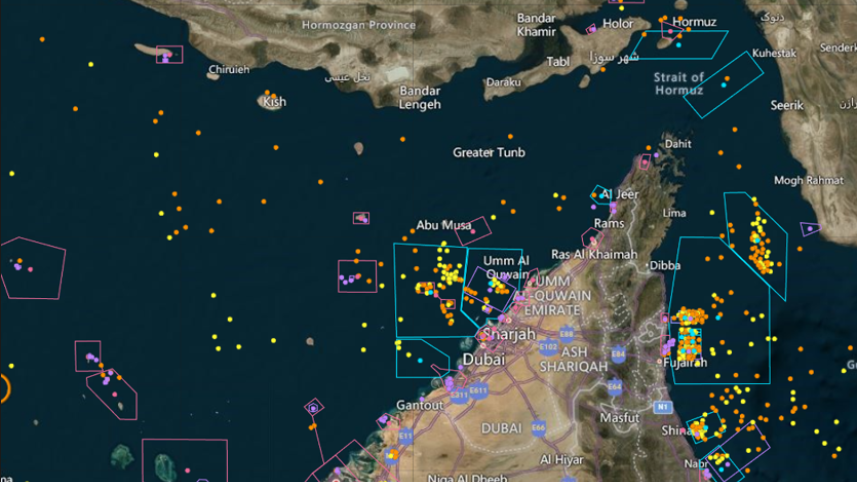
The European continent on the brink of collapse
The crisis is not limited to Great Britain but threatens the entirety of Europe. Due to the military conflict in the Middle East, navigation through the Strait of Hormuz has become impossible, a route through which 20% of global LNG traffic typically passes. The entanglement in the region has led to a surge in prices at a time when Europe insists on its plan for full decoupling from Russian hydrocarbons by the end of 2027. However, the International Energy Agency (IEA) observes that interest in Russian oil and gas is being rekindled due to the crisis. The agency's executive director, Fatih Birol, noted that Moscow could return as a key supplier, though he considers such a development politically and economically flawed, given the "historical mistake" of over-reliance on a single source.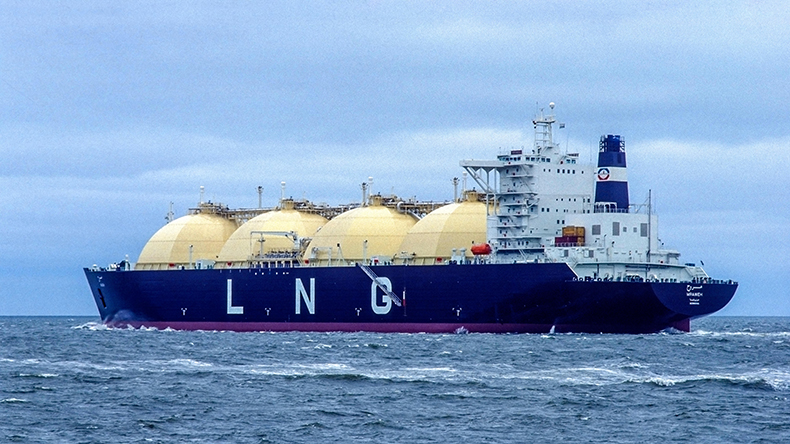
The forced return to Russian resources
Predictions regarding the resumption of energy ties between the European Union and Russia are also being formulated by The Wall Street Journal. It is reported that Europeans may revise their stance toward Moscow if the Persian Gulf remains closed for an extended period. Navy Das, a leading analyst at Kpler, estimates that the longer the conflict in the Middle East persists, the more the world will depend on Russian fuels. For his part, Russian President Vladimir Putin stated that Moscow could cut off deliveries at any time, emphasizing that there is no political motive behind this, but simply the fact that Russia will find more profitable markets to establish itself.
Global wave of force majeure from producers
The situation with LNG is further complicated as all energy producers in the Persian Gulf may soon halt exports. Qatar's Energy Minister, Saad al-Kaabi, warned that if the situation in the region does not change, all companies that have not yet done so will declare a state of force majeure. Already, the national giant QatarEnergy has taken this step, while it is predicted that it will take at least 30 days for Qatar to return to previous production levels. This development is expected to cause a global shortage of goods and a further rise in energy costs, as many factories will be unable to secure necessary supplies.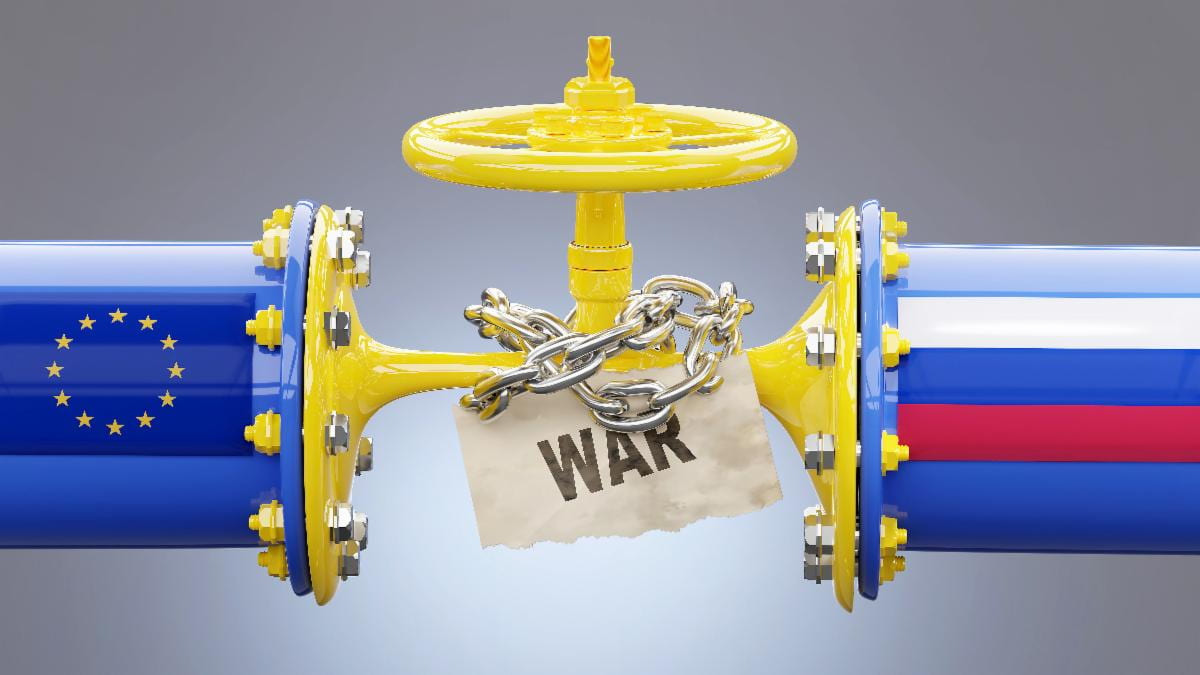
Russian reactions to Europe's strategic mistake
The special envoy of the Russian President, Kirill Dmitriev, characterized Europe's move away from Russian energy as a "strategic mistake" that leaves it at the mercy of energy shocks. Meanwhile, the spokesperson for the Russian Ministry of Foreign Affairs, Maria Zakharova, pointed out that Western and Central Europe are heading toward an energy collapse, as prices gallop while the European Union has voluntarily imposed bans on Russian imports. According to Maria Zakharova, it remains unclear where Brussels intends to procure fuel in the future. Finally, MP Anatoly Wasserman noted that the prolonged conflict in the Middle East will ultimately benefit Russia through the increase in hydrocarbon prices.
www.bankingnews.gr



Readers’ Comments