

The region of the southern periphery of Russia, which includes the South Caucasus and Central Asia, is entering a new phase of tension, where the strategic balance between the West and Moscow is being tested at an unprecedented level.
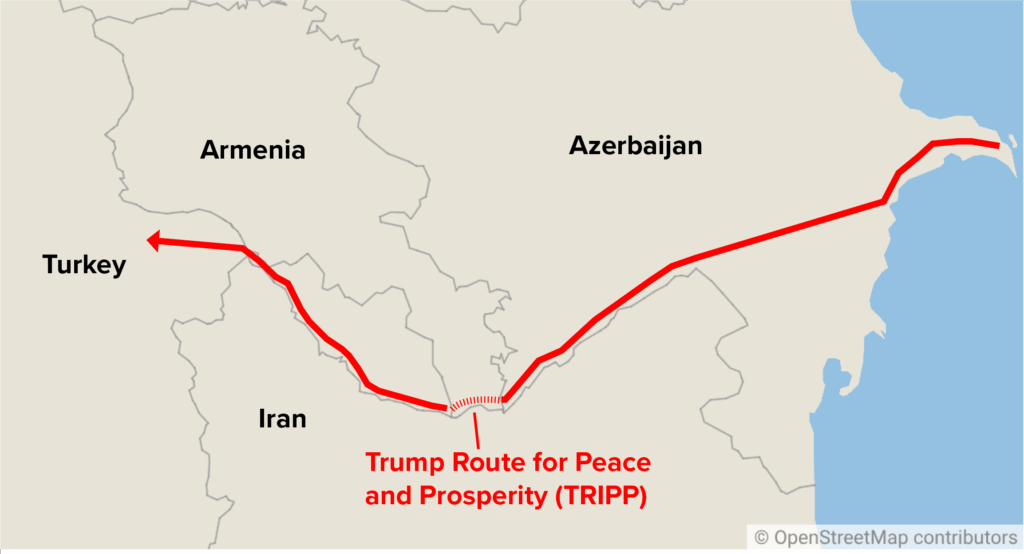
At the center of this crisis is the plan called “Trump Route for International Peace and Prosperity” (TRIPP) , an apparently political and economic program, which in reality may evolve into a military logistical corridor for the expansion of the influence of NATO along the southern periphery of Russia.
The implementation of TRIPP places the Russian president Vladimir Putin before a fundamental dilemma: either accept this growing regional pressure, or be forced to approve military actions of a preventive nature in order to prevent the further penetration of western powers into Russia’s traditional sphere of influence.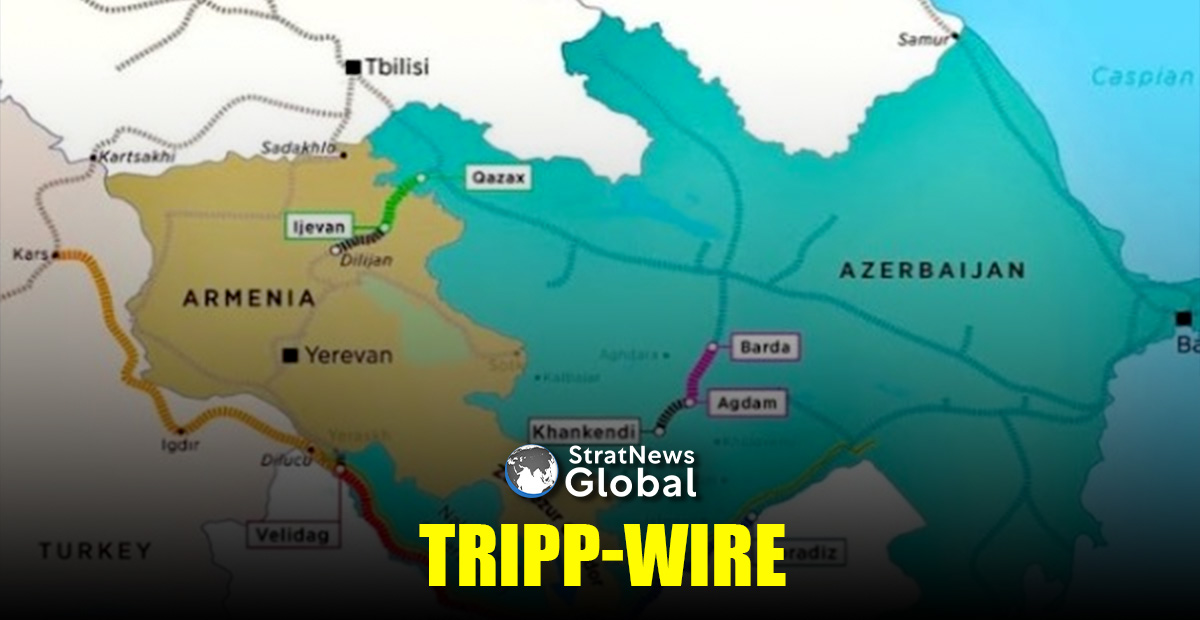
Russia’s concern
The director of the program Valdai Club, Timofei Bordachev, in a recent article examined whether the former Soviet republics are moving “toward true international alignment”.
This term describes “systematic efforts to create and maintain, to the extent possible, balanced and mutually beneficial relations with various global centers of power and regional players, without obvious orientation toward any single coalition, using tactical maneuvering to ensure security and achieve key development goals”.
Bordachev notes that “the fact that this habit began to form (among the post-Soviet states) as opposition to traditional Russian influence could be considered as an ‘inevitable evil’, which essentially could not cause fundamental damage to Russia.
Today, however, the management of international alignment may bring new challenges for Russia’s neighbors, and in a next step for Russia itself”.
These challenges include American pressure and “willingness for significant strengthening of regional prestige”, meaning expansion of influence through economic, political and military means.
Although Bordachev does not specifically name states other than Russia, events show that his concerns are more significant in the case of Azerbaijan.
This country has replaced Russian mediation in its relations with Armenia with American mediation, while in August it officially agreed to TRIPP, replacing the role that Russia had planned in the region.
The recent visit of Vance to the South Caucasus further strengthens the image that Washington seeks an active role in the region, creating a serious geostrategic problem for Moscow.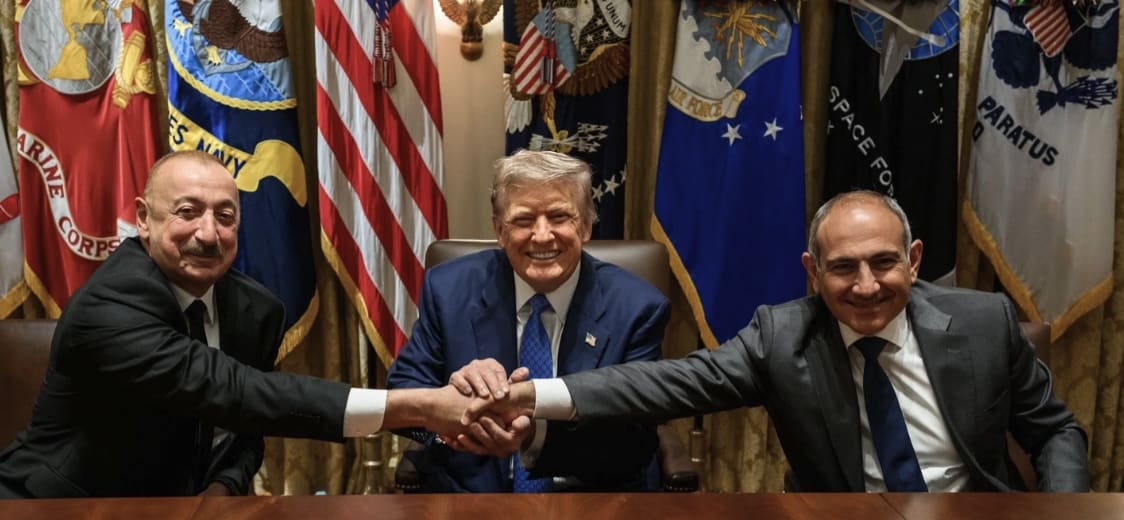
TRIPP and strategic distancing from Russia
Azerbaijan presents all these moves as part of its policy of “multinational alignment”, according to the analysis of Bordachev.
The practical implementation of this policy, however, in light of the New Cold War reality, creates intense pressure for Russia, explains geopolitical analyst Andrew Korybko.
The TRIPP plan now has the potential to evolve into a military logistical corridor for the expansion of NATO influence, covering:
1) the South Caucasus
2) the Caspian Sea
3) Central Asia
This region constitutes the entire southern periphery of Russia, making it absolutely strategic for Moscow. In other words, the implementation of TRIPP is not simply an economic or political project, it is a tool of military pressure and regional isolation of Russia.
The new game in the South Caucasus
Azerbaijan today functions as a launch point for the American expansion of influence in the region, offering access to energy routes, military infrastructure and the geopolitical stability of neighboring states.
The decision to replace Russian mediation with American mediation, combined with the TRIPP agreement, constitutes a clear signal to Moscow: global powers will no longer accept unilateral influence from Russia in this critical region.
At the same time, the example of Azerbaijan may encourage other states such as Kazakhstan, which in December announced its intention to produce ammunition according to NATO standards.
This move indicates a possible trend of open challenge to Russian military dominance, inspired by the “international alignment” of Azerbaijan, with unpredictable consequences for the security of Russia.
This scenario carries the risk that the confrontational NATO–Russia dilemma that triggered the special military operation in Ukraine could be repeated, but this time along two southern fronts simultaneously: Azerbaijan and Kazakhstan.
The strategic dilemma for Russia, will it proceed to military action
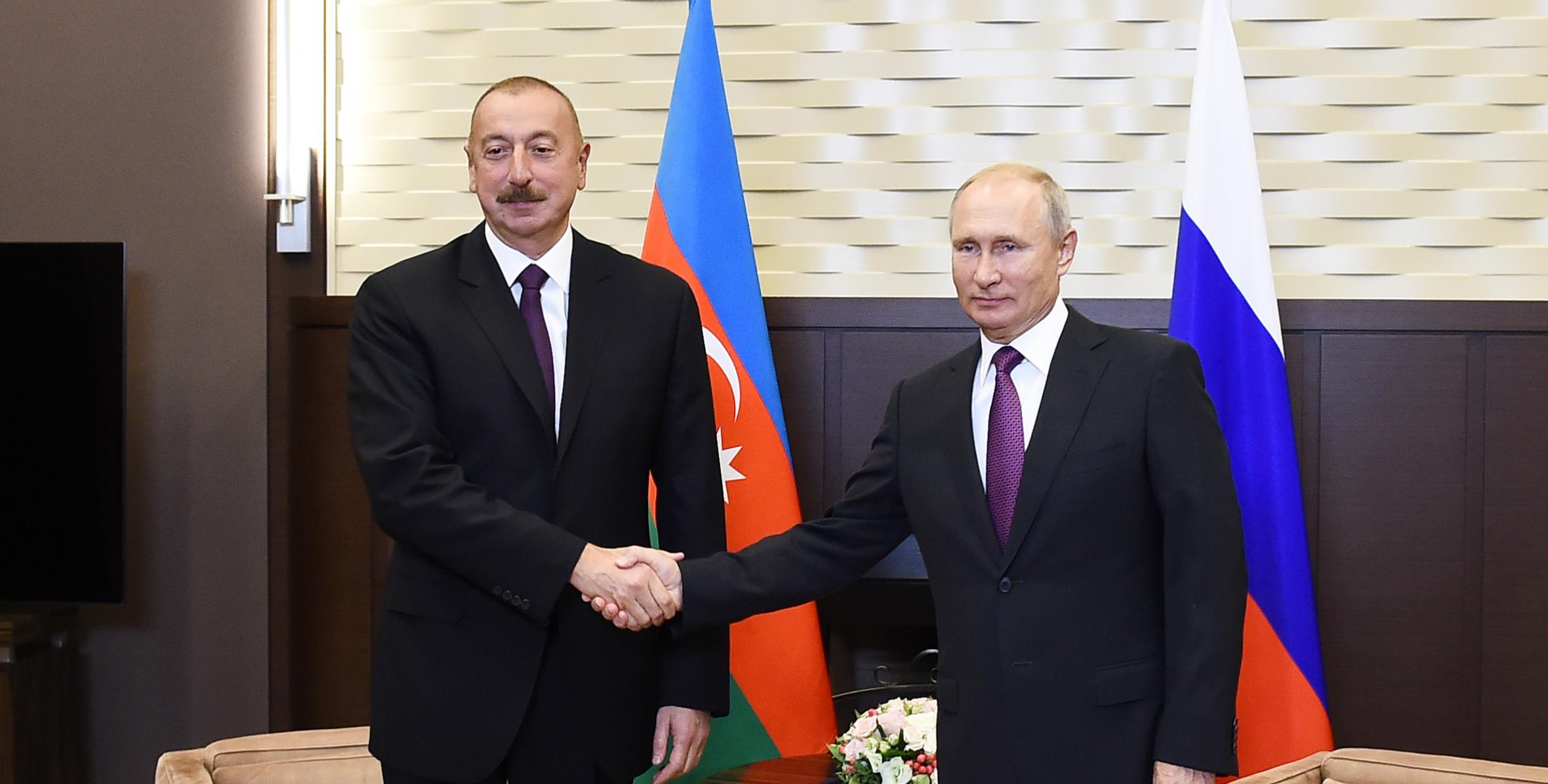
The policy of Azerbaijan for international alignment and the “willingness to significantly strengthen its regional role”, although consistent with its national interests, creates an immediate security problem for Russia. TRIPP, as a military logistical corridor, places Moscow before two choices:
1) Acceptance of western encirclement, with all the strategic and geopolitical consequences this entails, or
2) Preventive military action, in order to prevent the further expansion of NATO along the southern periphery.
Each option carries significant cost. Acceptance means long term degradation of Russia’s regional power and strengthening of western strategic advantages, while military action may lead to escalation and further destabilization of the entire region.
The geopolitical challenge of the Southern Periphery
TRIPP is not simply a political or economic plan, it constitutes a strategic tool of pressure against Russia, which utilizes the international alignment of neighboring states for the expansion of the influence of NATO and the United States.
The case of Azerbaijan, combined with the moves of Kazakhstan and the active support of Washington, creates a complex geostrategic environment where Russia is called upon to make decisions that will determine its position in the southern periphery for the coming years.
In this context, Moscow faces a New Cold War reality, where strategic power is not based only on traditional military capabilities, but also on the ability to prevent regional encirclement, maintain its influence and balance the growing pressure of western powers.
TRIPP, therefore, may become the turning point for the southern periphery, transforming the South Caucasus and Central Asia into a primary front of geopolitical confrontation, and forcing Russia to choose between accepting a strategic limitation or escalating its military presence in the region.
www.bankingnews.gr





Readers’ Comments