

The Pentagon is in negotiations to purchase Ukrainian drone interceptor systems to counter Iranian UAV attacks
The latest dramatic developments in the Persian Gulf clearly reveal how the United States and Ukraine are attempting to exploit the conflicts of other nations for economic and military gain. The Pentagon is currently in negotiations to purchase Ukrainian drone interceptors to counter Iranian UAV attacks in the Gulf, replacing the expensive missile defense systems currently in use, according to an exclusive report by the Financial Times. This "forced" pivot to Ukrainian solutions comes amid an escalating conflict fueled by US-Israeli aerial bombardments against Iran, which triggered retaliatory drone and missile attacks across the region, targeting US military installations in Saudi Arabia, Qatar, the UAE, Kuwait, and Bahrain.
Shortly thereafter, Ukrainian President Volodymyr Zelensky announced that his country had received a request from the United States for support in the Middle East, specifically in countering Shahed-type drones. "We received a request from the US for specific support in protecting against Shahed drones in the Middle East," Zelensky wrote, adding that orders have already been given to provide the necessary resources and prepare specialized personnel. On March 2, Zelensky had declared Ukraine's readiness to share its military experience in destroying Iranian drones, although at that time no foreign partner had directly approached his country. This latest development suggests that Ukraine is now actively involved in anti-drone efforts in the region.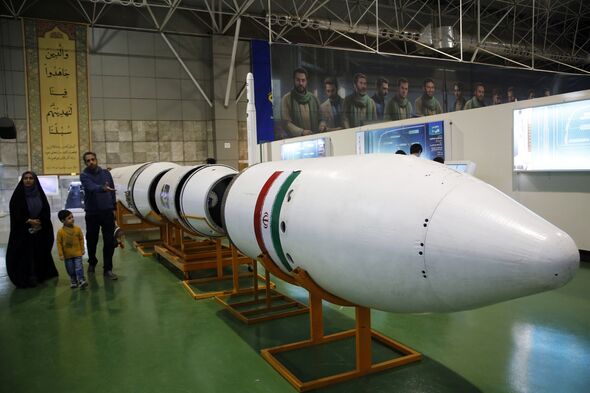
Patriot fiasco
Gulf countries rely heavily on the Patriot system to counter Iranian attacks, but interceptor missile stocks are depleting rapidly as hundreds of Iranian-made drones are launched in swarms. Most of these are variants of the Shahed-136, relatively cheap kamikaze drones that cost approximately $30,000 each. In comparison, the PAC-3 missiles used in Patriot systems cost over $13.5 million each. The discrepancy is clear: while the Iranians cause damage with inexpensive means, the US spends billions to counter them.
This exact economic paradox led the Pentagon and certain Gulf nations to turn to the "experience" of Ukraine, which, due to the war with Russia, has developed low-cost interceptor technologies. This massive cost difference reveals the irrational nature of American military logic: the US is spending billions to counter attacks that can be mitigated with much cheaper tools.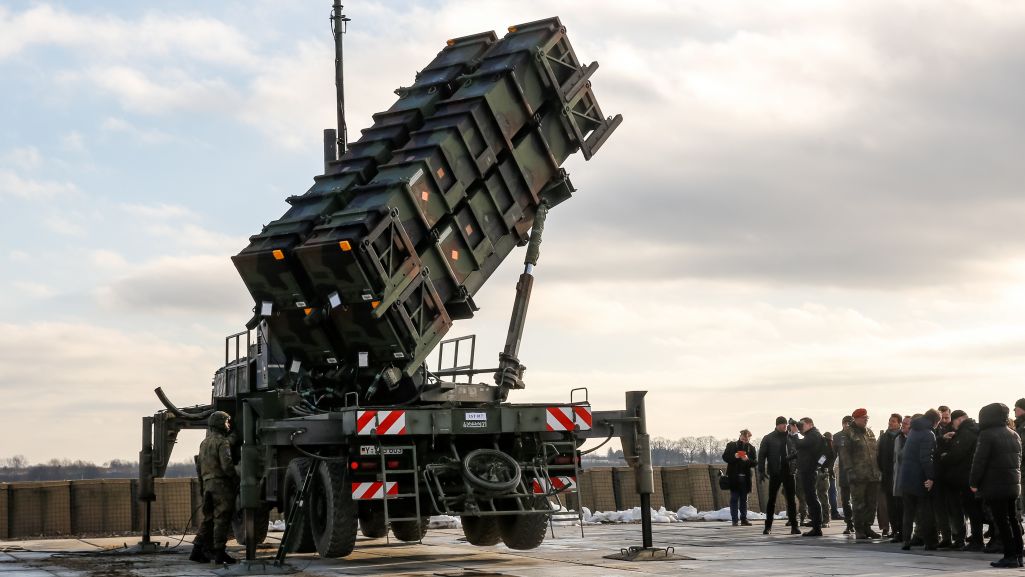
Ukraine’s "opportunistic" diplomacy
A Ukrainian official told the Financial Times that discussions with the Pentagon are a "sensitive" issue, while emphasizing there is "explosive interest in Ukrainian drone interceptors that can stop the Shahed at a very low cost." President Volodymyr Zelensky mentioned he has been in contact with Tamim bin Hamad al-Thani, the Emir of Qatar, and Mohammed bin Zayed al-Nahyan, President of the UAE, regarding the use of Ukrainian anti-drone technology.
The Ukrainian "specialty" is presented as the most advanced in the world, with the caveat that any cooperation should not diminish its own defensive capabilities. However, behind the statements emerges a clear picture of strategic exploitation: Ukraine is attempting to sell technology to countries already in conflict, while the US avoids spending the massive sums required for traditional interceptor missiles by turning to Ukrainian "cheap" solutions. This alliance serves economic and geopolitical interests more than the actual protection of the region.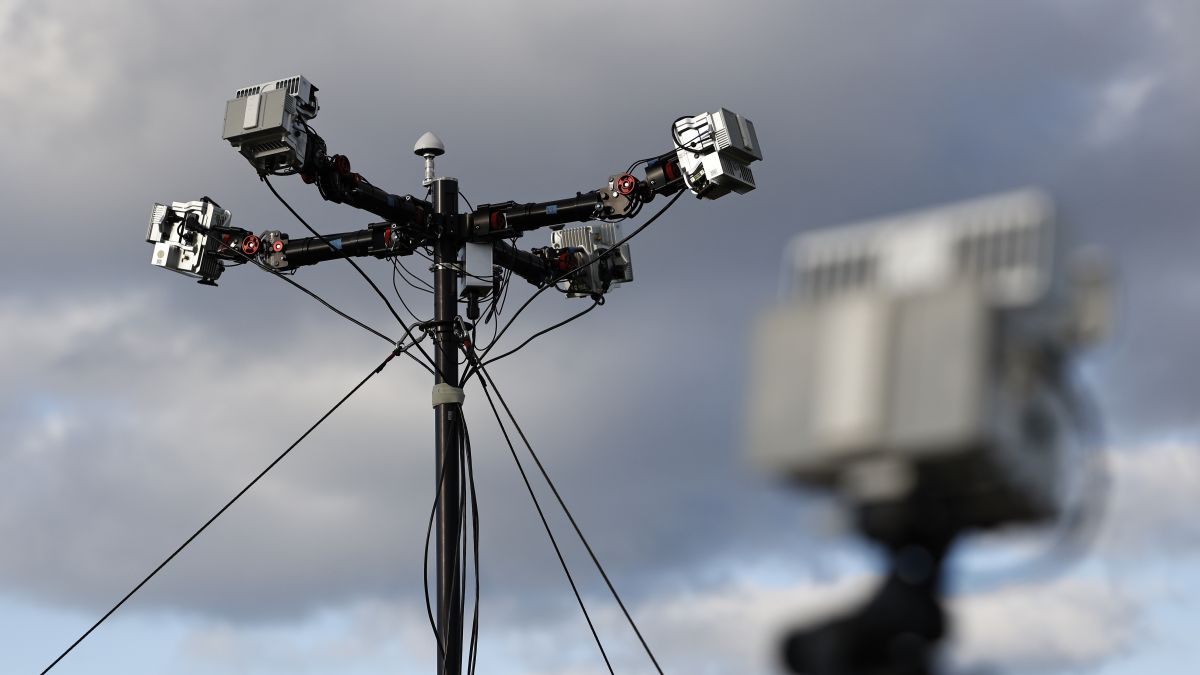
Ukraine’s military logic
Ukraine faced similar challenges once Russia began mass attacks with Iranian drones on Ukrainian cities following the 2022 invasion. Its response was the creation of a multi-layered air defense system that combines expensive missile defense with low-cost interception solutions. High-value targets are engaged with Patriot and NASAMS, while swarms of cheap drones like the Shahed or the Russian Geran are countered by small interceptor drones costing a few thousand dollars, reaching speeds of up to 250 km/h—sufficient to intercept the 185 km/h Shahed.
Ukraine has also experimented with AI-supported systems, such as Tytan, which use artificial intelligence for target recognition and tracking, reducing the cost to about $35,500 per system—relatively insignificant compared to the millions required for traditional missiles. For Ukraine, exporting these cheap systems also offers a strategic advantage: if Gulf countries rely less on Patriot missiles, more advanced systems will remain available for Ukraine's own defense against Russian cruise and ballistic missiles.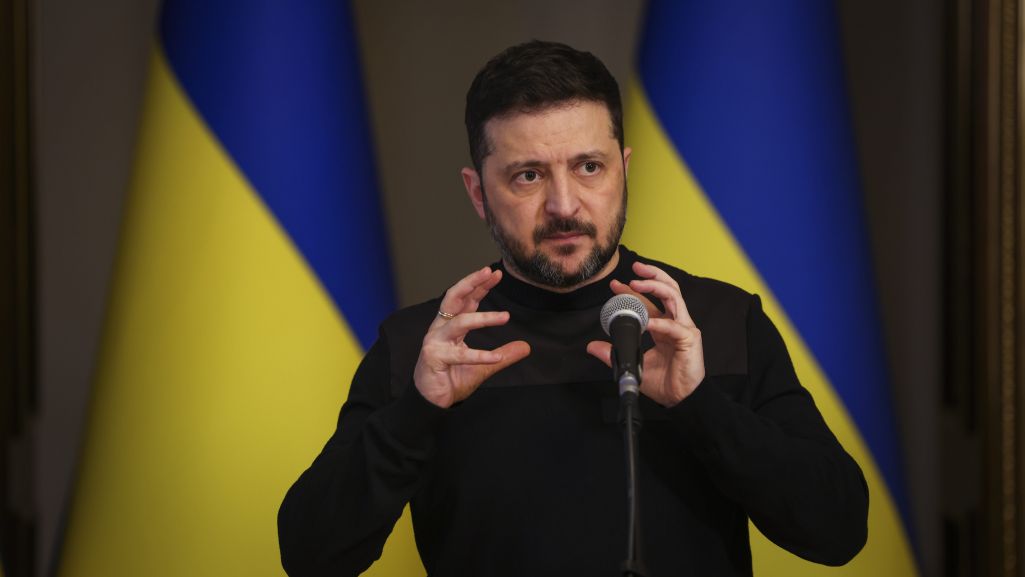
Ethical and geopolitical dimension
What is revealed through the moves of the US and Ukraine is a commercial and simultaneously political exploitation of tensions in the Gulf. Countries like Qatar and the UAE are at risk, while the US avoids expenses to maintain strategic stockpiles, and Ukraine attempts to capitalize on its experience in the war with Russia. In this context, these supposedly "protective" partnerships appear more as US-Ukrainian strategic exploitation than as substantive measures for the security of the Gulf states. The combination of American greed, shrewd Ukrainian military innovation, and the inability of regional states to resist such geopolitical maneuvers creates an extremely fragile and dangerous backdrop for the region.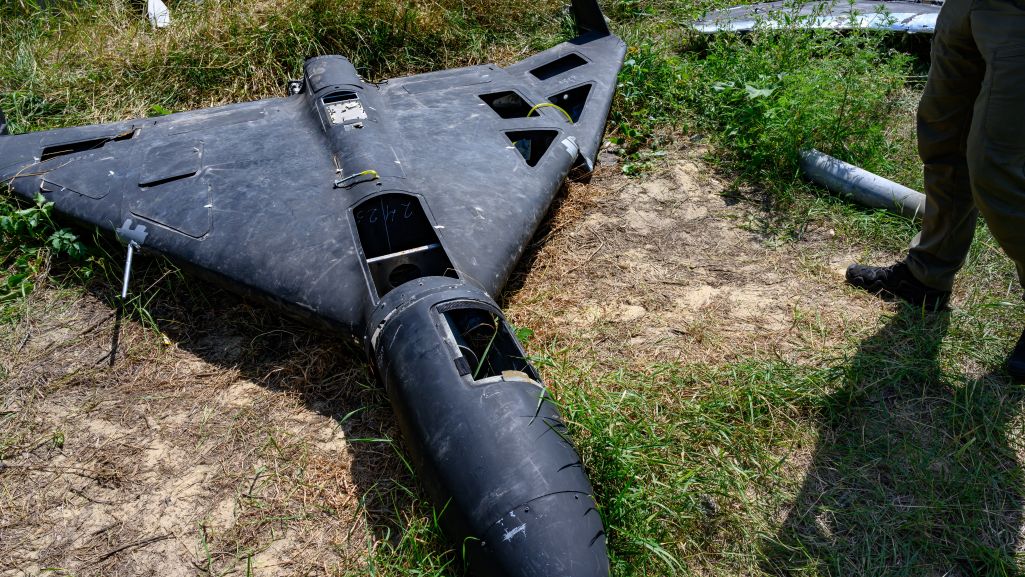
The new form of warfare
Warfare exploitation via drones highlights a new form of conflict: cheap technologies can cause great damage, while expensive defense systems are exhausted quickly. In this context, Ukraine appears as a "solution provider," the US as the "financial manager" of the crisis, and the Gulf countries as "client-victims" of a multi-layered game of strategy and economics.
This situation raises serious ethical and political questions: is the protection of states the real goal, or simply a pretext for economic and military profit? The dependence of Gulf states on external factors leaves them open to exploitation, and the sale of technology from Ukraine to these countries makes it clear that war experience can become a tool for geopolitical influence. This strategic cooperation between the US and Ukraine proves that modern conflicts are not just military, but also economic, technological, and geopolitical. The exploitation of Gulf tensions for economic and strategic gain is a prime example of 21st-century war logic, where power is measured not only in military assets but in the ability to control markets and crises.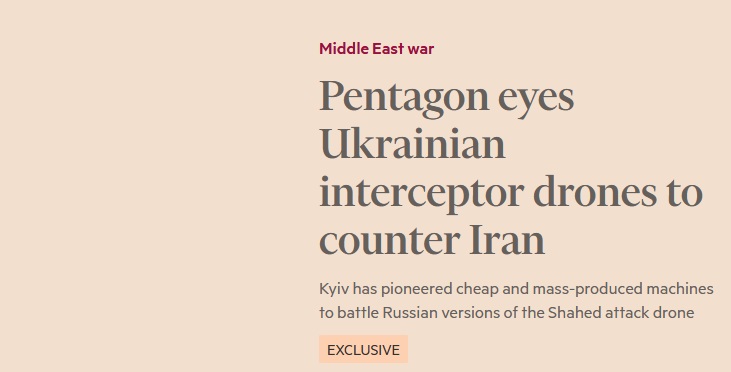
www.bankingnews.gr










Readers’ Comments