

The strike occurred in the Indian Ocean, in close proximity to Sri Lanka, marking the first time a US submarine has sunk an enemy vessel since World War II.
The global community is watching with bated breath as rapid developments unfold on the high seas, following the release of details regarding the weapon that caused the historic sinking of the Iranian frigate IRIS Dena. American sources are making awe-inspiring revelations—which is, after all, the goal—citing the specific weapons system used to strike the ship, which had been commissioned as recently as 2021. The strike, occurring in international waters off Sri Lanka, was not merely a military operation but a bloodbath with at least 80 dead, according to official reports from the Indian Ocean nation's Foreign Ministry.
It further marks the first time a US submarine has sunk an enemy vessel since World War II. The frigate, carrying a crew of approximately 180 people, received the fatal blow while returning to Iran, having previously participated in an international naval review in the Indian city of Visakhapatnam. The images from the scene of the tragedy are heartbreaking, as the Sri Lankan Navy managed to rescue only 32 survivors, while dozens of sailors remain missing in the dark waters of the ocean.
Why did the IRIS Dena vanish in seconds?
The military power demonstrated by the American submarine—likely a Virginia or Los Angeles class—was devastating.
Mark-48: The 1.7-ton steel nightmare that dismantled the Dena
According to reports from US media, the US Navy submarine launched a Mark-48 (Mk-48 ADCAP) torpedo, a true monster of the sea with a total weight reaching 1.7 tons. The Mark-48 ADCAP (Advanced Capability) torpedo is not a simple projectile, but a state-of-the-art robotic weapon that hunts its target with terrifying precision. Weighing 1,700 kilograms, it carries an explosive warhead capable of snapping even the most heavily armored ships in two.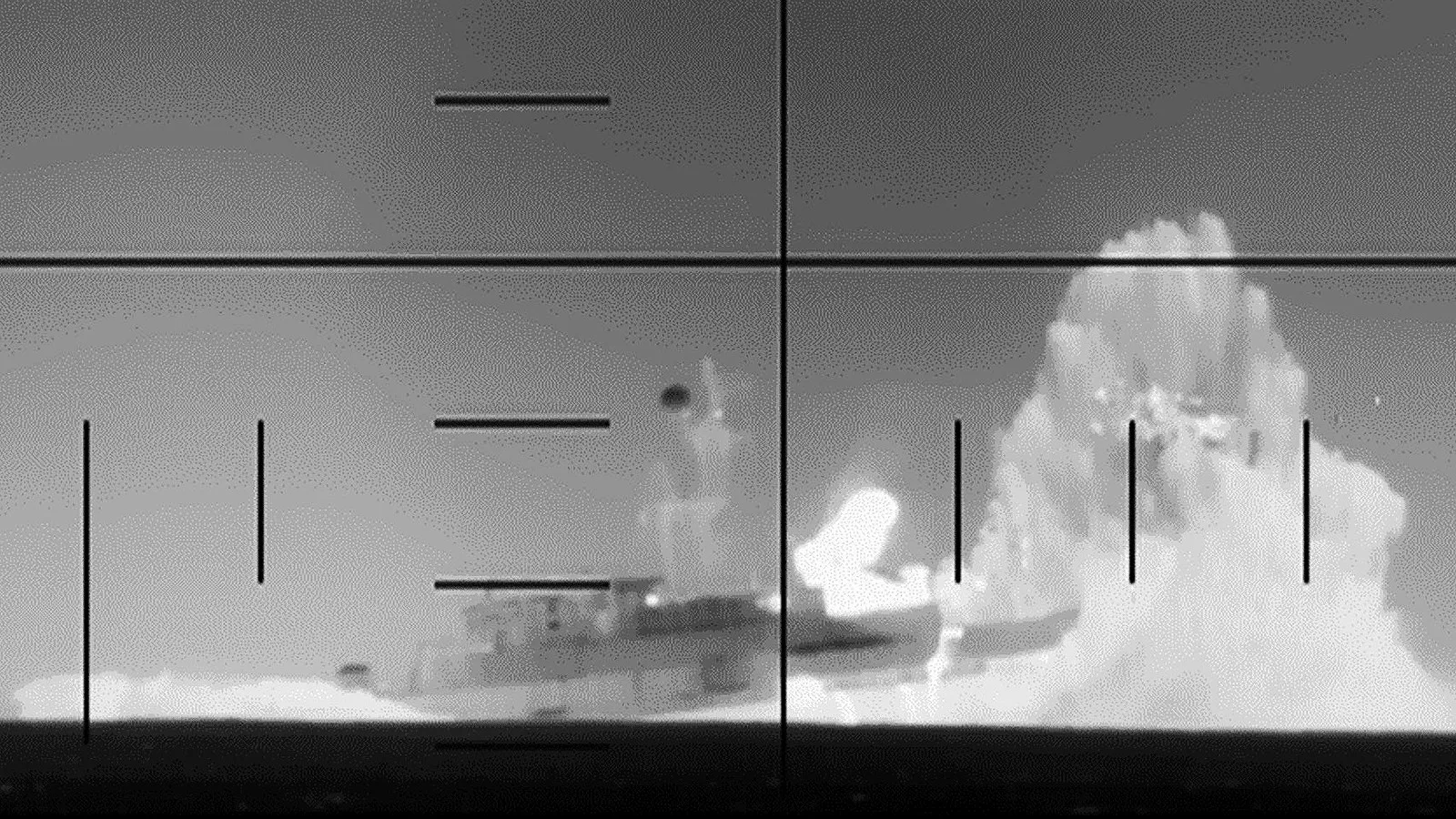
This specific model uses an advanced sonar system to "see" underwater, while it can be guided via cable from the submarine or left entirely autonomous to find its victim. Its speed, which reaches 40 knots, makes any escape attempt practically impossible, as the torpedo creates an underwater explosion exactly beneath the ship's keel, using water pressure to shatter the vessel's frame.
The precision and power of this particular torpedo left no room for reaction from the Iranian side. The Mark-48 hit the ship below the waterline, a tactic designed to "break" the ship's keel in the middle. The IRIS Dena, despite its heavy armament including Qader and Sayad-2 missiles as well as advanced Asr 3D radar, had no hope. The sinking was so instantaneous that when rescue teams arrived, there was no trace of the vessel on the surface; the ship had literally been cut in two and dragged to the bottom within minutes, leaving behind only debris and bodies.
How a submarine at periscope depth defeated the frigate
The sinking of the frigate Dena constitutes an unprecedented event for modern naval history, radically changing the map of naval conflicts in the 21st century; however, the questions raised regarding the crew's actions are nightmarish. Despite the fact that the frigate possessed sophisticated anti-submarine capabilities and carried a specialized anti-submarine helicopter, the US submarine managed to execute the attack from periscope depth. The failure of the Iranian crew to detect and neutralize the threat before the fatal blow remains an unanswered and dark point of the operation.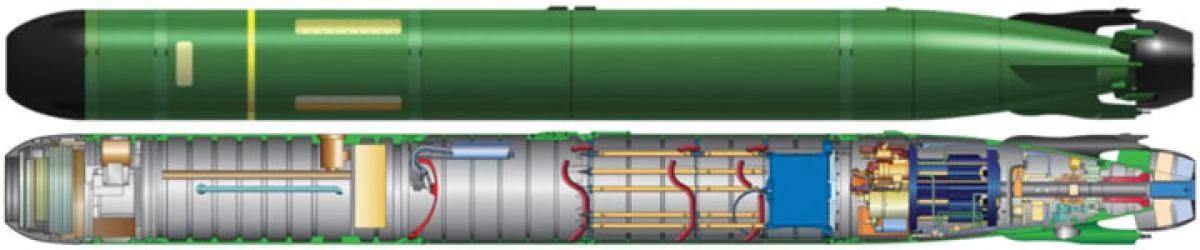
The role of India
The incident is causing a political earthquake in New Delhi, as the IRIS Dena had visited India just days before the attack for the international naval inspection. The government of Narendra Modi finds itself in an extremely difficult position, trying to balance between strategic relations with Washington and historical ties with Tehran. Meanwhile, a storm broke out with allegations from US networks such as OAN, claiming that the US is using Indian ports to launch attacks against Iran. The Indian Foreign Ministry rushed to categorically deny these claims as "fabricated lies," fearing domestic outcry and the complete destabilization of relations in the region.
The list of destroyed ships and the threat in the Straits of Hormuz
The losses for the Iranian Navy are biblical, as according to the US military, the Dena was not the only victim. The list of destruction includes the Shahed Bagheri, the frigate Jamaran, as well as the largest ship in the Iranian fleet, the IRINS Makran. Furthermore, the Shahed Soleimani and several other vessels have been sunk, causing paralysis to the Iranian forces. Despite the blow, the Revolutionary Guard Navy still maintains a large number of fast attack craft and armed drones, which could be used for mass attacks in the Strait of Hormuz.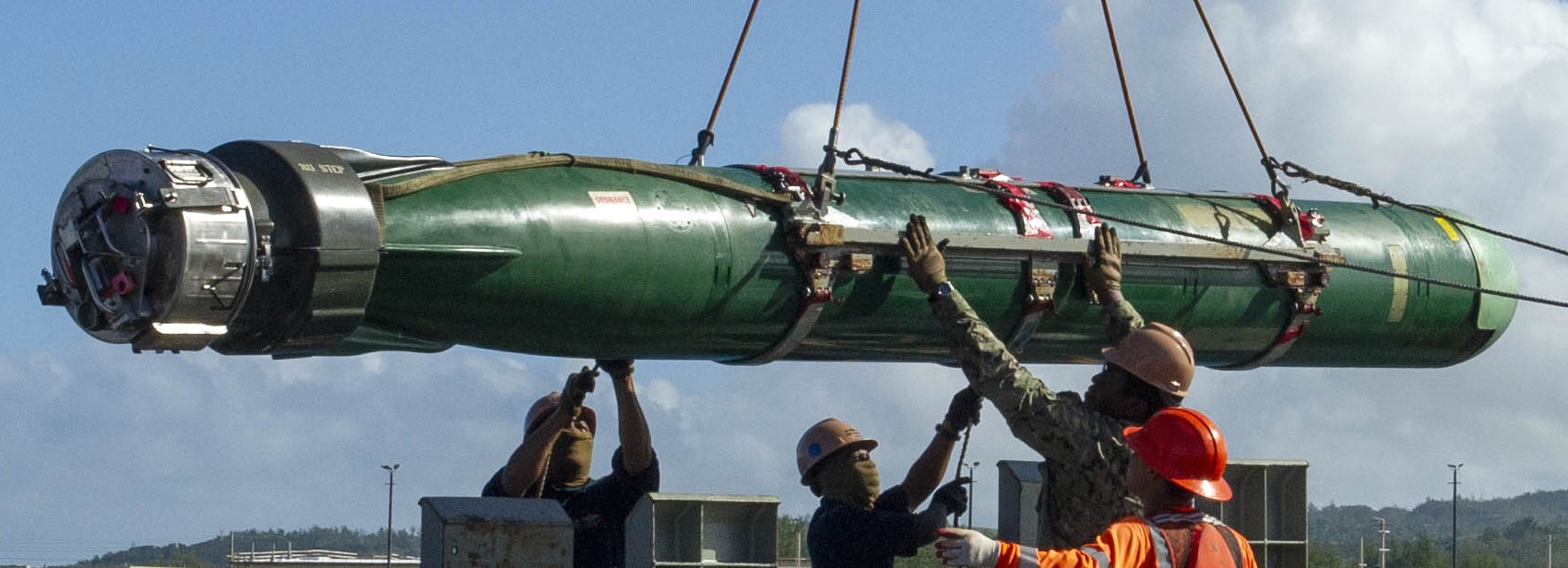
Navigation in the Strait of Hormuz has practically been decimated due to the terror prevailing among shipowners regarding Iranian movements and the possibility of retaliation from the Revolutionary Guard speedboats and drones. Although Trump had previously promised to provide security to commercial ships in exchange for a fee for transit through the strait, so far no one seems willing to risk such a route. The international economy is on a tightrope, as the disappearance of traffic from the strait threatens to skyrocket energy prices. Tehran, though wounded by the loss of its large frigates, remains a deadly threat at the "throat" of global trade, using asymmetric tactics that can cause chaos at any moment.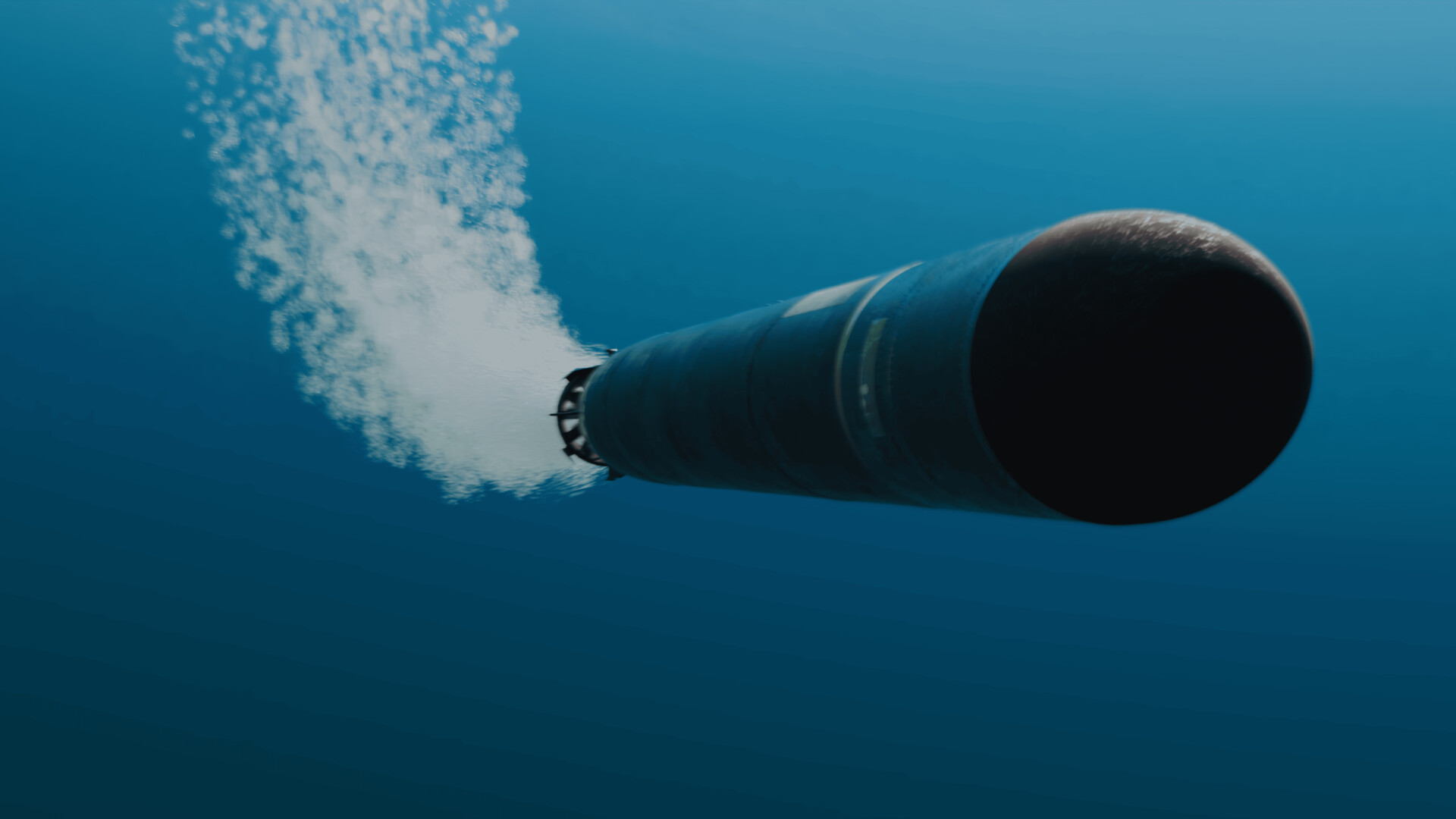
www.bankingnews.gr













Readers’ Comments