The global financial system is repricing geopolitical risk in real time.
The artery of the global economy, the Strait of Hormuz, has been sealed.
The most powerful warship ever built, the USS Gerald R. Ford, has “cast its nets” in the Eastern Mediterranean.
A major capital of the Middle East has been hit by drone attacks.
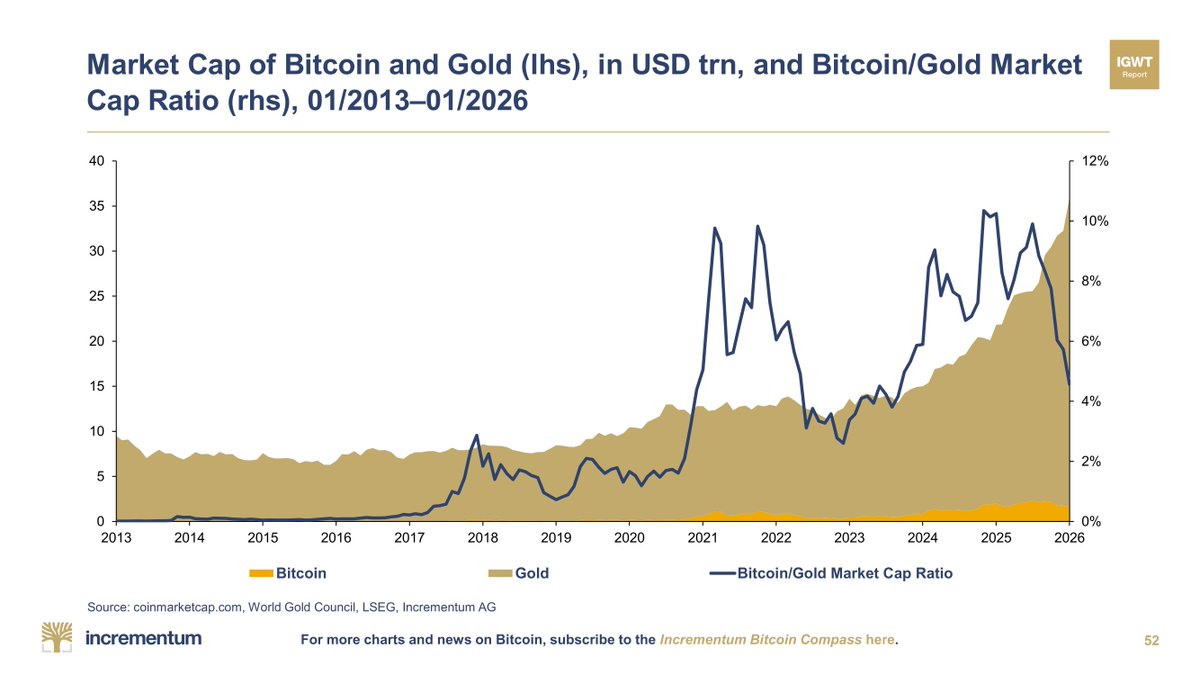
And the price of gold has surged above 5,500 dollars per ounce in after-hours trading.
These are not tabletop exercises.
This is a seismic shift, and it is happening now.
Risks are rising sharply!
This is not a forecast, it is a chronicle of events that have already occurred.
Let us take a sober assessment of a world rapidly transitioning from a unipolar, dollar-centric system to a multipolar reality anchored in commodities.
The events of the last 48 hours did not cause this shift, they merely accelerated it.

A new geopolitical rivalry erupts
For those watching closely, this is the moment when the long-term trends we have been recording, de-dollarization, the weaponization of the financial system and the return of great power competition, erupt with violent intensity.
We must be aware:
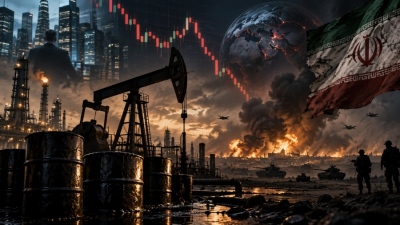
Direct military confrontation, the United States and Israel carried out joint strikes against Iran, targeting the country’s top leadership.
Iran responded with drone and missile attacks on the UAE, Kuwait, Bahrain, Qatar and Jordan.
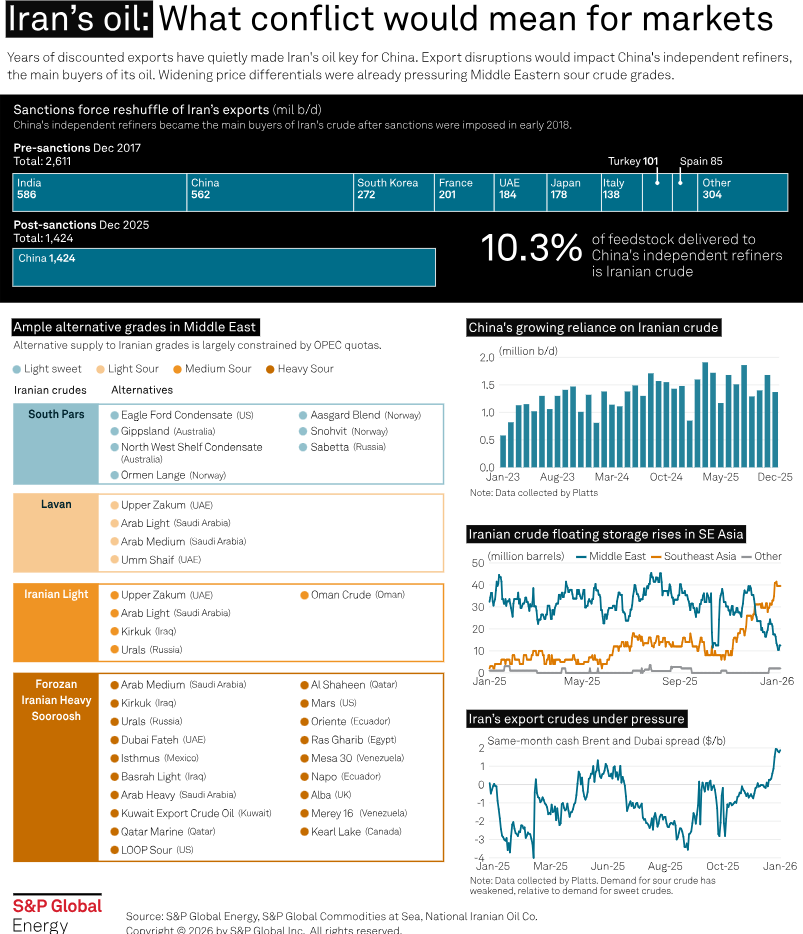
Iran closes the Strait of Hormuz, Iran announced the closure of the world’s most important energy sea passage, through which 20% of global oil and 15% of LNG pass daily.
Brent has already reached 120 dollars per barrel, with forecasting models indicating a potential surge to 200.
Gold surges to 5,560 dollars per ounce, in the Chinese “shadow market,” physical gold priced in yuan reached 1226.41 per gram, corresponding to 5,560.57 dollars per ounce.
PAX Gold, a tokenized digital gold asset, jumped above 5,400 dollars.
This is the immediate, unfiltered verdict of the market on the value of unencumbered physical metal in a time of crisis.
The end of “risk-free” assets, as the conflict escalates, the traditional flight to safety into American bonds and the dollar is being questioned.
The weaponization of the dollar has accelerated the shift of central banks and sovereign wealth funds toward neutral, physical assets such as gold.
The institutional trend or FOMO (Fear of Missing Out) is here, after years of underinvestment in commodities, institutional investors are now forced to chase returns in a sector demonstrating explosive momentum.
The 1%-2% allocation to gold is about to be reconsidered in every boardroom on Wall Street.
This is the moment of truth.

The collapse of dominant narratives
The carefully constructed narratives of transitory inflation, manageable geopolitical risk and enduring supremacy of the U.S. dollar are collapsing in the face of the harsh realities of war, resource scarcity and a multipolar world.
The analysis that follows will break down the key events, their implications for markets and why this is only the beginning of a historic repricing of gold, silver, energy and the companies that produce them.
Let us delve into the following:
The artery of the world, the Strait of Hormuz, is sealed.
The announcement by Iran’s Islamic Revolutionary Guard Corps (IRGC) that the Strait of Hormuz is closed to all maritime traffic constitutes the most significant geopolitical event since the invasion of Ukraine.
Because this is a direct challenge to the freedom of navigation that underpinned global trade for decades and strikes at the heart of the global energy system!
A regional war has begun and no one knows how long it will last or who else may become involved.
It is clear that the closure of the Strait does not occur in a vacuum.
It is the direct result of the dramatic escalation in the long-standing conflict between Iran and the United States/Israel.
The market response and the surge in derivatives
28 February 2026

The markets have spoken
The world awaits news of their fate.
Iran has of course responded and the war is now clearly in an escalation phase.
Risk is rising sharply, with the most powerful military assets in the world positioned for full-scale conflict.
The market’s verdict has been delivered, as gold surges to 5,560 dollars.
In the face of this unprecedented geopolitical crisis, global financial markets delivered a clear and unmistakable response.
While derivatives markets in New York and London were closed, physical markets in Asia were open, and they spoke.
In the Chinese “dark market,” a network of traders and individuals trading physical gold outside official exchanges, the price of gold in yuan surged to 1226.41 yuan per gram. At the current exchange rate, this corresponds to 5,560.57 dollars per ounce.
Because it is clear that the 1%-2% allocation maintained for decades by institutional investors is no longer sufficient in a world of open conflict and systemic financial risk. Everyone should take note immediately!
And the major revaluation of “hard” assets has already begun.
The events of the last 24 hours constitute a turning point.
The world has changed and financial markets are only just beginning to realize it.
The surge in the price of gold above 5,500 dollars per ounce is not an anomaly but a harbinger of what is to come.
We are now firmly in the phase of a historic repricing of gold, silver, energy and the companies that produce them, as the combination of extreme geopolitical risk, an impending energy crisis and a crisis of confidence in fiat currencies has created the perfect storm for “hard” assets.
And they are likely to rise further and faster than most believe!

www.bankingnews.gr





Readers’ Comments