

The Pakistani air raids on Kabul and Kandahar in Afghanistan within a span of 24 hours do not constitute an unprecedented event.
Islamabad has repeatedly struck targets inside Afghanistan since the return of the Taliban to power in 2021.
However, this time the military move was accompanied by rhetoric that dramatically changed the climate: Pakistani officials spoke openly of “open war”.
This phrasing generated international headlines, but in reality it falls within a controlled escalation.
It is a strategic display of resolve, designed to send a message of strength without crossing the point of no return.
The difference between “full scale war” and “managed conflict” is critical to understanding the dynamic unfolding today on the Pakistan–Afghanistan border.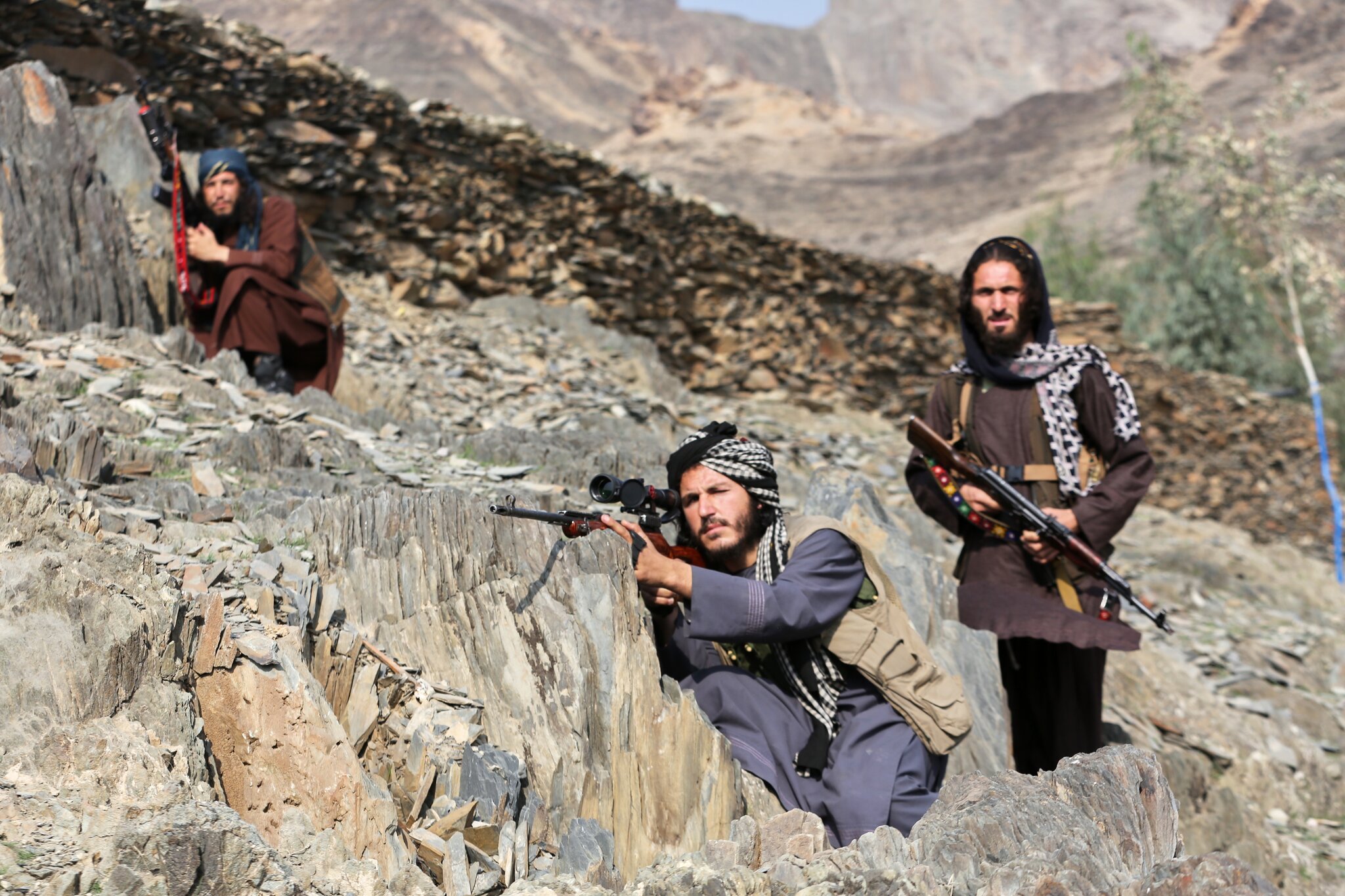
The root of the conflict: Tehrik-e-Taliban Pakistan
The main reason behind the Pakistani raids is the activity of the Tehrik-e-Taliban Pakistan (TTP), also known as the “Pakistani Taliban”.
This organization has for years waged a bloody campaign against Pakistani security forces.
The levels of losses suffered by the Pakistani army and police are compared, according to some estimates, to those suffered by the United States at the peak of its military presence in Afghanistan.
Islamabad accuses the Afghan Taliban leadership of allowing the TTP to operate from Afghan territory.
The Afghan authorities officially deny that they provide support, but the ties between the two movements, ideological, tribal and historical, are deep.
The critical problem for Pakistan is that the TTP already operates within Pakistani borders.
Even if the air raids strike infrastructure or training centers in Afghanistan, the organization’s ability to carry out attacks inside Pakistan remains essentially intact.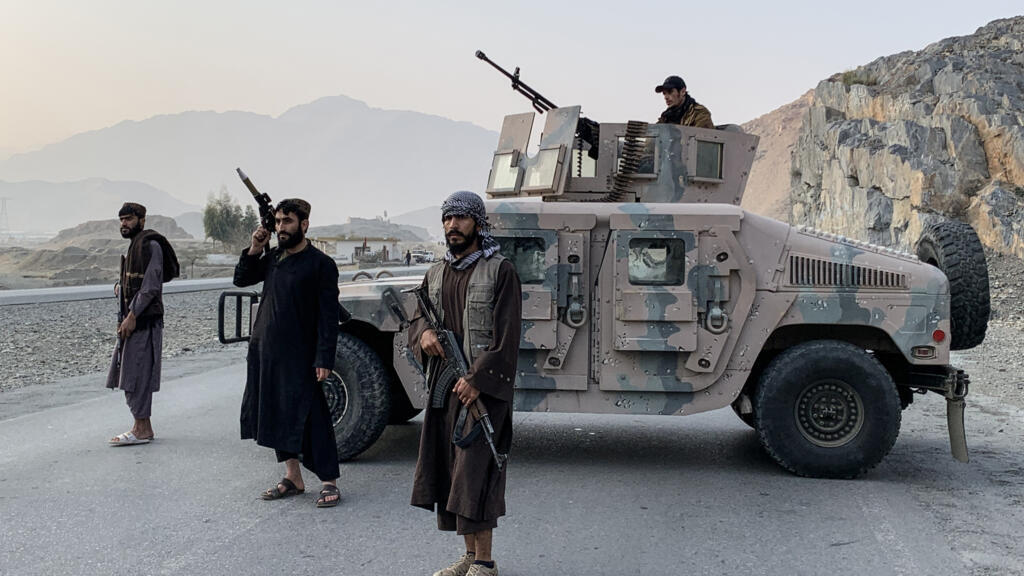
Why the rhetoric of “open war”?
The use of the term “open war” is not accidental.
It constitutes a tool of domestic and foreign policy.
Internally, the Pakistani leadership must show that it does not tolerate attacks without retaliation.
Public opinion demands a response.
The army, which remains the most powerful institution in the country, needs to maintain the image of resolve.
Externally, the rhetoric functions as a message to Kabul: Pakistan is willing to raise the cost for the Afghan leadership.
However, there are no indications that Islamabad seeks an all out confrontation. A full scale war would absorb enormous military resources without resolving the core of the problem.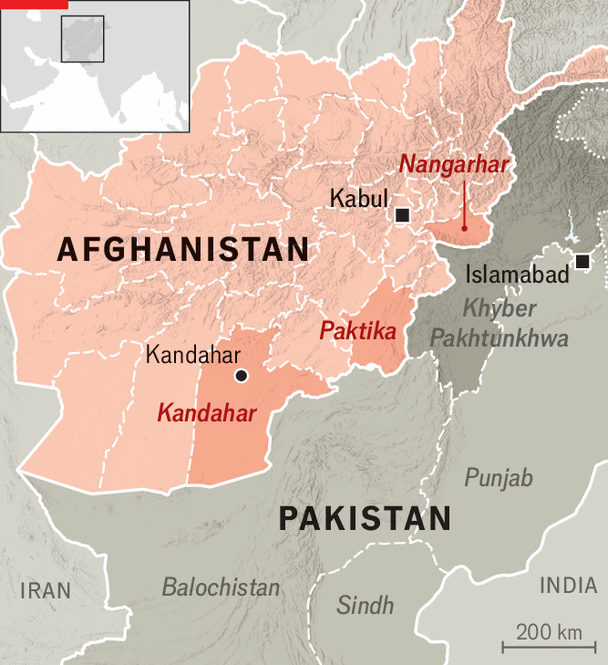
The Taliban dilemma
For the Taliban, even limited raids create a serious political problem.
Their legitimacy is based on two main pillars: the restoration of national sovereignty and resistance to foreign interventions.
Anti Pakistani sentiment is deep in Afghan society. Afghan public opinion often considers Pakistan as a power that interferes in the country’s internal affairs.
If the Taliban appear to retreat under pressure, they risk losing the narrative of the “victorious Islamic movement” that expelled foreign forces and restored the independence of Afghanistan.
At the center of the leadership stands the Supreme Leader, Emir Hibatullah Akhundzada, based in Kandahar.
His inner circle believes that preserving the fundamental principles of the movement outweighs any tactical benefit.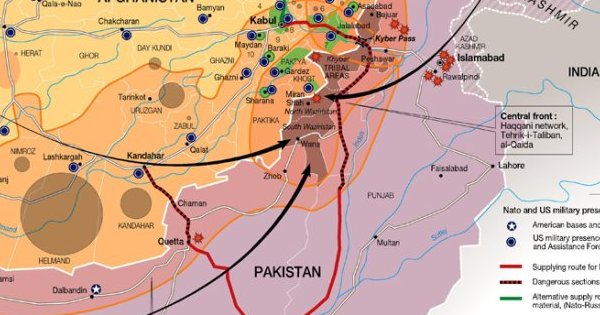
The refusal to abandon the TTP
Pakistan’s demand is clear: the Taliban must sever ties with the TTP.
However, for the Afghan leadership, such a move would not be considered merely a political compromise.
It would be perceived as a betrayal of the movement’s jihadist credentials and as a violation of Pashtunwali, the traditional tribal code of honor that emphasizes loyalty and hospitality.
Loyalty and the protection of “guests” are fundamental values in the cultural system of the Pashtuns.
Abandoning the TTP would undermine the internal cohesion of the Taliban.
More pragmatic officials in Kabul may recognize the risk of escalation, but they do not possess the power to substantially challenge the Emir.
Thus, Pakistan demands precisely what the Taliban are institutionally and ideologically incapable of offering.
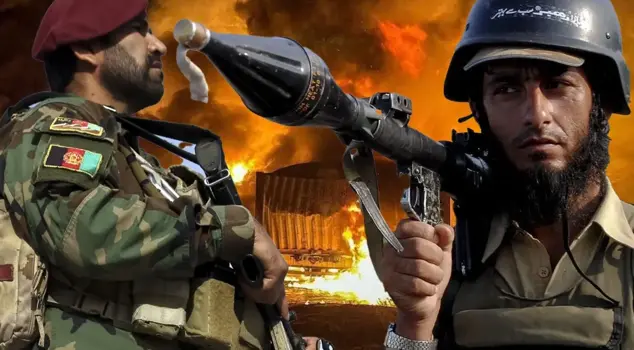
A vicious cycle of controlled escalation
The most likely scenario is not an all out war, but a prolonged cycle of escalating clashes and mediation.
Short bursts of violence will be followed by diplomatic initiatives.
Already, Pakistan has dispatched successive envoys, official and unofficial, to engage in dialogue with the Afghan leadership.
Among them are Fazlur Rehman, an Islamist politician with long standing connections in Afghanistan’s religious networks, as well as Mufti Taqi Usmani, a prominent Islamic scholar. The involvement of religious figures suggests an attempt to frame compromise in religious terms rather than exclusively political ones.
This tactic recognizes that the problem is not only military, but also ideological.
The absence of Washington
The administration of Donald Trump and more broadly the American security establishment appear to treat the crisis as primarily a Pakistani issue.
With limited willingness to re engage in Afghanistan and minimal influence over the Taliban, the United States is unlikely to play a decisive role.
Pakistan is confronted with a regime whose empowerment it itself helped facilitate during the war against the international presence in Afghanistan.
The irony is evident: the strategy of supporting the Taliban in the past has created a neighboring regime that today defies Pakistani demands.
Strategic deadlock
Pakistan cannot indefinitely tolerate the TTP’s attacks. At the same time, it cannot sustain a prolonged war with Afghanistan. The Taliban do not desire an all out confrontation, but they cannot abandon the TTP without fracturing their ideological cohesion.
The result is a strategic deadlock.
This situation entails serious risks:
1) Continuous destabilization of the border zone
2) Strengthening of extremist elements
3) Economic burden for both countries
4) Possibility of unintended escalation due to miscalculation.
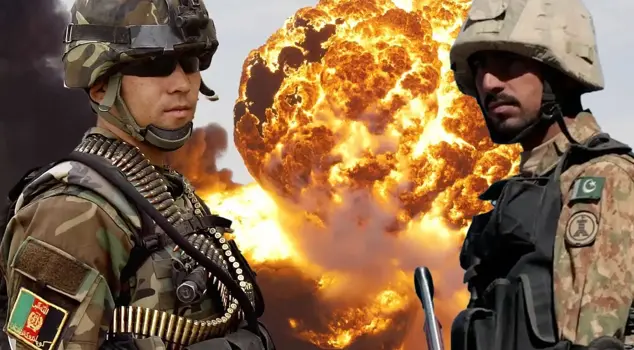
A fragile balance, “Into the abyss and hell together”
The conflict between Pakistan and Afghanistan is not a simple cross border confrontation.
It is the clash of two interconnected movements, two states with deep historical and tribal interconnections and conflicting perceptions of security and legitimacy.
The rhetoric of “open war” constitutes more a tool of pressure than a harbinger of immediate generalized conflict.
However, the continuous controlled escalation carries the risk of an accident or miscalculation that could trigger an uncontrolled conflict.
Pakistan is confronted with a reality that it itself helped shape.
The Taliban, for their part, are trapped between ideological consistency and geopolitical survival.
This fragile balance can only be maintained through continuous mediation and limited military action.
But as long as Pakistan’s core demand, the severing of ties with the TTP, remains non negotiable for the Afghan leadership, the cycle of violence will be difficult to break.
And in a region where conflicts rarely remain local, this development concerns not only two neighboring states, but the entire stability of South Asia.
Experienced geopolitical analysts with deep knowledge of Asian affairs characteristically say: The Afghanistan–Pakistan war is the abyss and hell together.
www.bankingnews.gr



Readers’ Comments