

The Middle East is entering a new and particularly dangerous phase, with Iran demonstrating striking originality in its retaliation against US and Israel strikes.
The massive missile attack by Iran on 11 US bases in the wider region, with approximately 200 dead and wounded, and on significant installations in Israel, changed the rules of the game.
The fact that the attacks affected six countries simultaneously, even triggering the evacuation of the Burj Khalifa in Dubai, highlights the depth and scale of Iran’s strategy.
Tehran’s main objectives are not limited to an immediate military response, it is a complex game of economic and political pressure aimed at undermining the stability of the American presence in the Persian Gulf.
Meanwhile, Iran’s Supreme Leader Ali Khamenei is expected to deliver an address, responding to Western and Israel speculation that contact with him has been lost.
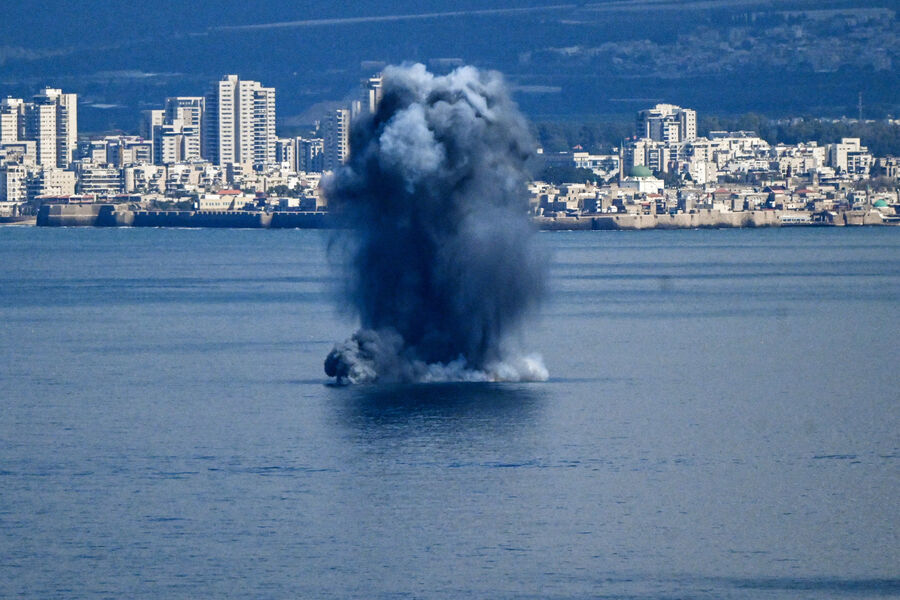
Targets of the missile attacks
1) Al-Udeid Air Base
2) Al-Salem Air Base
3) The US Fifth Fleet base in Bahrain
4) Al-Dhafra Air Base
5) Multiple bases in Saudi Arabia (Prince Salman, Tabuqa, Hamis Mushit, Western Jeddah)
6) Muffack Salti Base
7) Bases in Iraq: Al-Harir and Ayn al-Assad
The escalation was both strategic and psychological.
Iran wanted to show that the American presence in the neighborhood is no longer safe, neither for the host countries of the bases themselves nor for American soldiers.
Sources from Bahrain even report casualties among the personnel of the Fifth Fleet.
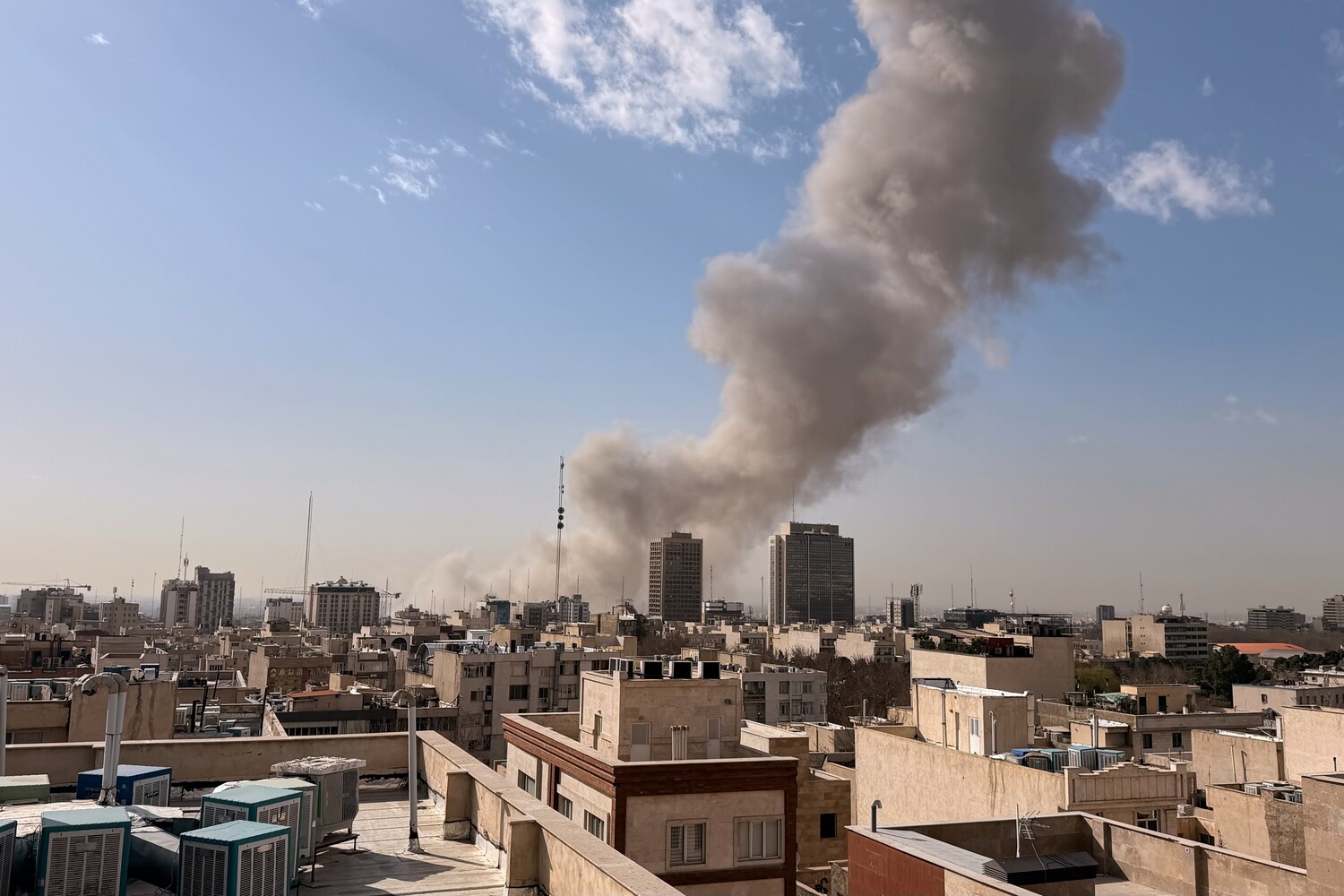
More than 200 dead and wounded from Iranian strikes
At least 200 people have reportedly been killed or injured as a result of Tehran’s missile attacks against US military bases in countries of the Middle East, as reported by RIA Novosti, citing the Iranian news agency Tasnim.
According to an official statement by the Islamic Revolutionary Guard Corps (IRGC), at least 200 American servicemen were killed or injured in the strikes on American bases.
In addition, the IRGC claimed that some American and Israeli missiles launched against Iran fell in desert and urban areas of Iraq and other Persian Gulf states, failing to hit their targets.
It is worth noting that in an address, the American president had warned the US of possible casualties.
Iranian missile hits NATO base in Kuwait hosting over 300 Italian soldiers
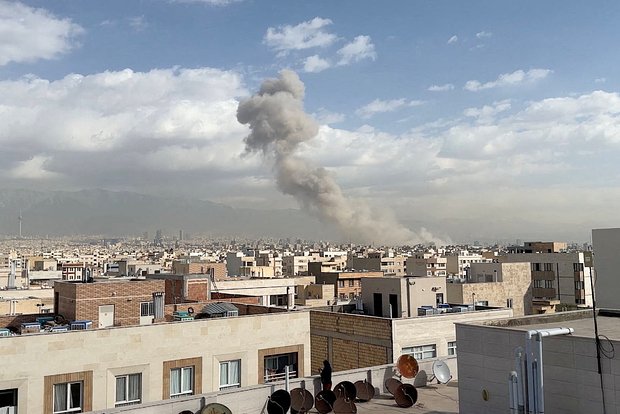
The latest reports state that an Iranian missile struck a NATO military base in Kuwait, where Italian soldiers were stationed, causing “significant damage,” as reported by the British newspaper The Guardian, citing AFP.
An Iranian missile hit a NATO base in Kuwait with over 300 Italian soldiers An Iranian missile hit a NATO base in Kuwait with over 300 Italian soldiers
The Italian Foreign Minister, Antonio Tajani, confirmed that approximately 300 Italian soldiers were at the base and that all are safe.
According to other sources, one of the missiles also struck a NATO facility in Kuwait, causing significant damage.
Khamenei address imminent
Meanwhile, in response to intense Western and Israel speculation about the loss of contact with Iran’s Supreme Leader Ali Khamenei, he is expected to deliver an address to the nation in the aftermath of the fierce attacks launched by the US and Israel against the country.
The announcement of the Iranian leader’s speech was made known through Iranian media outlets.
According to information reported by Fox News, citing sources, the parliament building and the official residence of Ali Khamenei were primary targets of the air raids.
In addition, Israel reportedly struck the area where the Supreme Leader resides, leveling the official residence.
Despite the intensity of the attacks, sources of Reuters report that Ali Khamenei is not in Tehran, but has been moved in time to a secure location for his protection.
The forthcoming address is awaited with enormous interest, as it is considered that it will determine the further stance of the Islamic Republic and the scale of retaliation against the “unprovoked aggression.”
The strategy of economic and political pressure
Tehran appears to calculate that attacks on infrastructure and the suspension of air traffic will frighten investors and tourists, vital sources of revenue for many Gulf states.
The threat to civilian lives, particularly in cities near the bases such as Bahrain, increases pressure on regimes to demand that the United States limit the war or withdraw.
If the conflict drags on and oil prices soar even higher, Washington’s allies may simply close their bases, leaving the Americans exposed.
Moreover, the excessive strengthening of Israel causes resentment among Arabs and fuels unrest in Gaza and the West Bank, with the “Arab street” watching developments with anger.
In other words, Iran’s strategy is to make the cost of the American presence in the Gulf “unacceptable” for allied countries, creating a combination of economic, political and social pressure that may limit American escalation.
Economic pressure through the intimidation of investors and tourists adds another factor.
The strategy appears to aim at making the cost of the American presence in the Gulf “unacceptable” for Washington’s allies.
At the same time, attacks on Israel focused on Ashkelon, Jerusalem, Tel Aviv and Haifa, while there were reports of possible damage to the aircraft carrier USS Abraham Lincoln, without confirmation.
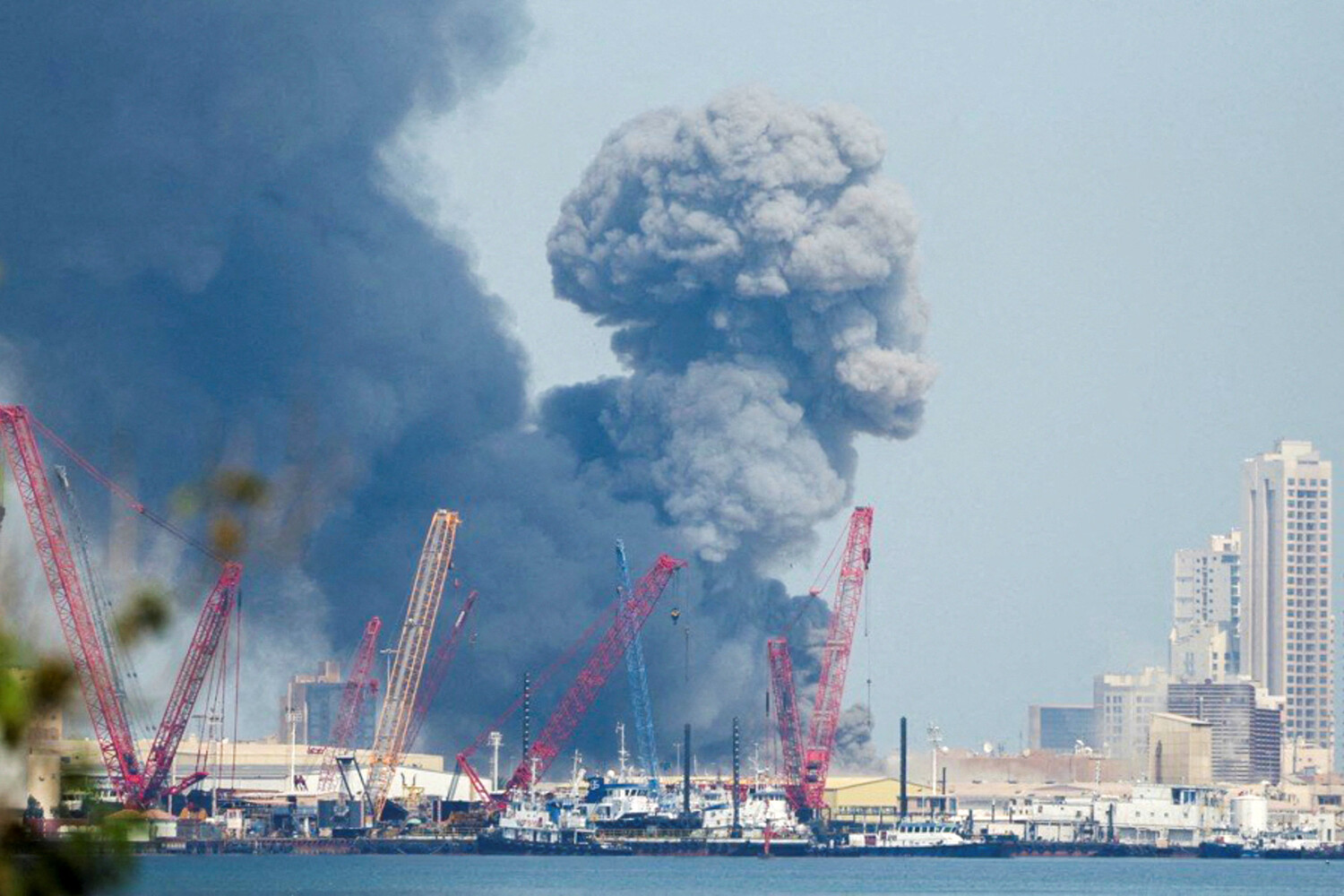
Inside Iran, targets included military installations and centers for the production of UAVs and missiles, the nuclear facility in Natanz, the Hatami air base and the military industrial complex Parchin. Several government buildings in Tehran were hit, while reports of deaths in the leadership of the IRGC remain unconfirmed.
The hard voice of diplomacy from Abbas Araghchi
The Iranian Foreign Minister Abbas Araghchi issued a harsh message on social media, denouncing that: “The war of Netanyahu and Trump against Iran is completely unjustified, illegal and irregular. Trump turned ‘America First’ into ‘Israel First’, which always means ‘America Last’.”
He further stressed that: “Our powerful armed forces are ready for this day and will teach the aggressors the lesson they deserve.”
The reference to Trump’s tweet in 2012, where he predicted an attack against Iran for political expediency, reinforces the argument that the US often acts with political motives rather than objective security strategy.
Cyberattacks and psychological warfare
Alongside the physical attacks, Iran’s National Cybersecurity Authority reported that the country faced cyberattacks aimed at disrupting daily life and the psychological security of citizens.
This underscores the multidimensional nature of the conflict, military attacks, economic pressure, risks to civilians and cyber warfare are combined in a strategy of “total power.”
US rhetoric and the “internal overthrow” operation
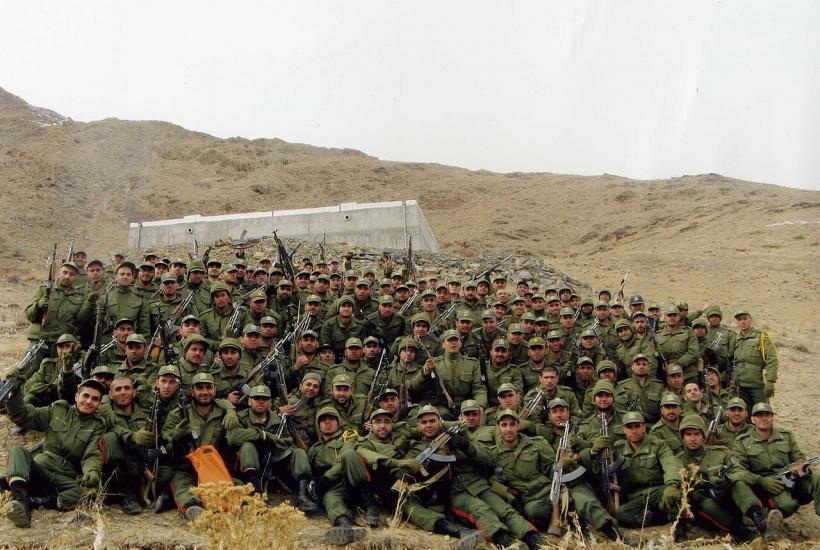
The President of the United States, Donald Trump, called on Iranian citizens to overthrow the regime, stating: “When we finish, take our government. It will be yours.”
He also proposed to Iranian security forces and the Revolutionary Guards (IRGC) to lay down their arms with the promise of full amnesty, otherwise threatening “immediate death.”
Washington’s strategy is based on the calculation of an internal uprising movement to avoid direct invasion or strikes on populated areas.
However, the reality is that such a scenario is extremely precarious and unpredictable, given Iran’s strong military organization and the experience of the IRGC.
The Middle East in a new phase
The latest Iranian attacks are changing the balances in the Middle East.
Tehran’s strategy shows that war is not only a matter of military strikes, but a combination of political, economic and psychological pressure.
The United States and Israel are called upon to confront not only the immediate danger to military installations, but also the political, economic and social impact of the attacks.
In the Persian Gulf, the management of strategic power and the prevention of unrest in host countries of the bases acquire unprecedented importance.
This escalation is not a local phenomenon, it affects oil prices, the economic stability of Gulf states and the very American strategic presence in the region.
Tehran, with clear strategic planning, shows that it is ready to defend its interests, but also to trigger chain reactions that will make Washington’s allies reassess the cost of continued military presence.
www.bankingnews.gr






Readers’ Comments