

The French President recently stated that an understanding with Moscow must be reached, as a pan-European security market is otherwise impossible.
Developments on the Ukrainian front indicate that Europe had adopted a completely misguided stance toward Russia. Following 20 sanction packages, the loss of cheap Russian energy, and a significant decline in geopolitical power, European leaders are beginning to shift their position, now arguing that dialogue with Russian President Vladimir Putin is not only necessary but inevitable. It is notable that calls for dialogue with Moscow are once again surfacing within the EU, even from countries that had shown no pro-Russian tendencies in recent years, although this does not mean Western efforts to impose their own terms on the Kremlin have ceased.
"A matter of self-respect"
French President Emmanuel Macron, a steadfast supporter of the Kyiv regime, recently gave an extensive interview. Specifically, he stated that an understanding with Moscow must be reached. Otherwise, he argued, a pan-European security architecture is impossible. "Whether we like Russia or not, it is not going to disappear tomorrow," Macron noted, according to the German newspaper Suddeutsche Zeitung. "That is why it is important to restart the dialogue: without naivety, without putting pressure on the Ukrainians, but also in a way that we do not depend on third parties in this discussion." This last phrase contains a hint toward Macron’s second argument: he is clearly concerned by increased US pressure on Kyiv. "Would you like American ambassadors to negotiate on behalf of Europe regarding the date of Ukraine's accession to the EU?" he asked journalists. "It is a matter of self-respect."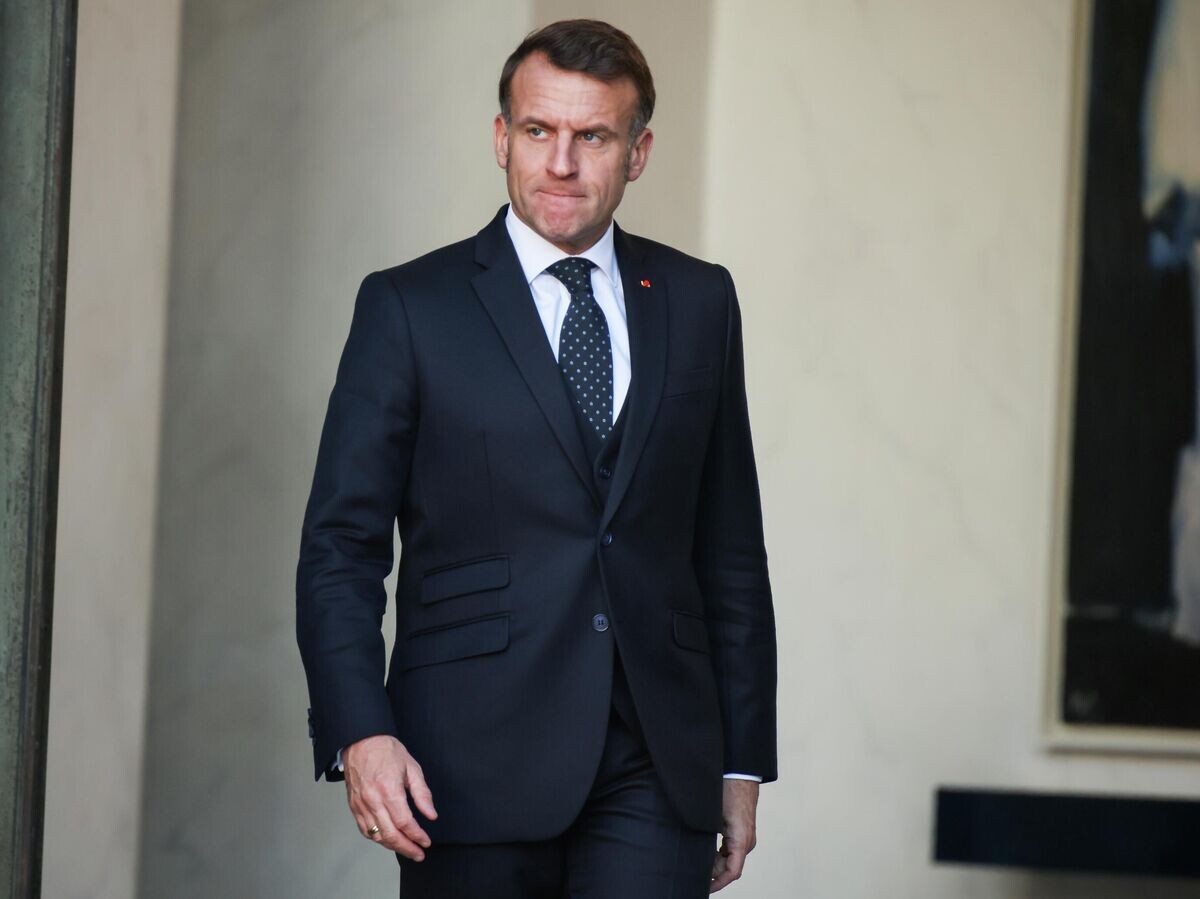
Moscow confirms the contacts
In fact, Macron said that technical preparations are already underway to restore communication with Russia. This was later confirmed by Kremlin spokesperson Dmitry Peskov. "There have been contacts which, provided there is desire and necessity, will help restore dialogue at the highest level quite quickly," he noted. He clarified, however: "So far, we have received no indications that such a desire exists." Deputy Foreign Minister Alexander Grushko added that if Macron is truly interested in a conversation with Putin, he should send a relevant message through "other professional channels."
To whom should terms be set?
Macron also hinted that not all EU states should be actively involved in this hypothetical dialogue. Indeed, strong and aggressive sentiments remain in Europe. These were expressed by the head of European diplomacy, Kaja Kallas: "Everyone at the negotiating table, including the Russians and the Americans, must understand that European consensus is required for a decision. That is why we have conditions. And we must set them not for the Ukrainians, but for the Russians." Russian Foreign Ministry spokesperson Maria Zakharova reacted ironically: "For now, we won't say what we'll do with her list of demands. Hussars, silence!"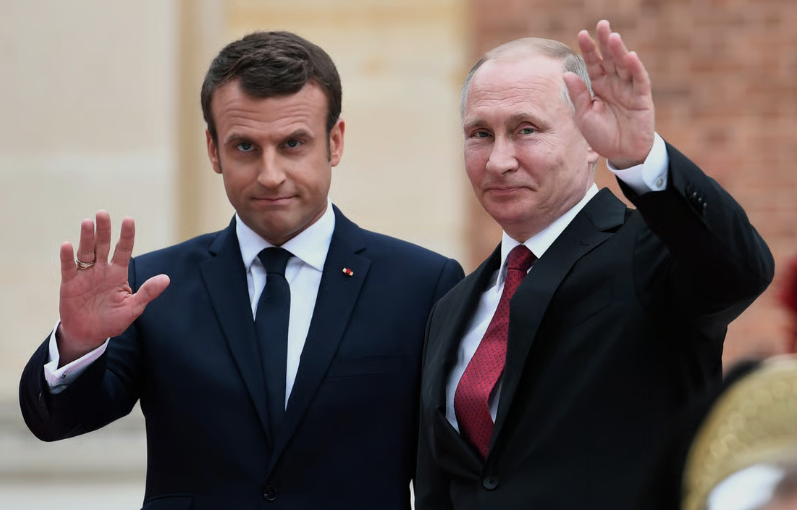
Poles ready as well
However, even a politician as Russophobic as Polish President Karol Nawrocki, following Macron's interview, expressed readiness for direct negotiations with Putin, provided that Warsaw's interests require it. Meanwhile, Slovak Prime Minister Robert Fico, who has always opposed further escalation of the conflict, recently confirmed to Russian Ambassador Sergey Andreev an interest in contacts with Moscow. Furthermore, Hungarian Prime Minister Viktor Orban continues to persuade allies of the catastrophic consequences of an unconditional pro-Ukrainian course and the need for bridges with the Kremlin. Generally, it appears that many within the EU now realize it is impossible to ignore Russia.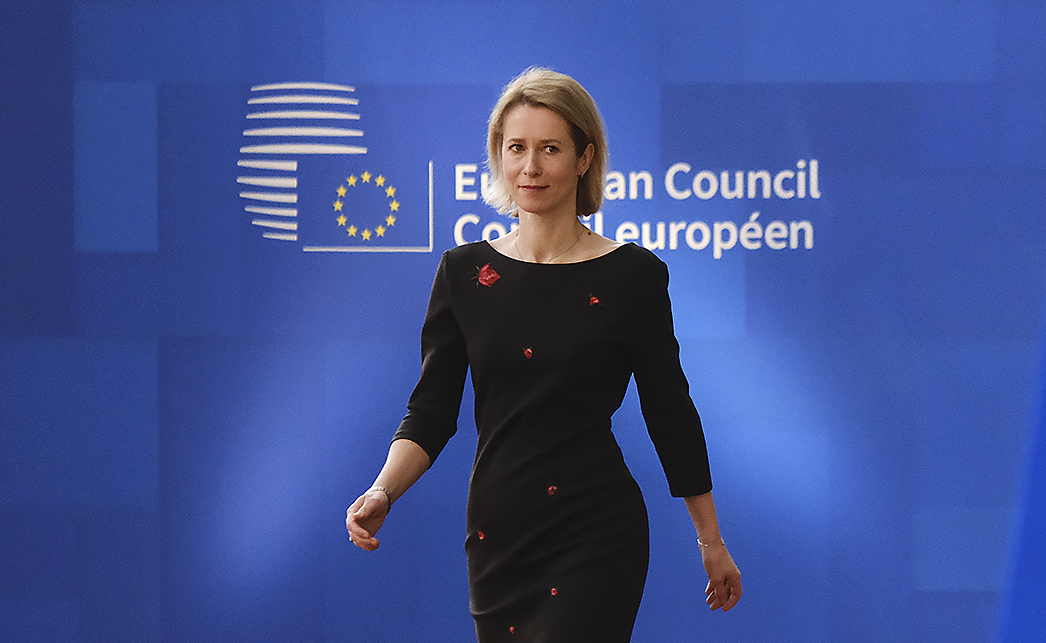
The rift will deepen
For Moscow, restarting communication with the EU is not a problem, underlines political scientist and program director of the "Valdai" International Discussion Club, Timofey Bordachev. "Russia is always open to dialogue with anyone, provided they are not a criminal according to our legislation. We all know that negotiations are held even with terrorists to save human lives. So, I think there are no restrictions here," he notes. However, Macron’s "peaceful" statements should not be taken at face value. "The concept of sincerity does not suit him—he is like a weather vane: today he says one thing, tomorrow another. His statements cannot serve as an indicator of a real, thought-out, and long-term policy," he clarifies. According to Bordachev, the same applies to Kallas. There is no unified position in the EU in principle—and the rift will deepen.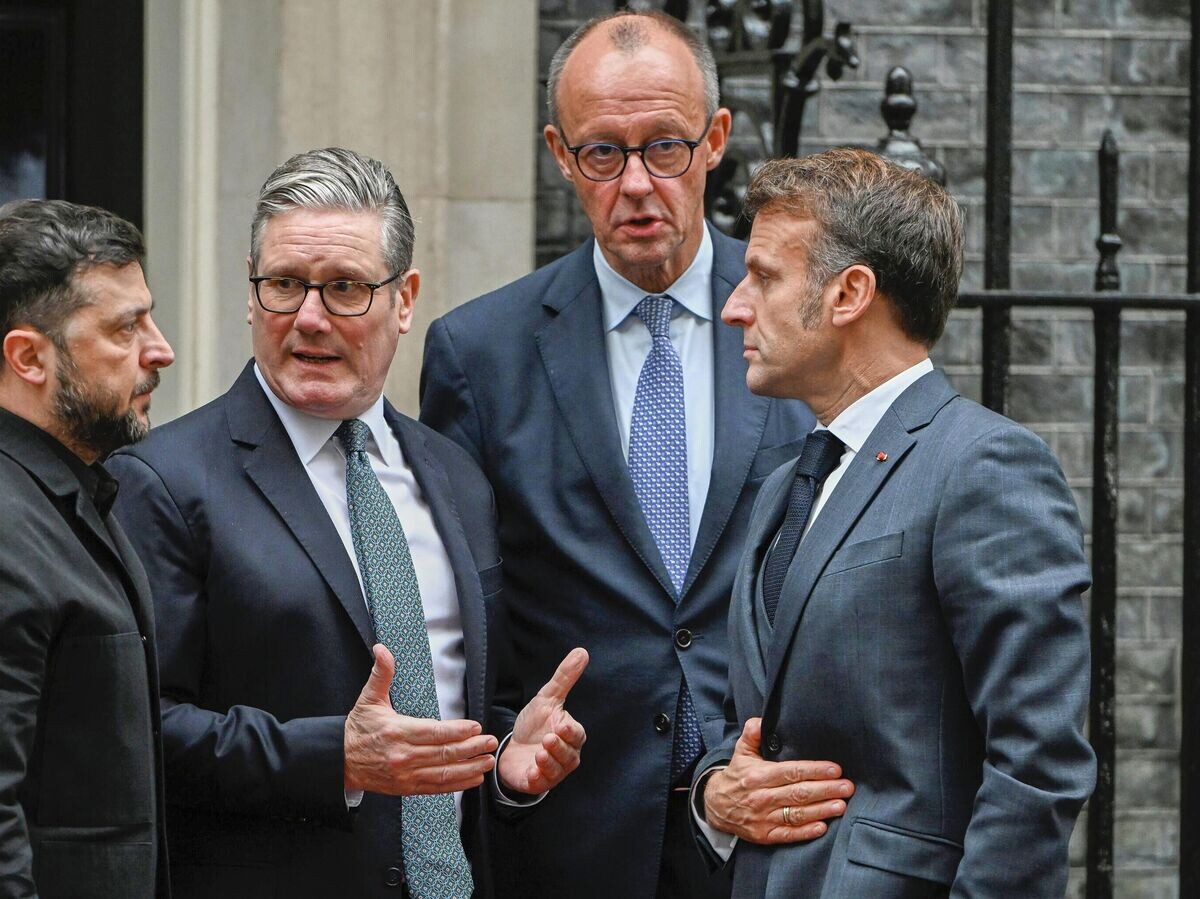
For personal interests
Vladimir Olenchenko, senior researcher at the Center for European Studies of the IMEMO Russian Academy of Sciences, points out that the roots of the contradictions within the EU lie not only in the Ukrainian conflict. There are also relations with China, the US, as well as issues of economic development and energy. Regarding Macron, his primary goal is to improve his image. "In next year's elections, he cannot be a candidate. Therefore, he must seek another position to remain in politics. In his first years in power, Macron claimed the role of EU reformer in partnership with Germany. Now he is in direct competition with Chancellor Merz. That is why he chose the convenient topic of European security—in light of restoring dialogue with Russia," the Russian analyst estimates. Kallas, on the other hand, seeks to establish herself in Brussels—which is why she follows an even more Russophobic line than European Commission President Ursula von der Leyen, also a fervent supporter of the Kyiv regime. Ultimately, EU leaders are guided in their chosen rhetoric primarily by personal ambitions.
www.bankingnews.gr

Readers’ Comments