

US targets include nuclear sites, missile programs, and Khamenei himself - Iran warns: All American bases are within missile range.
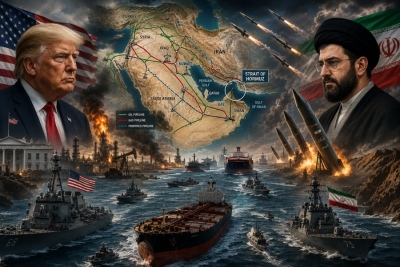
US President Donald Trump is reportedly one step away from "pushing the button" of catastrophe in the Middle East. The American military is awaiting a final presidential decision to launch an unprecedented strike against selected targets in Iran, which allegedly include the Supreme Leader, Ayatollah Ali Khamenei. While Trump has not yet decided if or when to strike, he remains open to a dialogue with Tehran, even as he threatens with the massive military force currently encircling the country.
This situation echoes the events of June 2025, when the US ultimately attacked Iran, striking three nuclear facilities. This time, however, Trump faces a difficult choice with immense risks and no guarantee of success. Meanwhile, the Iranians claim to be 200% ready for a total holy war, threatening thousands of American deaths, while simultaneously maintaining diplomatic channels with regional powers like Turkey.
Trump: It would be great if we didn't have to use the military
President Donald Trump stated that he still plans to speak with Iran, even as the US sends another warship to the Middle East and Pentagon chief Pete Hegseth confirms the military is ready to execute any presidential order. Trump did not provide details on the timing or nature of a potential dialogue. "I am planning it, yes," Trump said regarding talks. "We have many very large, very powerful ships sailing toward Iran right now, and it would be great if we didn't have to use them."
American officials say Trump is reviewing his options but has not decided on a strike. "They should not seek nuclear capabilities. We will be ready to deliver exactly what this president expects from the Department of War," Hegseth stated. Reports from US media suggest a decision is expected by January 31st, and if positive, the strike could be launched within 48 hours.
No decision has been made yet
Tensions have escalated to an extremely dangerous point. Initially, Trump's threats were linked to Iranian protests, but the focus has shifted toward securing a new deal regarding the Iranian nuclear program. Bilateral negotiations are currently at a deadlock, leading Washington to consider the military option as primary. On January 28th, Trump posted on Truth Social demanding a "fair and equal deal—no nuclear weapons." He warned of an attack "much worse" than last summer's strikes.
According to sources, the President is convinced his military capabilities have been strengthened compared to earlier this month due to the concentration of warships in the region.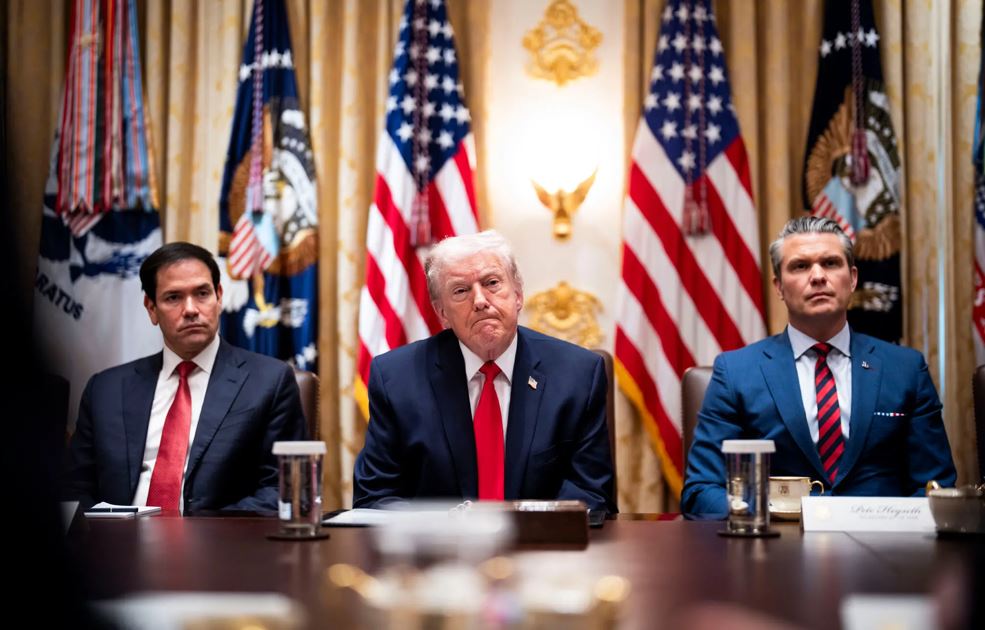
Nuclear weapons and missiles
Diplomatic activity continues through intermediaries in Oman. Reports suggest a face-to-face bilateral meeting was discussed but did not materialize. The White House reportedly demanded preliminary conditions, including a permanent halt to uranium enrichment and new restrictions on the ballistic missile program. The latter has become a more significant hurdle than the nuclear program itself, as the range of Iranian weapons causes grave concern to Israel. Tehran, however, wishes to discuss only the uranium issue.
Massive firepower
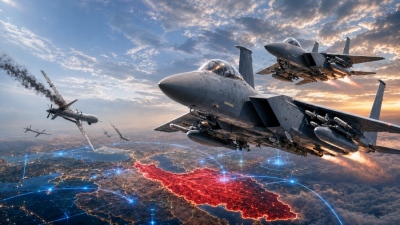
Beyond warships, the US is moving anti-aircraft systems, including additional Patriot batteries, to protect its forces from an Iranian response. Furthermore, the US Air Force is planning multi-day aerial exercises.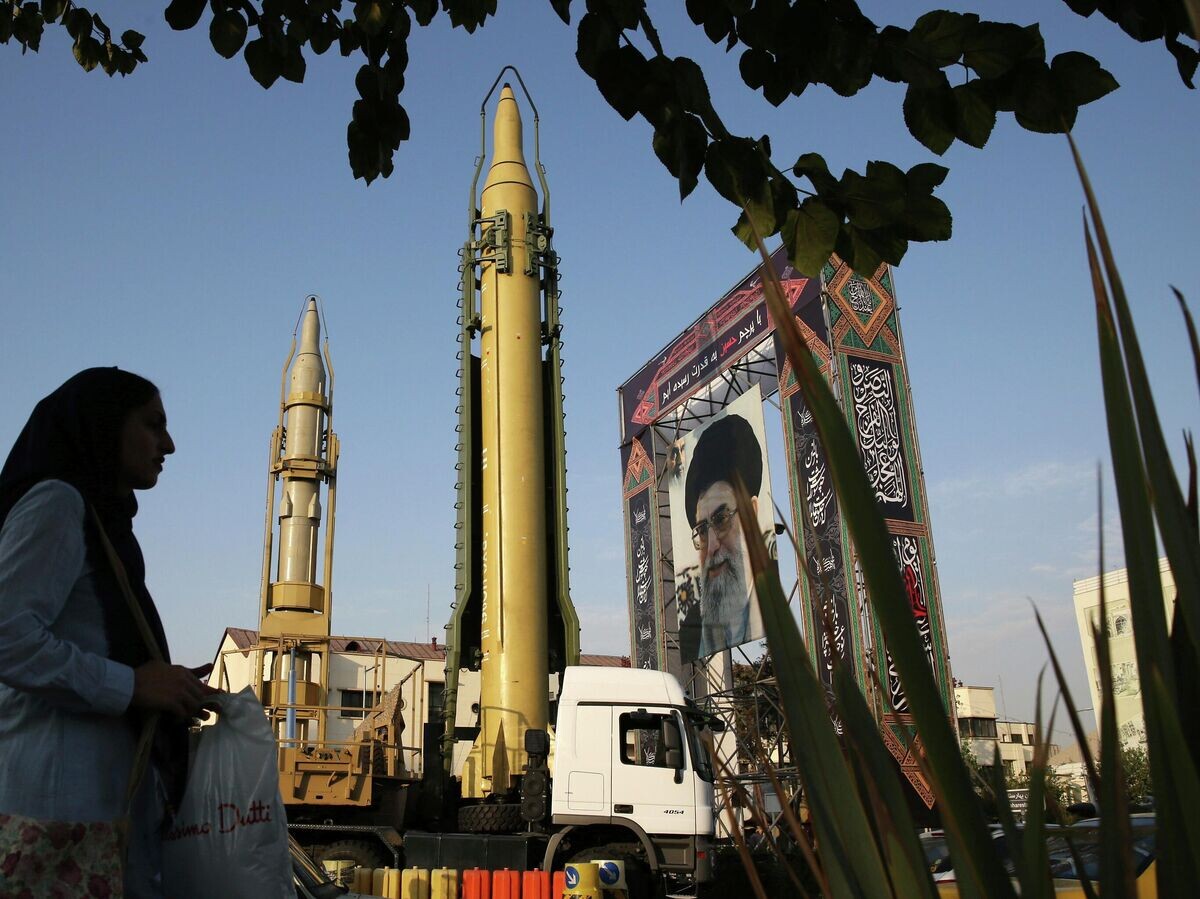
Iranians with their finger on the trigger
Iranian Foreign Minister Abbas Araghchi warned that his country is ready—"with its finger on the trigger"—to respond to any form of aggression in the air, at sea, or on land.
Regime change: Khamenei in the crosshairs
Adding fuel to the fire, Trump recently hinted at a coup in the Islamic Republic. "It is time to seek new leadership in Iran," he stated a week ago. However, there are disagreements within US government circles. While the President is reportedly inspired by the operation in Venezuela, Secretary of State Marco Rubio admits this situation is more complex. The bet on Reza Pahlavi, the son of the last Shah, appears not to have paid off as the figure has faded into the background again.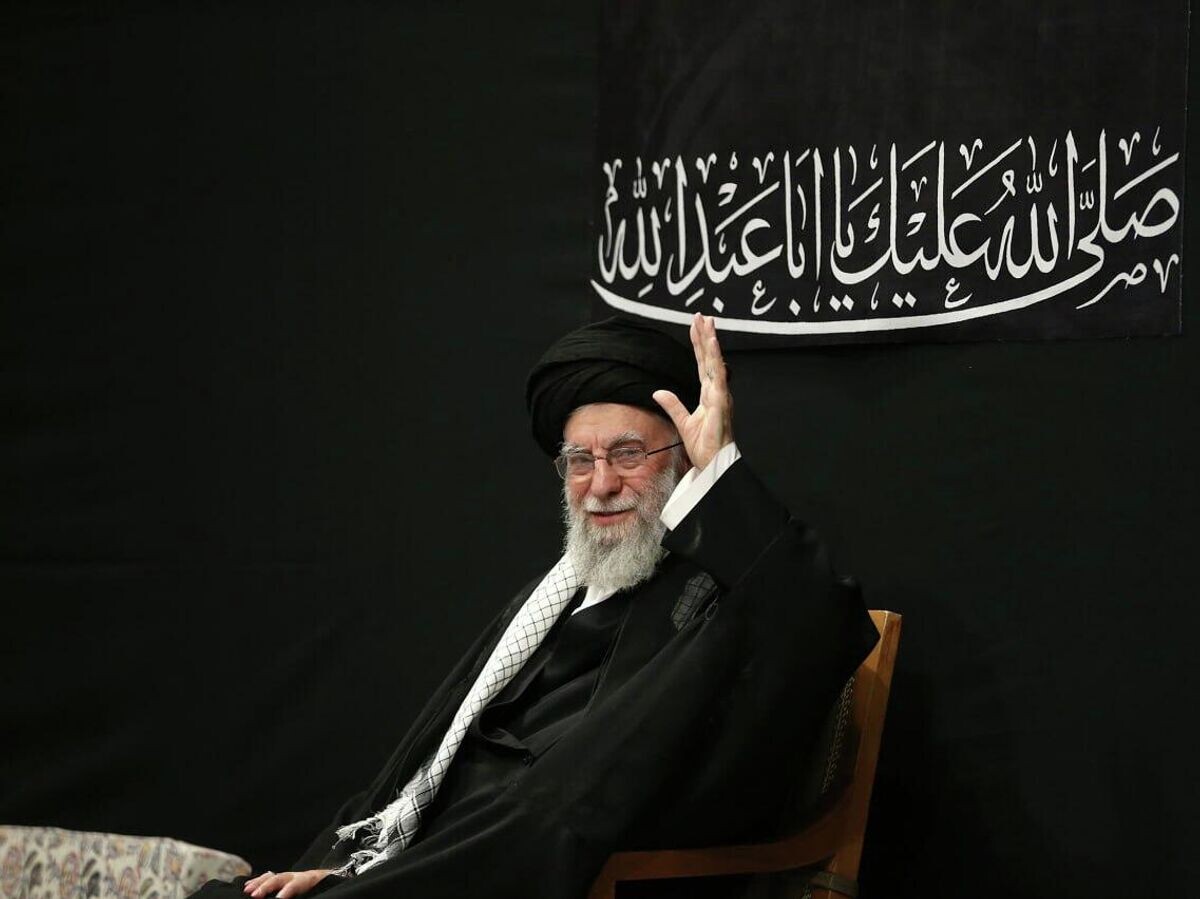
Strikes against Iranian leadership and nuclear sites
According to CNN sources, Trump is considering a massive military strike following the failure of negotiations. Options include airstrikes against Iranian leaders such as Ayatollah Ali Khamenei and President Masoud Pezeshkian, as well as hits on nuclear facilities. Trump is reportedly weighing targeted attacks to incite protesters to seize government buildings and create conditions for regime change.
What the targets will be
Andrey Yashlavsky, a lead researcher at the Russian Academy of Sciences, notes that the US may finally strike. "It might not just be nuclear sites this time, but decision-making centers and government buildings," he said. He reminded that the deployment of an aircraft carrier strike group mirrors the recent history in the Caribbean regarding Venezuela.
The agreement scenario
Yashlavsky notes that a deal is also possible. "The American president's intransigence often hits reality, as happened with Greenland. Eventually, he made a sharp turn, stating he would not use military force for annexation but would seek an agreement to ensure an American presence."
A third option
A third possibility exists: strikes followed by negotiations. "The question of what exactly Trump wants to achieve remains open. If the Iranian regime were still conducting harsh crackdowns on protesters, the motive would be clear. But now, the intensity of protests has diminished, making the motive for a strike less obvious," Yashlavsky noted.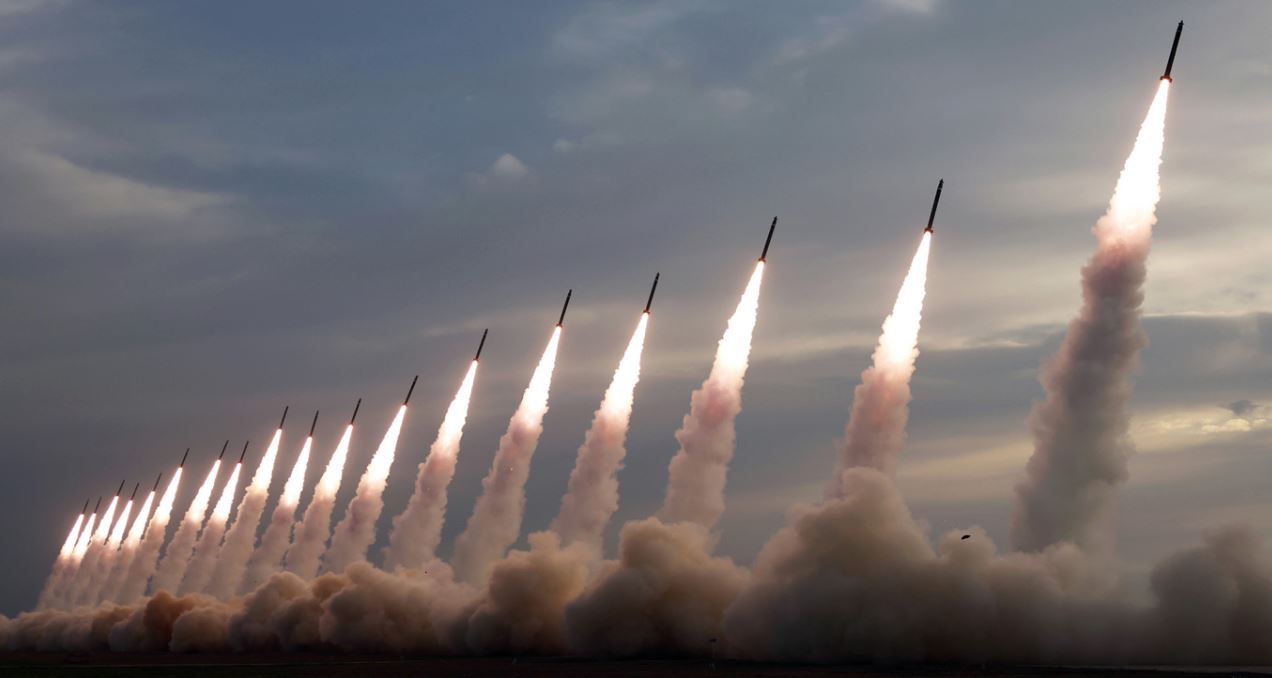
Unacceptable ultimatum
Semyon Bagdasarov, director of the Center for Middle Eastern Studies, considers the probability of direct military conflict extremely high. He argues that the US has essentially issued an ultimatum: reduce uranium enrichment, stop missile production capable of hitting Israel, abandon regional proxies, and recognize the Jewish state. "Do you think Iran will accept this?" the analyst asked. He estimates the White House has long planned this escalation.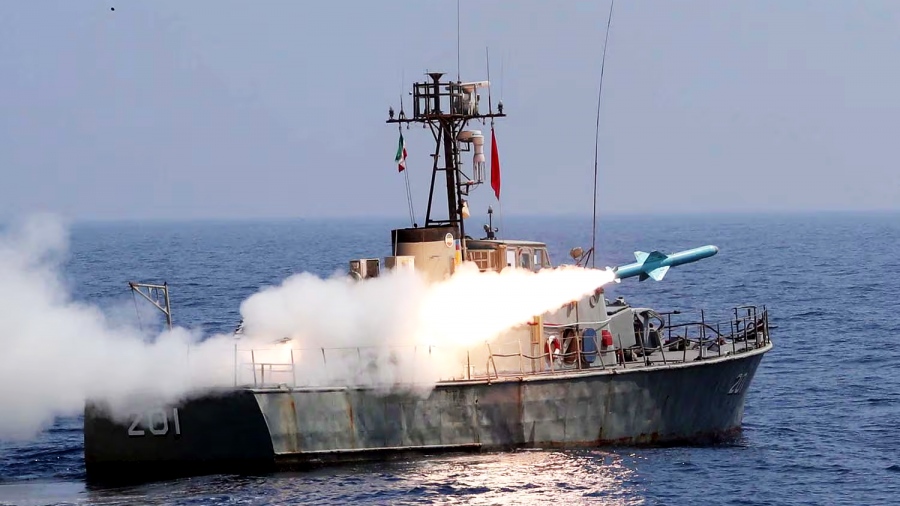
Iran plans total war
A Gulf official told Middle East Eye that the US is considering high-precision attacks as early as this week. Iran has declared that any attack will be treated as "total war." Ali Shamkhani, advisor to the Supreme Leader, stated: "The response will be immediate, comprehensive, and unprecedented, targeting the aggressor, the heart of Tel Aviv, and those who support them."
200% Ready
Foreign Minister Abbas Araghchi is holding high-level talks in Turkey today, Friday, January 30th. Tehran seeks to "constantly strengthen ties with neighbors," according to spokesperson Esmaeil Baghaei. Despite the diplomacy, the priority in Tehran is defense. "Tehran's priority is not to negotiate, but to have 200% readiness to defend our country," stated Kazem Gharibabadi, a senior negotiator.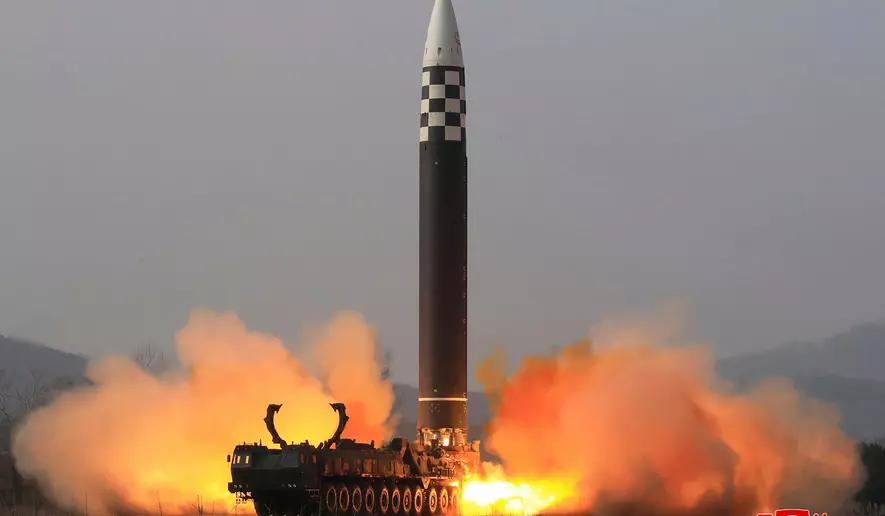
Khamenei: Crushing blow to the US on sea and land - A real catastrophe
A representative of the Supreme Leader warned that any aggression will jeopardize the entire US military infrastructure in the region. Abdullah Haji Sadeghi stated that every American base is within range. He emphasized that the response would be a crushing blow on land and sea.
The military is ready
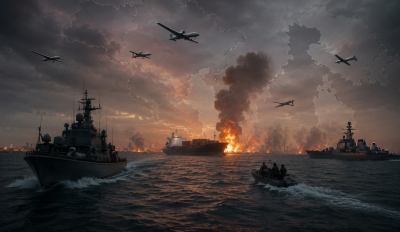
Iran has highlighted its strength through numerous exercises since the 12-day war last June. On Thursday, the Iranian military announced that 1,000 new strategic drones—including kamikaze, combat, and electronic warfare units—had joined its forces. Commander Amir Hamati stated the agenda includes a "decisive response to any attack." The IRGC has also projected its ability to continue launching ballistic and cruise missiles even under fire. Simultaneously, President Masoud Pezeshkian has granted border governors powers to import food and essentials in preparation for war.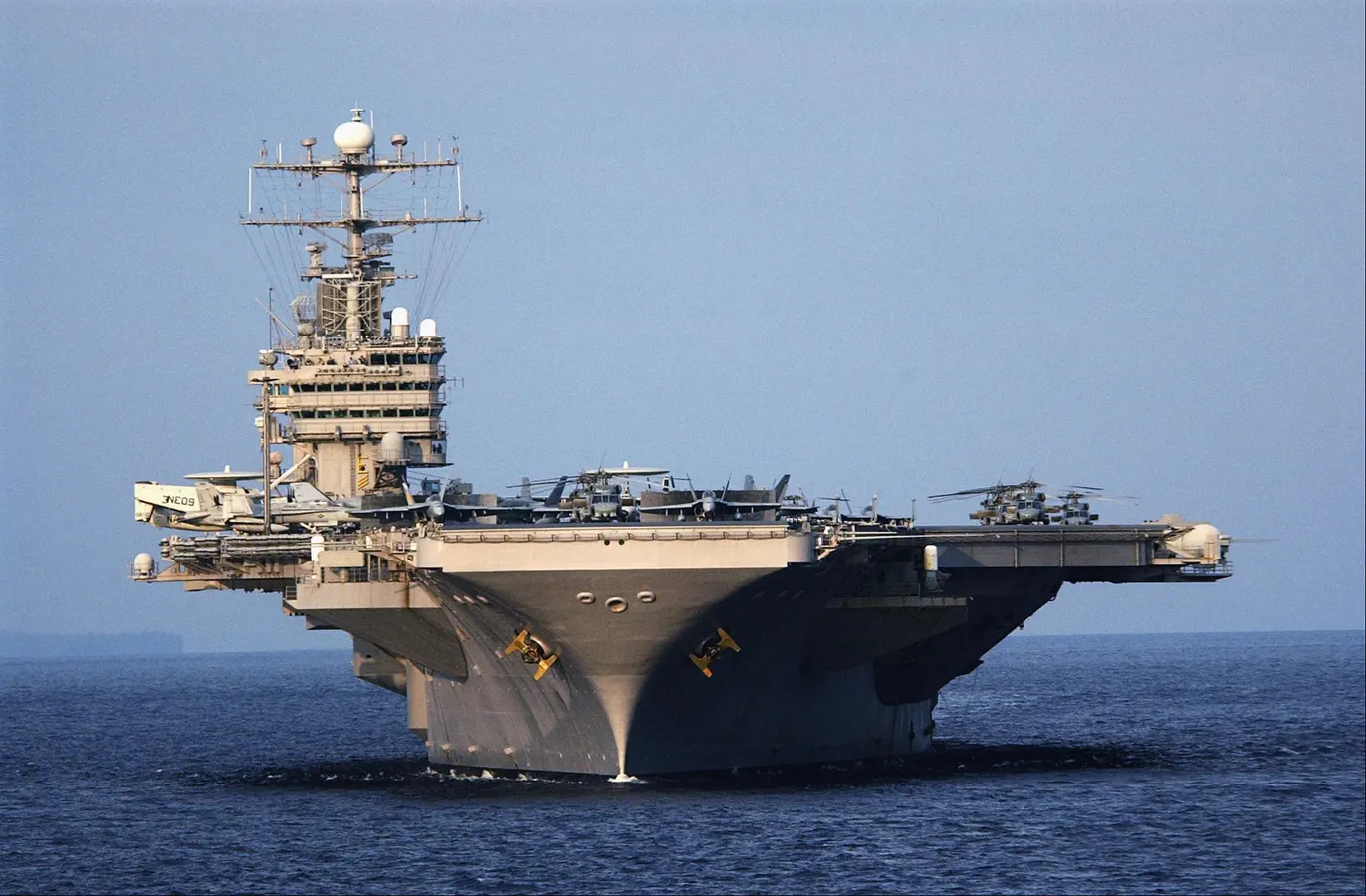
Under siege
The deployment of the USS Abraham Lincoln to the Middle East, alongside THAAD and Patriot systems and F-15E Strike Eagles, underscores the buildup. The carrier brings F-35s and EA-18G Growlers capable of electronic jamming. While American officials call this "defensive," analysts like Jennifer Kavanagh of Defense Priorities are skeptical. History shows that what is presented as defensive movement can be the preparation for an offensive.
F-35As sent to Europe
The US Air Force is moving F-35A fifth-generation fighters to Europe. Open-source data suggests they may be headed for the Middle East. These fighters were recently in Puerto Rico for the Venezuela operation. Analysts note that F-35As were crucial in suppressing Iranian air defenses during the June 2025 attack. The current military posture suggests the US may seek an initial strike on air defenses and airfields using a combination of B-2s, F-35Cs, and EA-18Gs.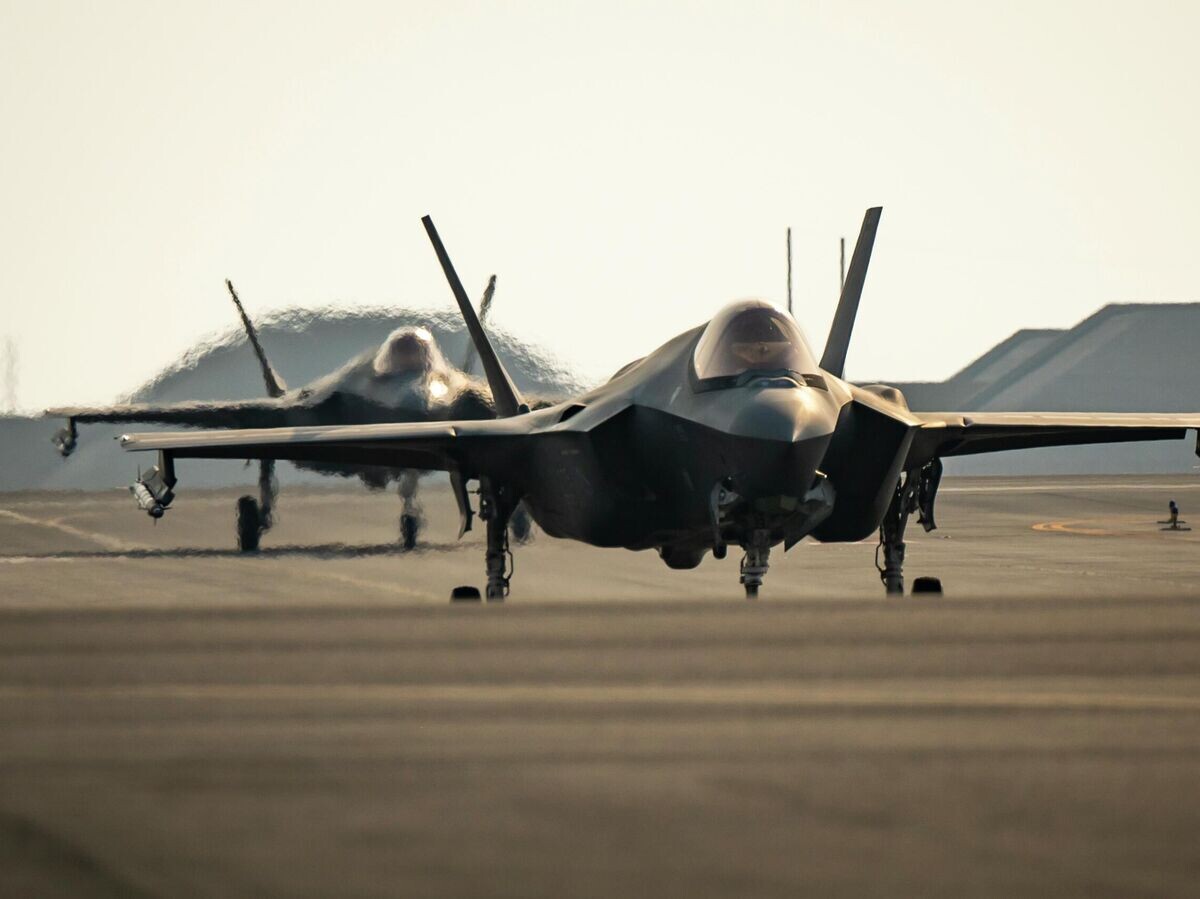
www.bankingnews.gr





Readers’ Comments