

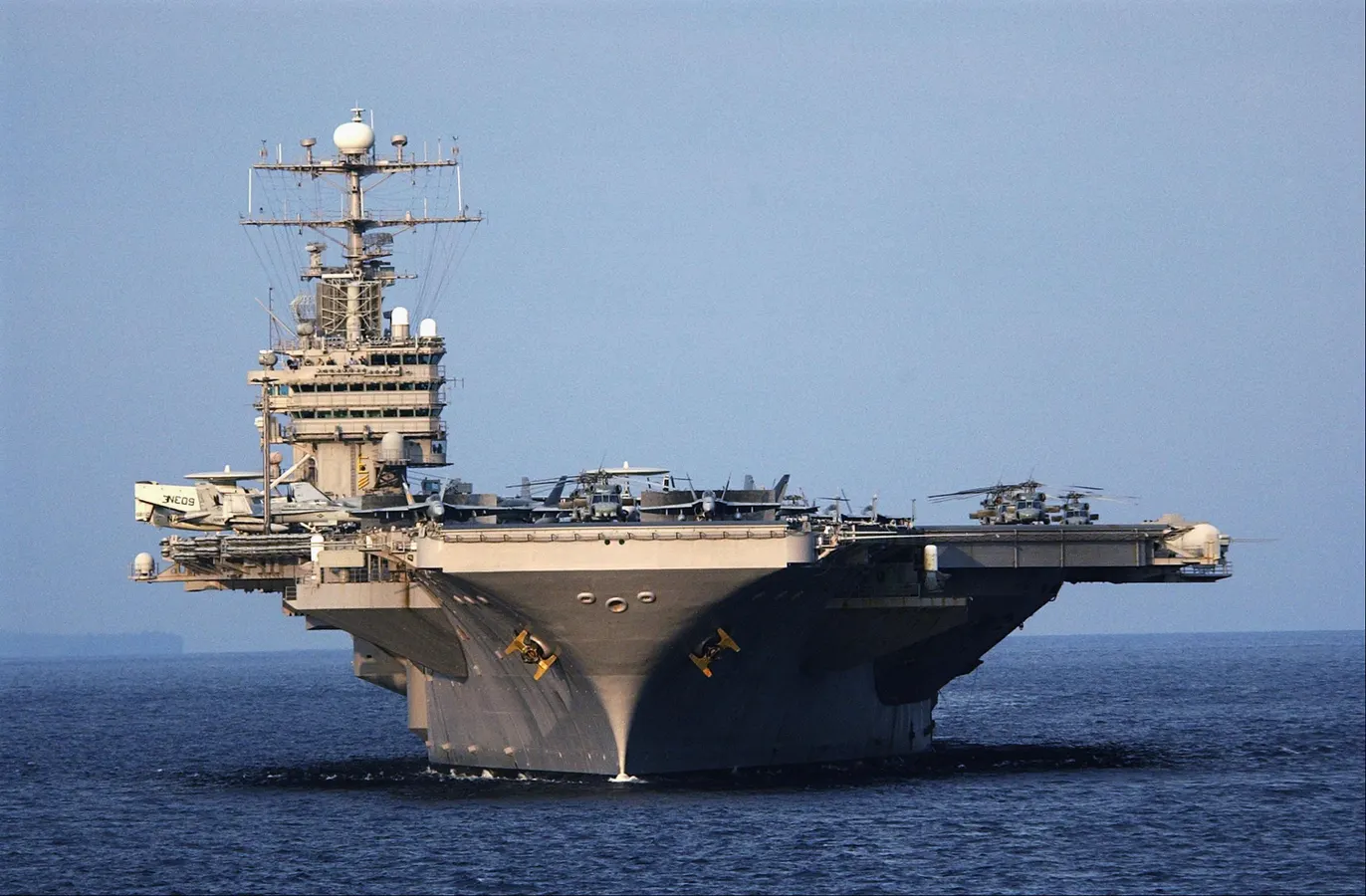
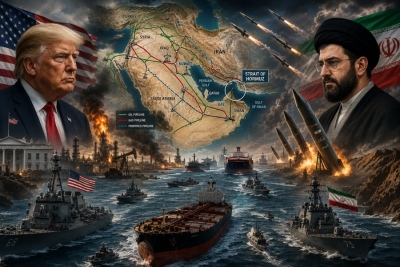
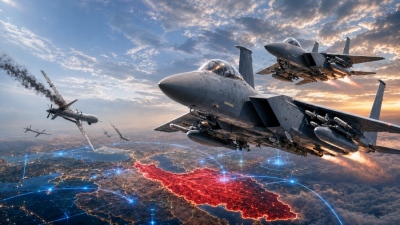
In recent weeks, the United States has intensified its military presence in the Middle East, with particular emphasis on Iran, creating conditions of tension reminiscent of dangerous strategies from the past. Despite official statements about defensive measures, the movement of U.S. forces, technology and weapons systems around Iran raises serious questions about whether this constitutes preparation for a limited or even broader attack against Tehran in the immediate future. A characteristic example of this military mobilization is the deployment of the aircraft carrier USS Abraham Lincoln to the wider Middle East region, accompanied by U.S. Navy vessels. This aircraft carrier reinforces forces already sent to the area in recent weeks, such as the THAAD and Patriot missile defense systems, as well as F-15E Strike Eagle fighter jets.
It will bear no resemblance to the 12 day war of 2025, it will be real destruction
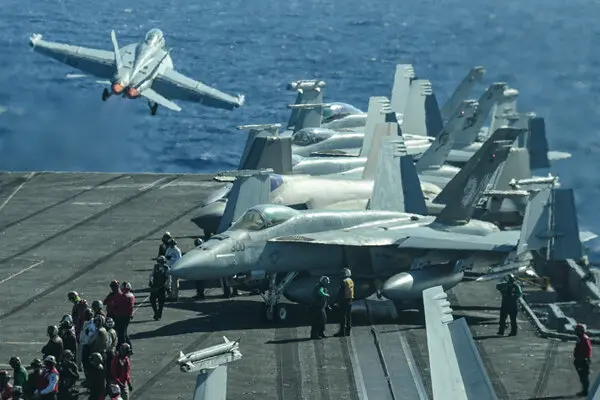
In addition, as reported by the Israeli network Ynet, the presence of P-8A Poseidon maritime patrol aircraft, MQ-9 Reaper drones, refueling aircraft and C-17 transport aircraft strengthens the sense of comprehensive military preparation. The USS Abraham Lincoln itself carries significant military assets, such as F/A-18E/F Super Hornets and F-35s, which are attack aircraft, as well as EA-18G Growlers, capable of interfering with enemy technology. The question that arises is whether all this movement is truly defensive, as claimed by American officials. The creation of an integrated air defense system, MEAD-CDOC, at Al Udeid base in Qatar, to enhance integrated air and missile defense, appears to justify the rhetoric of defense. However, analysts are more skeptical. Jennifer Kavanagh, senior researcher at Defense Priorities, points out that even during Israel’s short lived war with Iran in the summer, the Americans did not rely heavily on regional forces for attacks against Iranian targets, but on bombers from the United States and fighters supplied from Europe. Regional forces were used primarily for defensive purposes, protecting bases and forces and reinforcing Israel against potential Iranian reactions. However, historical experience shows that what is presented as defensive movement can constitute preparation for attack.
Prolonged escalation
Sebastian Bruns, researcher at the Royal Swedish Society of Naval Sciences, notes that the presence of an aircraft carrier in the region is not unprecedented, but constitutes a clear indication of power projection by the United States. Military presence is not limited to the ship itself, but requires accompanying assets for its protection, as Iran possesses a significant defense system. This means that escalation may last, but such presence cannot be permanent, sooner or later it must be used offensively or withdrawn, adding a factor of pressure and time to the equation. At the same time, Ali Vaez, director of the Iran Project at the Crisis Group, emphasizes that the buildup of forces may simply be a means of deterrence. The threat of retaliation and the protection of assets and allies may deter the first move by the Iranian government, while pressure is simultaneously increased through sanctions and diplomatic isolation. However, as he adds, it cannot be ruled out that the United States is considering more aggressive plans, such as limited strikes on high value targets or even an extensive military campaign against strategic targets in Iran. The possibility of offensive operations is supported by other analysts.
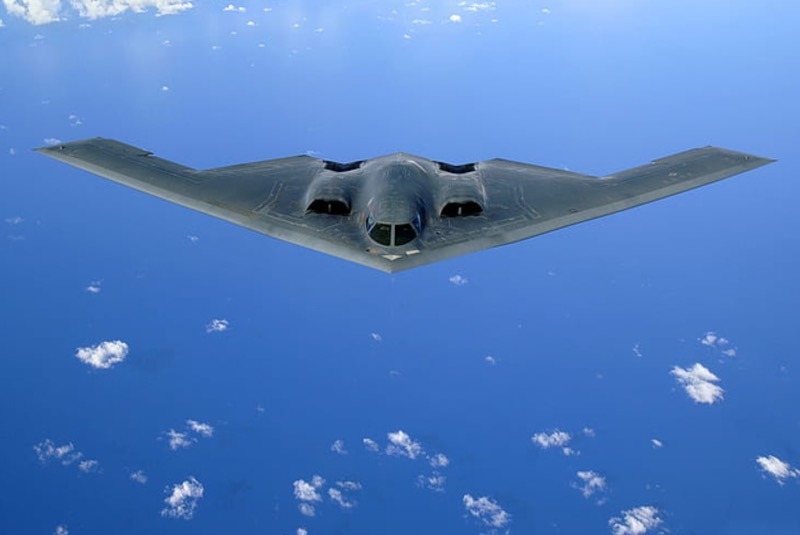
Jon, analyst at the UK Defence Journal, notes that the overall military deployment suggests that the United States may seek an initial strike against key targets, such as air defense systems and airports, using a combination of B-2, F-35C and EA-18G. Follow on attacks for several days or weeks could rely on F-15E and other assets, with refueling and transport aircraft ensuring operational functionality. This forecast clearly shows that apparent defense does not exclude, and may indeed prepare, offensive actions.
Strikes against Iranian leadership and nuclear facilities
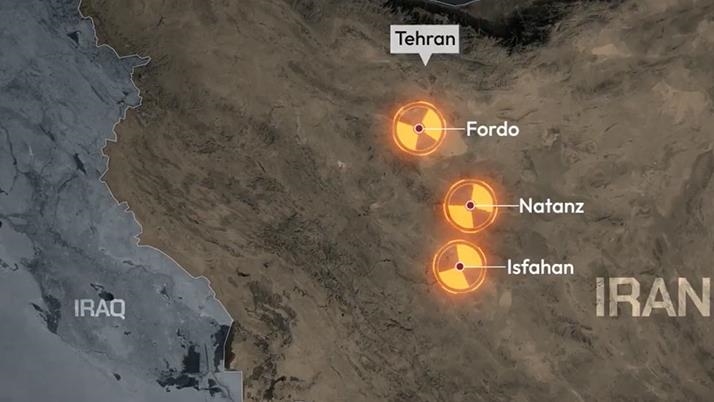
The situation is further complicated by the personal involvement of the President of the United States, Donald Trump. According to sources cited by CNN, Trump is considering a strong military attack on Iran, following the failure of negotiations to limit Tehran’s nuclear program and ballistic missile production. The options under consideration include air strikes against Iranian leaders such as Ayatollah Ali Khamenei, President Masud Pezeshkian, security officials, as well as strikes on nuclear facilities and government bodies. Moreover, Trump is seriously considering the possibility of targeted military attacks against leadership figures and security forces of Iran, with the aim of inciting protesters to seize government buildings and create conditions for regime change. This was reported by Reuters, citing sources close to the American president. Negotiations between Washington and Tehran did not yield results. According to CNN, the main obstacle was not the nuclear program, but the U.S. demand that the range of Iran’s ballistic missiles be limited, which Tehran rejected. The New York Times reports that Trump plans to make a decision on an attack by 31 January. Trump’s rhetoric was blunt.
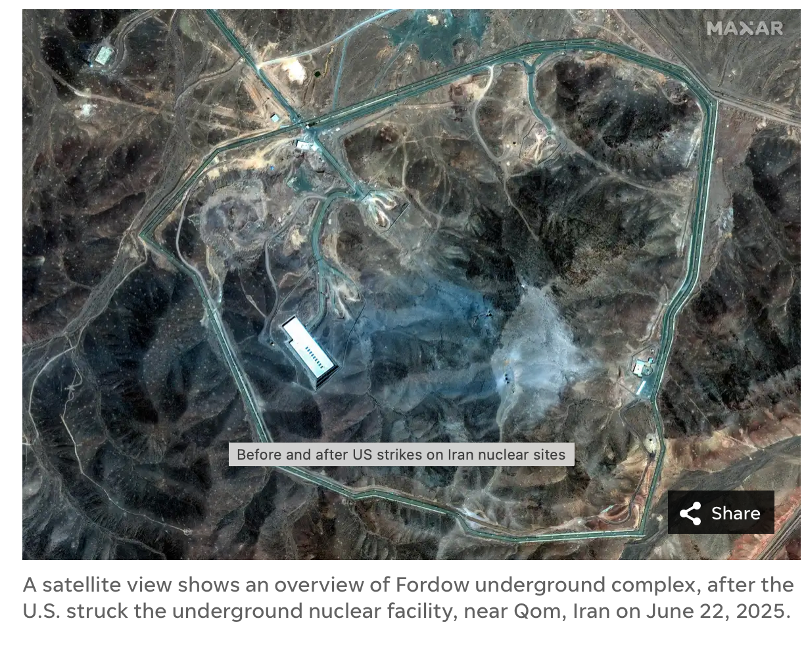
On 28 January, in a post on Truth Social, he demanded that Tehran participate in fair and equal negotiations to halt the development of nuclear weapons. He threatens that the new American attack will be greater than that of June 2025, during which the United States struck three nuclear facilities, and he recalled the deployment of the aircraft carrier Abraham Lincoln to the Arabian Sea. Tehran, for its part, states that its nuclear program is peaceful and that it does not develop weapons of mass destruction. According to CNN sources, Trump seeks a strong, decisive strike that will force Tehran to accept U.S. terms. At the same time, he wishes to announce victory as quickly as possible after ordering an attack. However, political analysts express serious doubts about the clarity and effectiveness of his strategy. Andrei Klimov, member of the Russian Council for Foreign and Defense Policy, emphasizes that Trump does not have a clear plan for Iran and operates with the logic of a businessman investor who exploits uncertainty and tension for personal political gain.
Iran plans total war
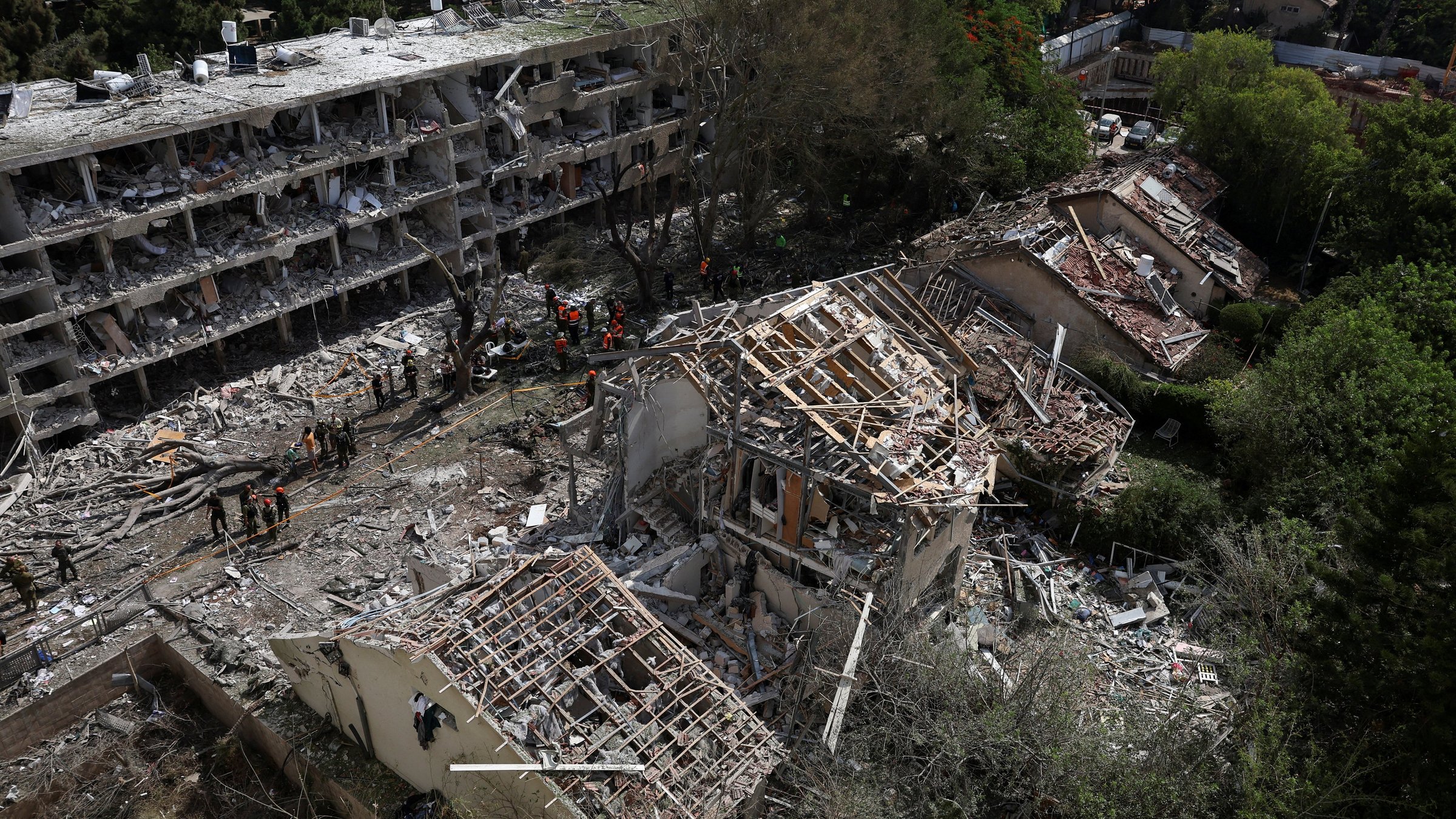
The statement by a Gulf official to Middle East Eye, that the United States is considering high precision strikes on Iran even this week, together with the announcement by CENTCOM of readiness exercises by the U.S. Air Force, creates serious concern about an immediate military incident. Iran, for its part, has declared that any attack will be considered total war, highlighting the risk of a chain reaction conflict with unpredictable consequences for the entire Middle East. Ali Shamkhani, adviser to the Supreme Leader of Iran, Ali Khamenei, responded to Trump’s threats by stating that the response will be immediate, comprehensive and unprecedented, targeting the attacker, the heart of Tel Aviv, and those who support the attacker. Iranian Foreign Minister Abbas Aragchi stressed that the country’s military is ready for immediate and strong retaliation. This political and military game increases the risk of large scale conflict in the Middle East.
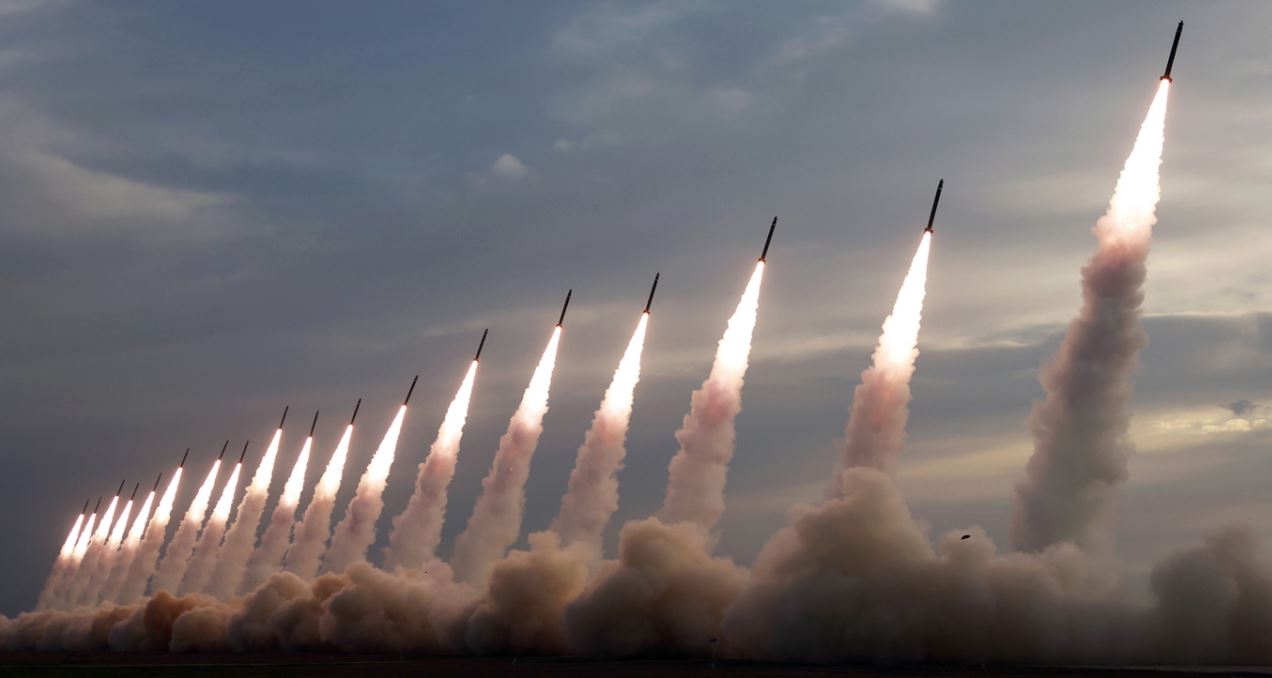
Experts predict that the main escalation may occur in the spring, with possible assassinations of leaders or strikes on military targets, while mass protests and social unrest in Iran could provide the United States with the opportunity to intervene. At the same time, more than 70% of Americans appear to oppose escalation, something that may influence the president’s decisions. The critical dimension of this situation is clear. The United States is repeating a pattern of military aggression that is covered by the rhetoric of defense. The United States repeats a pattern of military aggressiveness that is often concealed behind rhetoric about protecting allies or defensive measures. The movement of aircraft carriers, drones, missile systems and military special forces cannot be considered mere defense when it is part of a broader plan of deterrence or limited attack. In addition, frequent reference to limited high value strikes shows that the United States always keeps the option of military escalation on the table, intensifying the risk of accidental or deliberate conflict.
Khamenei left Tehran to travel to Qom
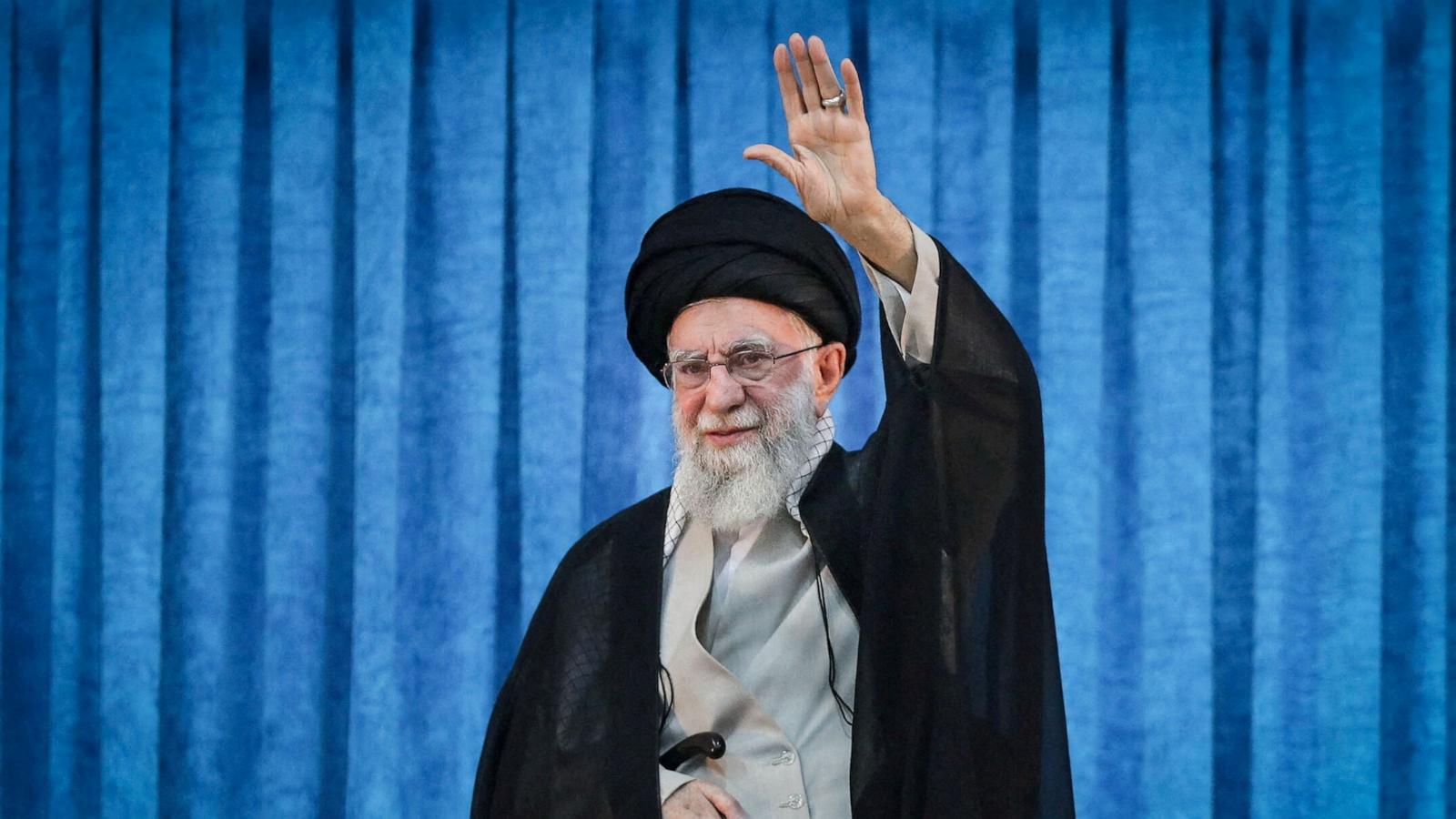
In an act of strong symbolism, the Supreme Leader of Iran, Ayatollah Ali Khamenei, left Tehran and traveled to the holy city of Qom, specifically to the Jamkaran Mosque. The Jamkaran Mosque is directly associated with the 12th Imam of Shia Islam, Imam Al-Mahdi, the Expected One, who according to Shia theology is in occultation and will return in an era of great injustice to restore justice. This is a powerful eschatological symbol, particularly in periods of crisis, threat or war. Khamenei’s choice to go precisely to this site sends a clear message. The Iranian state perceives the current moment as a historical turning point.
Iran begins naval drills with live fire, sea axe in the Strait of Hormuz
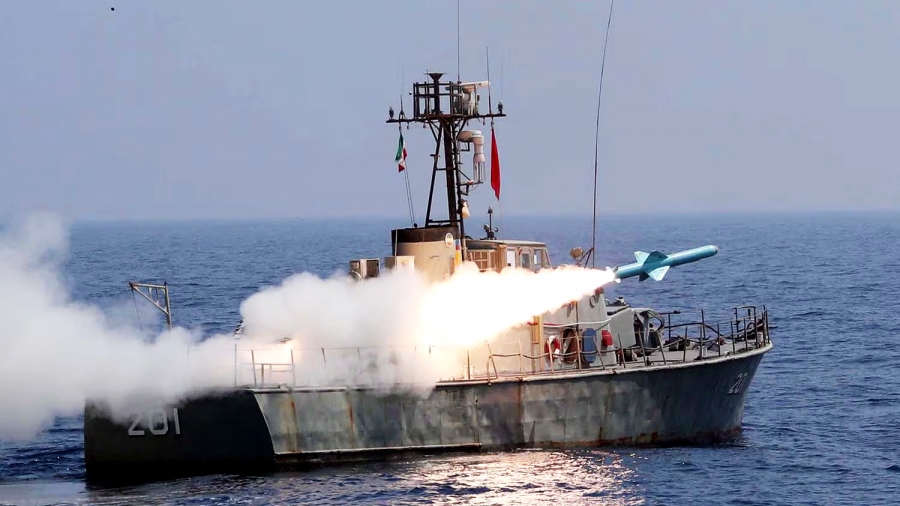
Iran warned commercial ships on Thursday 29/1 that it intends to conduct a naval exercise using live fire in the Strait of Hormuz at the beginning of next week, according to the American outlet The Hill. This move may affect navigation on one of the most critical oil transport routes globally, as reported on platform X by the AP news director for the Gulf and Iran, Jon Gambrell. The notice, which was transmitted to ships via radio, stated that the exercise will take place on Sunday 31/1 and Monday 1/2 in the narrow sea passage through which approximately 20% of global oil flows pass.
NOTAM (B0051/26) Exposes Upcoming "Naval Ambush": Iran Establishes "Live-Fire Zone" in Mid-Gulf Next Week... While "Jask" NOTAM Enters Final Hours.
— IntelSky (@Intel_Sky) January 29, 2026
— Talal Nahle
Updated Strategic Report (Thursday Afternoon – January 29):
Based on a close examination of the NOTAM file, the… pic.twitter.com/k7Jblwi8wT
Alarm in Cyprus, restrictions at sea and in the air in force from 3/2
Cyprus announced restrictions on maritime movements taking effect from 3 February, requiring immediate coordination with air traffic control in Nicosia. Israel announced a similar closure of its airspace in the same area. U.S. destroyers USS Roosevelt and USS Bulkeley are operating near the area, with indications of the presence of a British submarine as well. This measure strengthens the defensive protection of Israeli coasts in anticipation of a strike on Iran.
Sudden military activity in Azerbaijan as U.S. special forces aircraft detected near Iran’s border
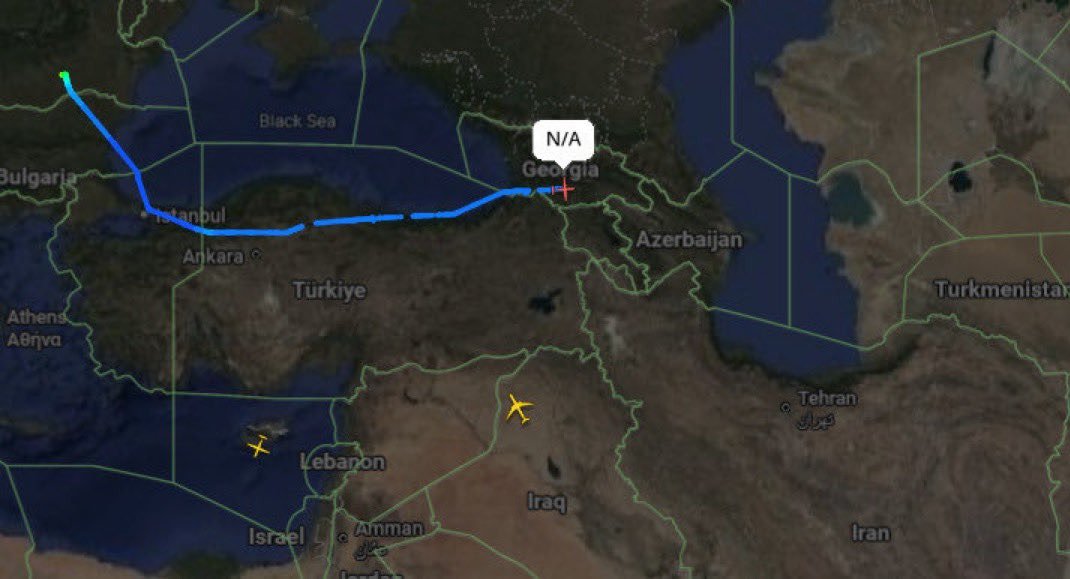
A United States aircraft was detected in Azerbaijan, a country that borders Iran. According to military analysts, it is specially designed for the insertion and extraction of special forces in hostile or denied territory, within the framework of missions of high political and military sensitivity. It has capabilities for low altitude night flights, a terrain following radar system, aerial refueling, as well as infrared countermeasures, forming a complete package for operations that require absolute secrecy and precision. These are assets typically used in special forces missions, reconnaissance, or battlefield preparation ahead of broader military actions. The fact that this aircraft is linked to Azerbaijan, a country that shares extensive borders with Iran, gives particular significance to this development.
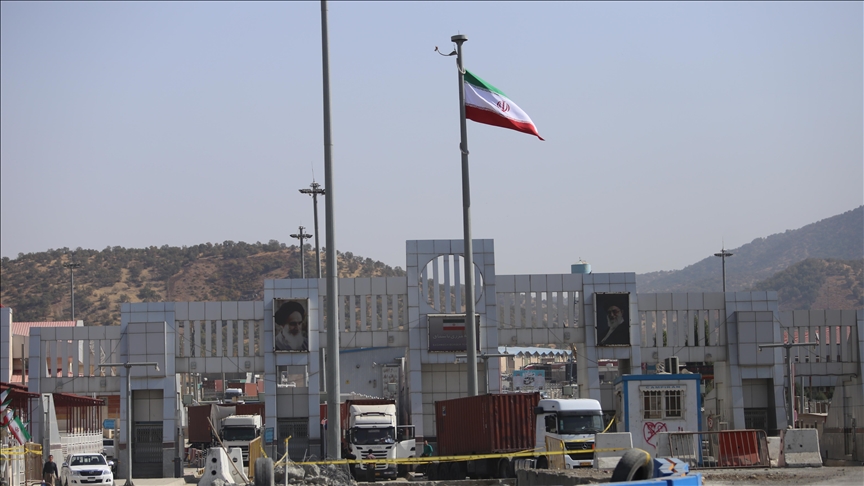
Unprecedented security measures at the Iran Iraq border
The commander of Iran’s border forces, Brigadier General Ahmad Ali Gudarzi, described as unprecedented the security measures taken by Iraqi border forces at the border with Iran, emphasizing that they ensure the protection of the area at the highest possible level. This assessment is included in an official announcement by the Iraqi border forces, following a meeting between Gudarzi and the head of the Iraqi border guard, Lieutenant General Mohammed Abdel Wahhab Sakr. According to the announcement, the Iranian official praised the fortification works and security measures constructed by Iraq along the shared border, underscoring their contribution to improving border security between the two countries. The meeting took place in the border city of Badr and was attended by commanders of three Iraqi border regions, senior officers and their Iranian counterparts.
The chain of death is terrifying
This U.S. strategy has serious geopolitical and humanitarian consequences. The repetition of patterns observed in Iraq, Syria and Venezuela shows that the United States often uses military superiority for pressure and intimidation rather than genuine diplomatic resolution. The consequences for the region may be catastrophic, increased tension, the possibility of war with incalculable losses and further expansion of instability in the Middle East. Overall, the recent U.S. mobilization around Iran demonstrates a dangerous logic of military superiority that conceals aggressive plans. Despite the appearance of defense, the presence of aircraft carriers, fighters, drones and missile systems indicates that the United States always keeps military attack on the table.
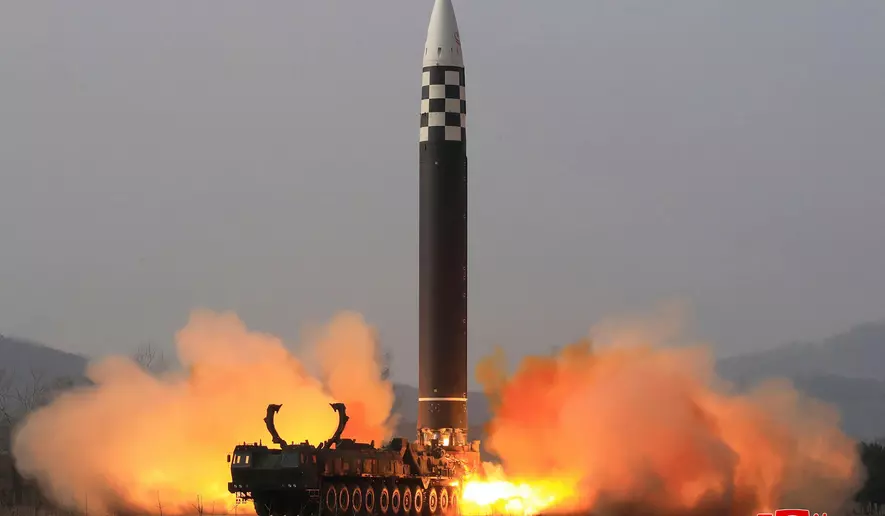
International analysts speak of a terrifying chain of death forming in the Persian Gulf, with catastrophic consequences both for the region and for the planet as a whole. The international community must closely monitor these developments, because the continuation of such practices may lead to a large scale conflict, with incalculable consequences for the region and beyond. The situation is therefore a clear example of the dangerous logic of U.S. defensive escalation. The more it is presented as preventive protection, the more it increases the likelihood of military involvement, making the Middle East region more insecure than ever. And as long as the rhetoric of defense continues to conceal aggressive intentions, the greater the responsibility of the international community to demand de escalation and real dialogue instead of military tension.
www.bankingnews.gr




Readers’ Comments