

Europe remains the primary lender to the US, with continental nations holding $8 trillion in American bonds and equities.
A research note by George Saravelos, the Greek-born Head of FX Research at Deutsche Bank, has triggered intense market volatility and political maneuvering in Washington after suggesting Europe may gradually wind down its exposure to US assets. The report’s impact was significant enough to prompt Deutsche Bank CEO Christian Sewing to personally call US Treasury Secretary Scott Bessent, igniting a fierce debate over the boundaries of independent banking research.
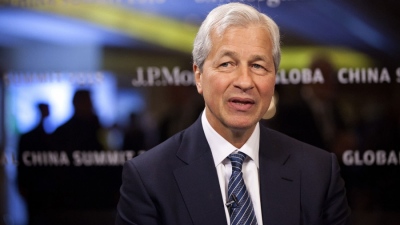
Deutsche Bank's Chief Financial Officer, James von Moltke, attempted to quell the uproar during an appearance on Bloomberg TV, insisting the bank has no plans to curtail the autonomy of its analysts. Von Moltke praised the bank’s research team for their independent thinking and emphasized that such analysis is vital for investors, regardless of how uncomfortable it may be for the institutions involved.
"Research independence is absolutely sacrosanct," von Moltke stated. "At times it can be awkward for the firms, the banks that fund the research, but that independence is exactly how it should be."
The phone call to Bessent
The controversy deepened last week when Scott Bessent revealed that Christian Sewing had called to distance the bank from the report’s conclusions. The research note argued that Europe might become less willing to hold dollar-denominated assets following President Donald Trump’s recent rhetoric regarding Greenland. Saravelos suggested that such a rebalancing of portfolios away from the dollar could actually mitigate the negative impact on the Euro, shielding it from wider geopolitical fallout.
The swift reaction from Deutsche Bank, which maintains a massive corporate presence in the United States, highlights the heightened sensitivity of global financial institutions to the shifting transatlantic relationship.
The report that triggered market panic
In his analysis, George Saravelos pointed out that Europe is currently the largest financier of the US economy. European nations hold approximately $8 trillion in bonds and equities, nearly double the combined holdings of the rest of the world.
"In an environment where the geoeconomic stability of the Western alliance is being disrupted at an existential level, it is not clear why European investors would be willing to continue playing this role," the report noted. Saravelos added that recent diplomatic tensions could accelerate a structural shift favoring the Euro at the expense of the US dollar.
Police raid Deutsche Bank offices amid money laundering probe
The bank’s efforts to reassure markets about analyst independence come at a precarious time. Just one day prior to these statements, officers from Germany’s Federal Criminal Police Office (BKA) raided the bank’s offices in Berlin and Frankfurt as part of an ongoing money laundering investigation.
On the morning of Wednesday, January 28, 2026, roughly 30 plainclothes officers arrived at the Frankfurt headquarters. The investigation centers on allegations that the bank maintained business relationships with foreign entities used to launder proceeds from illegal activities. Specifically, the probe is looking into the bank's historical ties with Russian billionaire Roman Abramovich.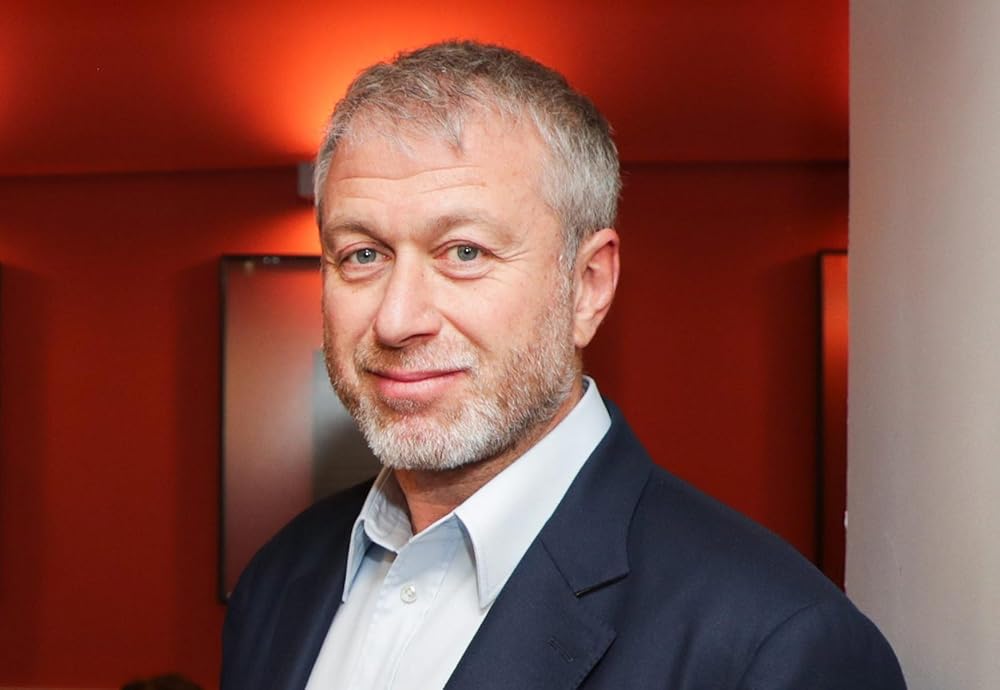
According to reports in the Süddeutsche Zeitung, the case involves a failure by the bank to submit a suspicious activity report in a timely manner regarding the former client. The Russian oligarch, who has been under EU sanctions since March 2022, has been the subject of a long-standing investigation by the Public Prosecutor’s Office. Authorities reportedly ordered the raid after the bank failed to provide the required transparency during previous inquiries into a "58-year-old businessman from the Russian Federation."
This is not the first time the German lender has faced scrutiny over internal controls. In April 2022, a similar raid led the financial regulator BaFin to appoint a special representative to oversee the bank’s progress in combating money laundering and the financing of terrorism.
www.bankingnews.gr






Readers’ Comments