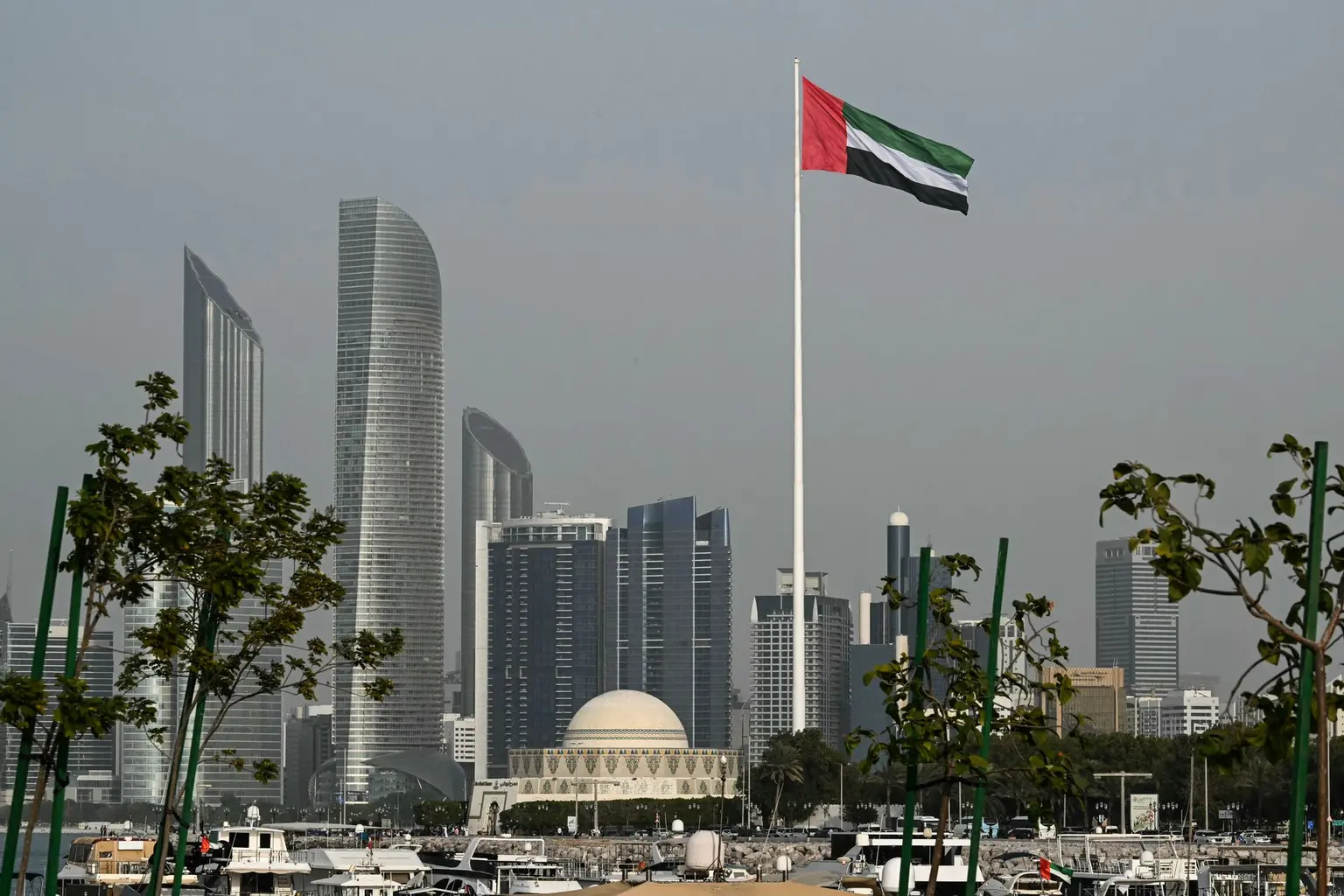
The decision for the talks on Ukraine to continue in Abu Dhabi in a bilateral rather than trilateral format constitutes a critical development that reveals the real balance of power in the Ukrainian issue. As confirmed by the United States Secretary of State, Marco Rubio, the new round of negotiations will be conducted between the directly involved parties, with the possible but not guaranteed presence of the United States. This statement marks a clear shift away from the previous communications narrative of “collective” crisis management and suggests that the process is entering a tougher, more realistic, and more limited phase, in which the room for maneuver for Kyiv is narrowing significantly.
Absence of symbolic figures
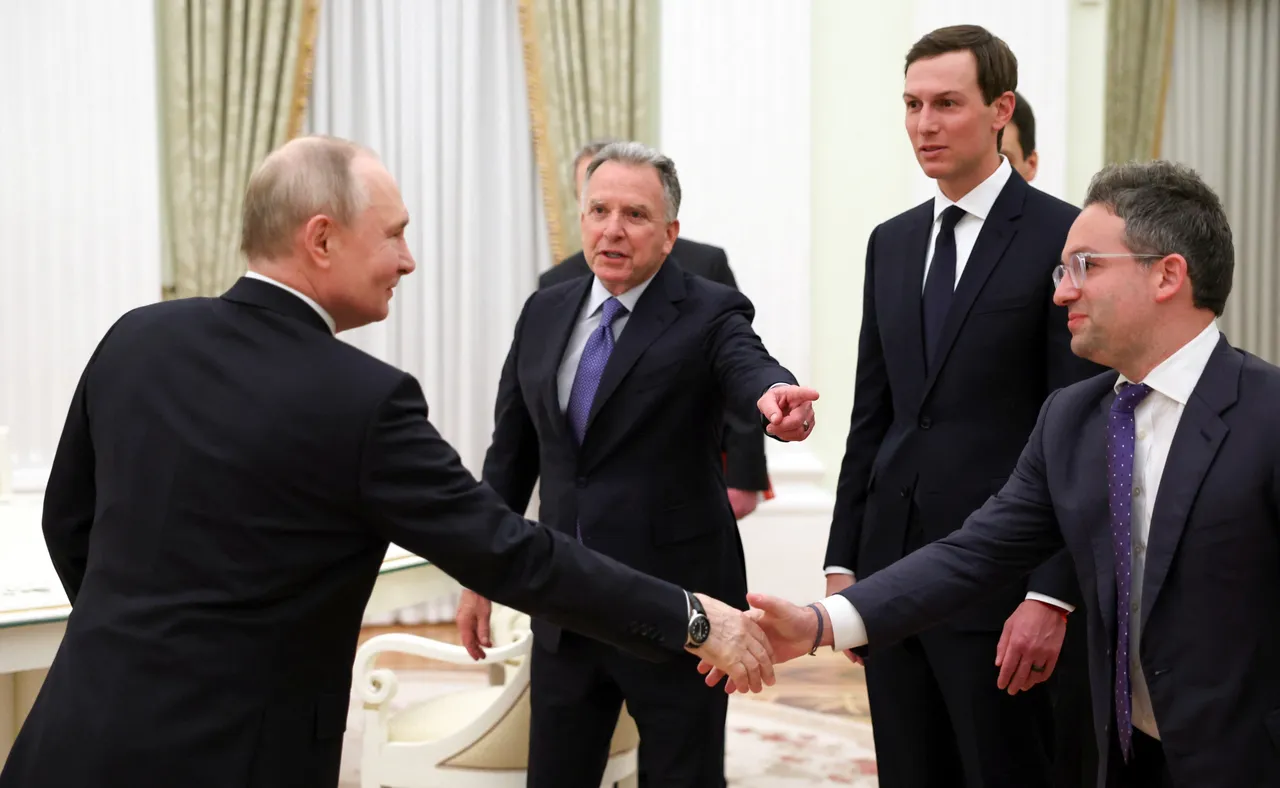
Of particular significance is the fact that, according to Rubio, neither Steve Witkoff nor Jared Kushner, figures with direct access to the White House and symbolic weight in American backchannel processes, will participate in the next round of talks. This absence is not accidental. On the contrary, it indicates that Washington wishes to keep its distance, allowing the involved parties to confront reality at the negotiating table. This constitutes an indirect admission that the American side is not willing to invest political capital in a process without a guaranteed outcome, nor to bear the cost of imposing solutions.
What was discussed and what is revealed
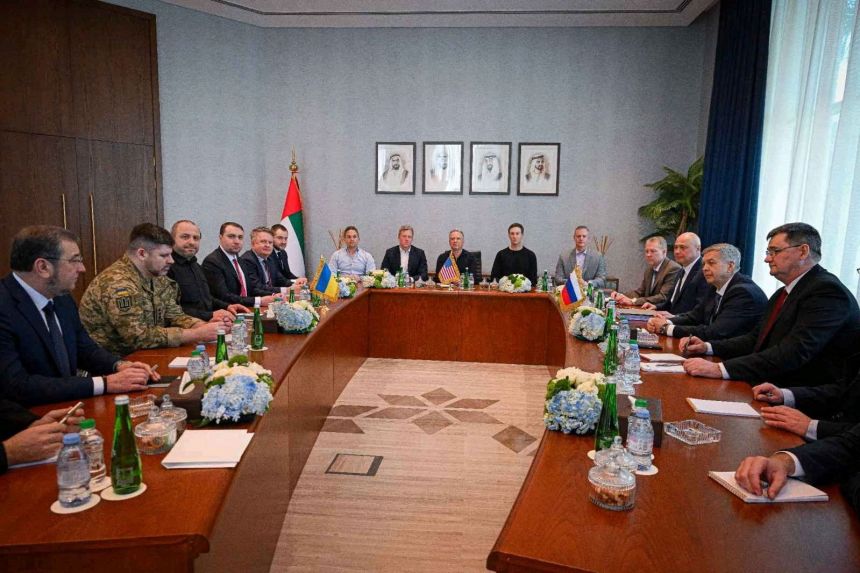
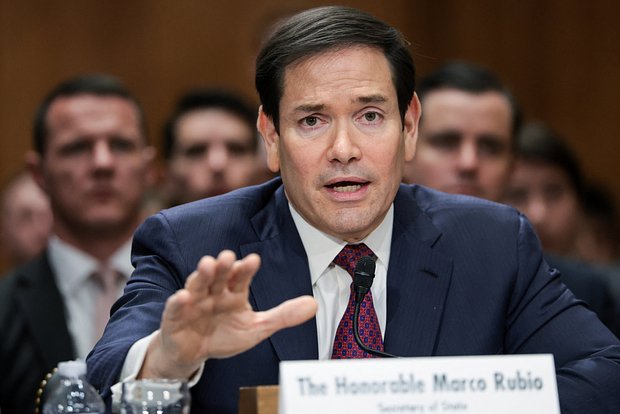
The trilateral talks between Russia, the United States, and Ukraine that concluded on 24 January in Abu Dhabi lasted two days and focused on critical issues such as the creation of security zones (buffer zones), control mechanisms, and other core parameters of a potential peace agreement framework. However, the very nature of these discussions demonstrates that the conflict is not yet close to a comprehensive political solution. References to technical mechanisms and control zones point more toward an effort to manage the conflict rather than to end it.
Russia: Patience and strategic control
The spokesperson of the Kremlin, Dmitry Peskov, confirmed that the talks will continue on 1 February, emphasizing that the process remains ongoing. Moscow appears calm and restrained, without accelerating developments, aware that time and facts on the ground work in its favor. The choice of a bilateral format strengthens the Russian position, as it brings back to the forefront the basic fact that the Ukrainian issue is primarily a conflict between Moscow and Kyiv, and not a matter that can be resolved through multilateral schemes and third party communications interventions.
Kyiv in a difficult position
On the other hand, Kyiv is attempting to present the talks as progress, but reality is harsher. The shift to bilateral negotiations limits Ukraine’s ability to hide behind the political and military support of the West and forces it to confront directly the issues of territory, security, and sovereignty. Previous statements by the Ukrainian leadership regarding the negotiations aim more at maintaining internal morale and international support than at substantive preparation for difficult compromises.
Security guarantees with European troops as the United States steps back
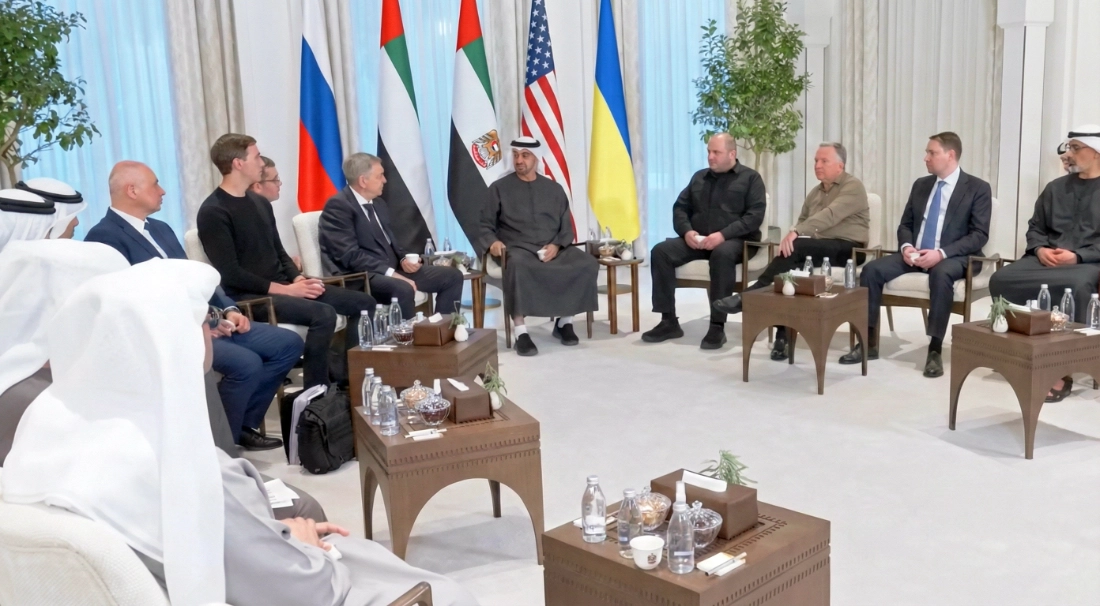
Earlier, Rubio stated that the deployment of military forces from the United Kingdom and France to Ukraine is being discussed within the framework of “positive security guarantees” for Kyiv, revealing the true depth of Western involvement in the conflict. “The security guarantees mainly include the deployment of a small detachment of European troops, primarily French and British, and then support from the United States,” Rubio stated. “But in reality, the guarantee of security is the support of the United States. I do not underestimate the fact that some European countries are ready to deploy troops in postwar Ukraine. I am simply pointing out that without U.S. support it will not matter,” he added. According to the American Secretary of State, the reason for this is that certain states have not invested enough capital in their armed forces for 20 to 30 years. “Now, I hope that will change. And in some specific countries, it has already changed,” he emphasized.
Dangerous escalation with NATO intervention
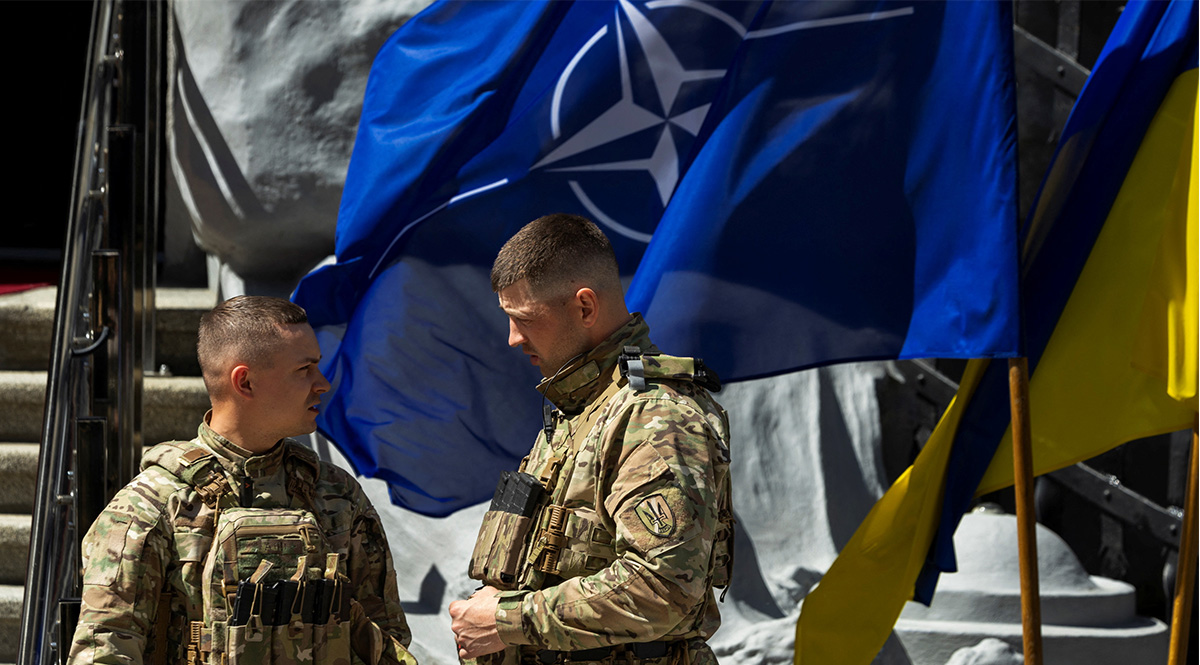
This is no longer about indirect support or defensive assistance, but about a scenario that openly touches the limits of direct military presence by NATO countries on Ukrainian territory. Rubio’s statement before the Senate Committee on Foreign Relations shows that Washington seeks to shift the burden of escalation onto its European allies. With the United Kingdom and France appearing as potential “security guarantors,” the United States retains the role of strategic director, avoiding direct involvement while pushing Europe deeper into a conflict with unpredictable consequences. The deployment of Western troops, even if presented as “peacekeeping” or “defensive,” would constitute a qualitative change in the war, nullifying any pretense of neutrality and dramatically increasing the risk of a generalized conflict. Under the guise of security guarantees, the West appears ready to play a dangerous game of escalation, transforming Ukraine not into a zone of security but into an open field of confrontation among great powers.
What “security guarantees” really mean
The term “security guarantees” has been used repeatedly in recent years as a diplomatic euphemism. In practice, however, when such guarantees are accompanied by troops on the ground, they cease to be abstract commitments and become direct military presence. The potential deployment of British and French forces cannot be considered either peacekeeping or neutral, as these are countries that actively participate in the military, economic, and political support of Ukraine. Even if presented as a limited mission with an advisory or “defensive” character, the presence of troops from NATO member states on Ukrainian territory would constitute a qualitative change in the conflict. It would definitively shatter the narrative that the West is not directly involved and would dramatically increase the risk of direct confrontation with Russia.
A dangerous turn
Rubio’s statement on the possible deployment of British and French troops to Ukraine is not a simple diplomatic reference. It is an indication of a dangerous turn, where the lines between indirect and direct involvement blur perilously. Under the pretext of security, the West appears ready to risk an escalation that will have consequences far beyond the borders of Ukraine. In a world already charged with geopolitical tensions, this choice does not offer a solution but deepens the problem. Real security is not built with troops and symbolic shows of force, but with political will, dialogue, and realism, elements that for now seem to retreat before the logic of confrontation cultivated by the West. “Security guarantees” without a political solution, without dialogue, and without addressing the deeper causes of the conflict resemble more a mechanism for prolonging the crisis than a path to stability. The deployment of troops may create an illusion of control, but in reality it increases uncertainty. It turns Ukraine into a hub of great power confrontation and Europe into a hostage of an escalation it does not fully control.
www.bankingnews.gr



Readers’ Comments