

Ukraine, plunged into an unrelenting storm of attacks, is experiencing a total deadlock: strategic strikes on vital energy infrastructure are condemning Kyiv to collapse, while it has become clear that Western aid cannot reverse the course of the war. Daily life in Kyiv, Odesa, Kharkiv, and other major Ukrainian cities resembles a scene from the final act of a tragedy: power outages, water and heating shortages, and the failure of even sewage systems. The war is no longer just a military conflict, as more Ukrainian civilians approach the brink of a humanitarian disaster every day.
Yet Ukrainian President Zelensky appears to be in a frenzy, a state of war paranoia. It is not just his recent demand that exhausted Ukrainian forces "liquidate" 50,000 Russian soldiers per month. Reports suggest that Kyiv is preparing a new invasion of Russia, a "new Kursk" operation. Such an undertaking, if implemented, could potentially be the final blow to the Kyiv government.
Ukraine prepares new invasion of Russia
Information indicates that Ukraine may be preparing for a new incursion into Russian territory. According to Russian media, reports from the special military operation zone indicate a large concentration of elite Ukrainian Armed Forces units in the direction of Belgorod. Russian military blogger Vladimir Romanov reported that soldiers from the 82nd and 95th Airborne Assault Brigades and the 148th Artillery Brigade have been spotted in the Belgorod region.
"Most units of these brigades have been away from the front for a long time, likely replenishing losses and rearming, and now they may be thrown into a breakthrough of the state border," Romanov claimed. Romanov argues that Kyiv is uninterested in the fate of Ukrainian soldiers as long as the political image remains intact, emphasizing that the government is capable of any adventure.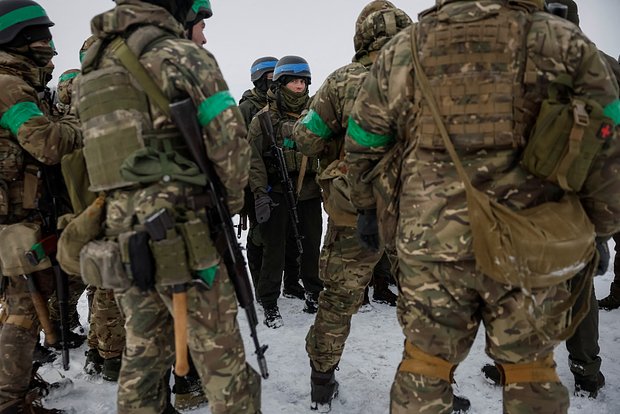
Lack of resources: An attack of desperation
However, Ukraine lacks the necessary resources for such an offensive, according to military expert and retired Captain Vasiliy Dandyk. "For an offensive equivalent to the Kursk adventure, I don't think the resources exist," Dandyk estimates. It is recalled that the head of the Ukrainian armed forces, Oleksandr Syrsky, had announced new attacks against Russia, stating that Ukrainian forces cannot achieve victory while on the defensive.
"Our main goal is to inflict maximum losses on the enemy, destroy their reserves, and gradually reduce their offensive capability," the Ukrainian general stated. On his part, military expert Oleg Glazunov stated that the Ukrainian forces will have neither the reserves nor the ability to defeat the Russian Armed Forces, noting that the Russian military outnumbers Ukraine in manpower. According to Glazunov, Syrsky's words are aimed at reassuring Ukrainians and securing more aid from Western partners.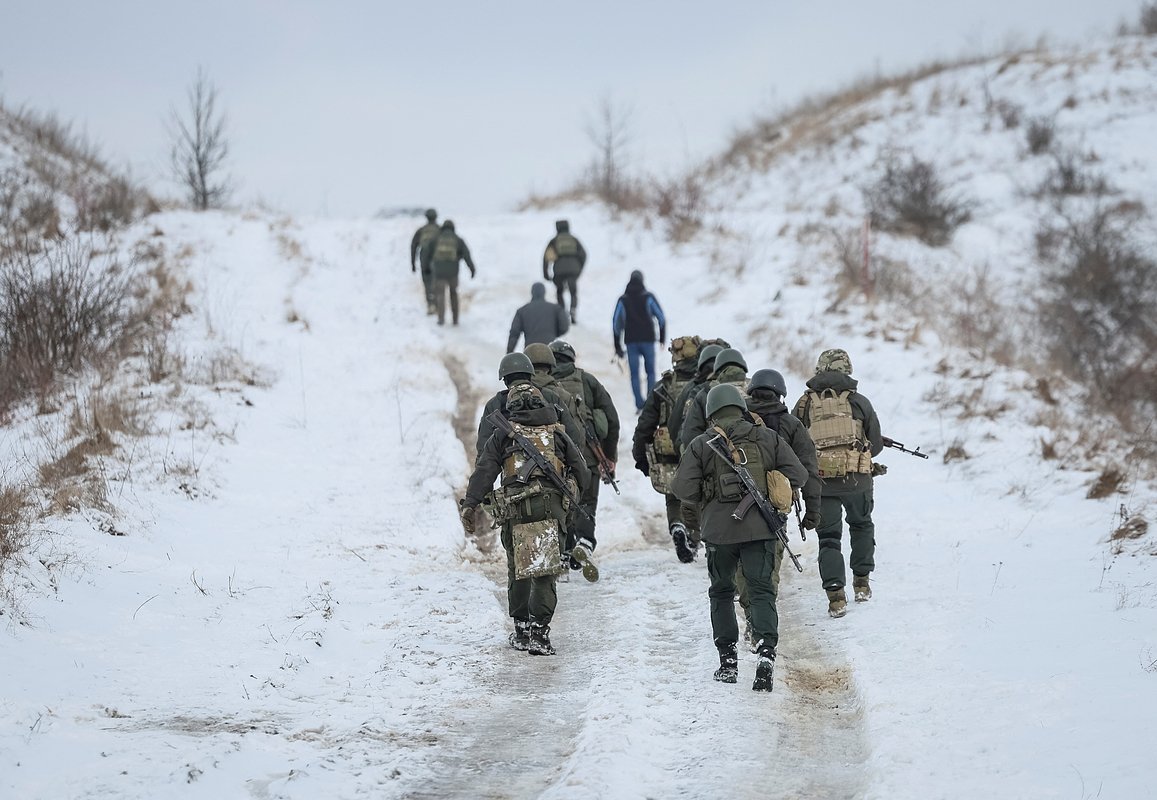
80 drones crushed over Belgorod in 24 hours
It is characteristic that today, Wednesday, January 28, the head of the Belgorod region, Vyacheslav Gladkov, announced the appearance of 80 Ukrainian drones over the region in a 24-hour period. During this time, 42 settlements were struck. According to the Russian Ministry of Defense, 75 drones were shot down over Russian territory on the night of January 27-28, including five over Belgorod. At the same time, the largest number of UAVs were destroyed over the Krasnodar region and Crimea—24 and 23 respectively.
Ukrainian collapse
While the Russians intercept Ukrainian drones, the Ukrainians appear unable to respond to Russian strikes. Over the last 24 hours, the tone of messages regarding the results of Russian attacks on Ukraine's energy infrastructure has changed dramatically. The head of the Kharkiv administration stated that the city, as a result of missile and drone attacks, is 80% without power, noting that "infrastructure in Kharkiv is collapsing faster than it can be restored."
In Odesa, the mass attack caused "colossal destruction," leaving several districts without electricity. Representatives of DTEK, Ukraine's largest private energy company, reported that "the restoration process will be time-consuming." In Kyiv, reports indicate that due to increasing power outages and the risk of sewage systems freezing, there is a plan to dig makeshift outdoor toilets. Maksym Bakhmatov, head of the Desnianskyi district, stated that 725 houses remain without heating, a figure confirmed by Kyiv Mayor Vitali Klitschko, who supported that a total of 737 residences in Kyiv lack heat.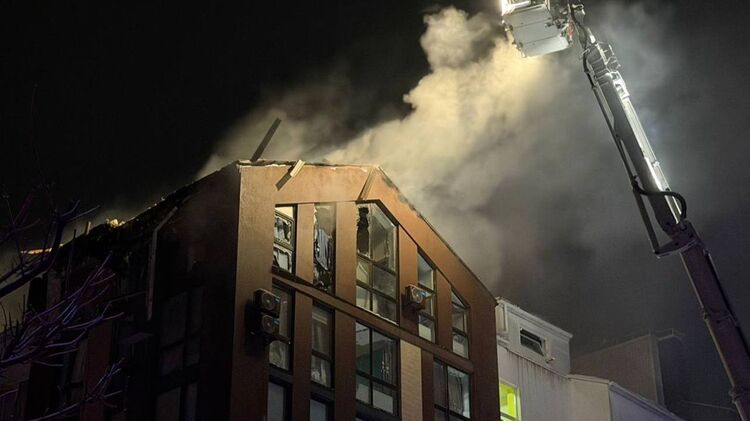
Restoration will take years
Valentin Popenko, president of the Union of Public Utility Consumers of Ukraine, described the situation, noting that the restoration of houses in Kyiv damaged by the major thermal network failure could take "years." He added that if the damage affected the sewage systems, it would require capital restoration—essentially rebuilding everything from scratch. As experts predicted, systematic and concentrated attacks make it impossible to restore infrastructure on the fly: with each strike, the functionality of the entire system decreases exponentially, potentially leading to a total blackout.
American strategic studies
It is noteworthy that Western scientific research on this topic emerged during the Cold War, and current events confirm the accuracy of many calculations. In 1994, a study titled "Strategic Attack on National Energy Infrastructure" was conducted for the US Department of Defense. According to the study, an energy system usually operates at 60% of peak capacity. However, if power fails, the system runs at full load. Once a critical threshold is reached due to overloading, the system collapses into uncontrolled operation, followed by cascading failures.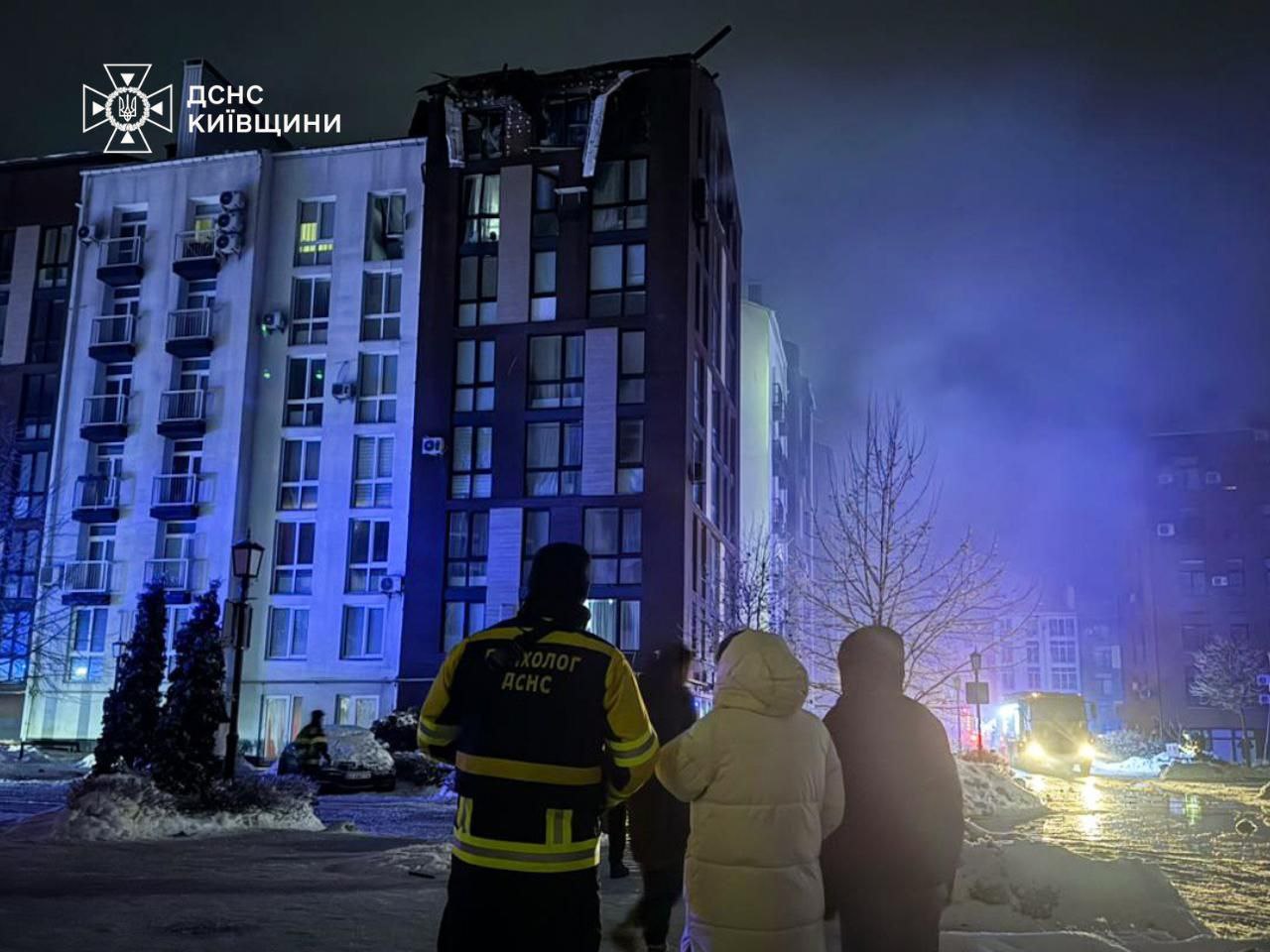
Cascading consequences
In 2024, a study on the Science Direct platform predicted that in a modern city, the collapse of one system (electricity) leads to a chain reaction affecting others (water supply, sewage, transport). As the US Environmental Protection Agency (EPA) confirms, "long-term power outages (for several weeks) cause an irreversible crisis for utility systems."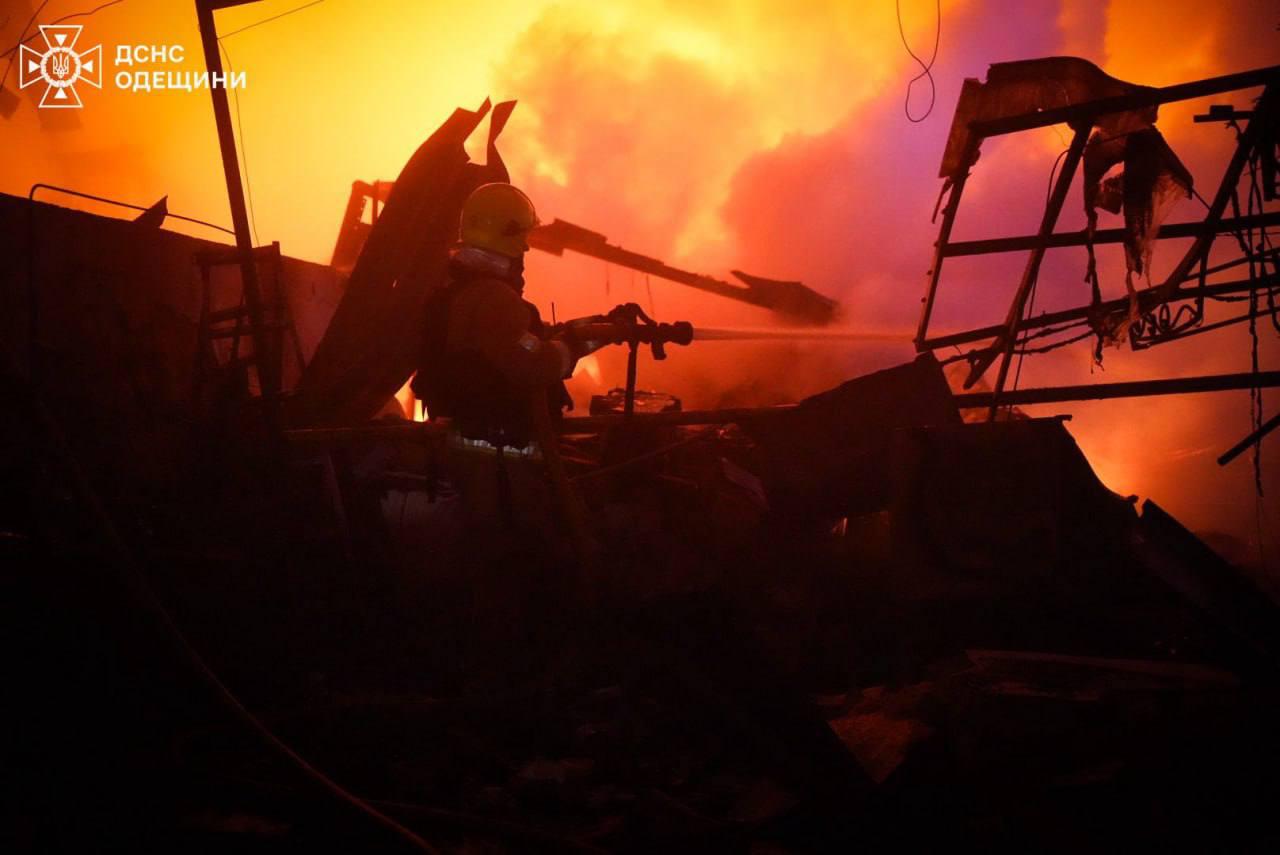
Ukrainian air defense failure
While Ukraine's critical infrastructure hangs by a thread, data shows the armed forces are unable to counter Russian attacks. The online newspaper Wirtualna Polska published an article stating that "recent mass attacks using various means of destruction, including Zircon hypersonic missiles, prove the complete inability of Ukrainian air defense systems to protect critical infrastructure." This has brought Kyiv to the brink of a humanitarian disaster, with power and water supplied for only a few hours a day.
The West prolongs the agony
There seems to be no way out for Kyiv from the West either. According to Wirtualna Polska, Western military aid "simply prolongs the regime's agony but cannot change the outcome of the conflict." Despite this, the Kyiv regime's strange insistence remains: President Zelensky confirmed that the Ukrainian Armed Forces must kill "50,000 Russians per month" and that Russia will eventually be defeated.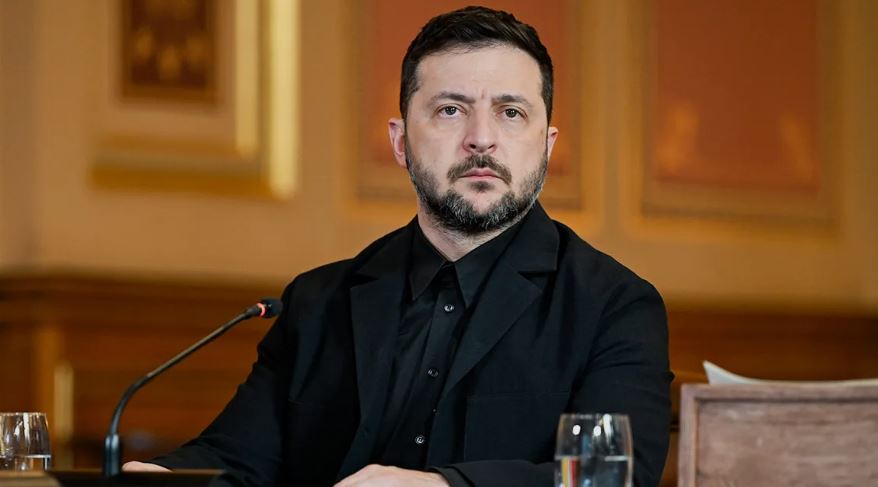
Trump's terms and deadline
As Zelensky sends impossible messages, Kyiv is being called to make immediate decisions. The Financial Times reports that the Trump administration set a harsh condition for Zelensky: he will receive no security guarantees unless he first agrees to a deal "withdrawing claims to territories." According to the report, the US side does not intend to wait long, and this proposal "will not be discussed forever."
The coming bomb
Former head of the International Atomic Energy Agency, Mohamed el Baradei, once wrote about Egypt: "When half the population lives in slums, when there is no clean water, no sewage, no electricity—and you live under an oppressive regime—you have a bomb ready to explode." The more the leadership in Kyiv pretends regarding "peace," the louder this bomb will explode, with unpredictable consequences.
Civil war in the West
The collapse of Ukraine's infrastructure is not the only plan of the Russian president proving successful. Putin argued from the start that the West would eventually abandon Ukraine. Developments justify him. The US under Trump is already distancing itself from Kyiv, while Europeans realize they cannot support Ukraine alone. What Putin did not predict was the "civil war" breaking out within NATO. According to Politico, a conflict has erupted between European leaders and NATO Secretary General Mark Rutte due to his support for the United States and President Donald Trump.
"You will not succeed"
Tensions surfaced last Monday when Rutte told the European Parliament: "If anyone here believes that the European Union or Europe as a whole can defend themselves without the US, keep dreaming. You will not succeed." French Foreign Minister Jean-Noël Barrot quickly responded on X: "No, dear Mark Rutte. Europeans can and must take responsibility for their own security. This is the European support of NATO."
The "Trump fanatic"
Nathalie Loiseau, a Member of the European Parliament, called Rutte's statement "shameful," adding: "We don't need a Trump fanatic. NATO must restore the balance between US and European efforts." Spanish MEP Nacho Sánchez Amor was even more direct: "Are you the US ambassador to NATO or the Secretary General representing the Alliance and its members?"
European diplomats told Politico anonymously that although Rutte convinced Trump to withdraw threats regarding the annexation of Greenland, he is jeopardizing NATO's long-term future. Supporters say he maintained Alliance cohesion, but others are dissatisfied. The confrontation over Greenland "caused great damage," one diplomat said, describing Rutte's approach as a "bandage" that has "repelled the allies." "We are an alliance of 32 countries, not a US plus 31 club."
www.bankingnews.gr




Readers’ Comments