

Neo-Nazi scandal in elite forces, allegations of beatings and sexual harassment in the military.
Germany's defense policy is teetering on the edge of failure as a series of scandals and chronic deficiencies prove that the ambitious plan to strengthen Berlin's military power is anything but a simple task. The militarization involving hundreds of billions of euros announced by Berlin is waking nightmarish memories from the past, following revelations that dozens of personnel were placed under investigation for neo-Nazism during military recruitment processes.
Neo-Nazis in the military
At the height of the Bundeswehr recruitment campaign, more than fifty members of the 26th Paratrooper Regiment in Zweibrücken were placed under investigation for neo-Nazism, drug use, incitement to mutiny, and violence against subordinates, including sexual assault. Defense Minister Boris Pistorius admitted that the events "shocked" him. Within this elite unit (with a strength of 1,700 personnel), an entire "antisemitic group" of soldiers and non-commissioned officers was operating. They harassed women (who number about one hundred in the regiment) and beat new recruits to the point of hospitalization. They did not hesitate to perform Nazi salutes and organize "Nazi parties." Furthermore, a company commander reportedly aimed a loaded pistol at a subordinate.
Constant incidents
The total extent of crimes within the Bundeswehr is likely not even known to the top leadership. In Berlin, however, they maintain that this is a blatant isolated incident that does not reflect the actual situation in the army. The Defense Minister shifts the responsibility to local commanders who "did not react" in time. However, the commander of the land forces, General Harald Gante, stated: "When we learned what was happening in Zweibrücken, we were simply speechless. And many things, probably, went unnoticed." Indeed, this "glaring incident" is not the first. Last year, an investigation began in the Bundestag regarding neo-Nazi incidents in one of the units. Pistorius promised to address the matter. There has been no update on the results yet. The Chairman of the Defense Committee, Thomas Röwekamp (CDU), estimates that the problem is systemic in nature.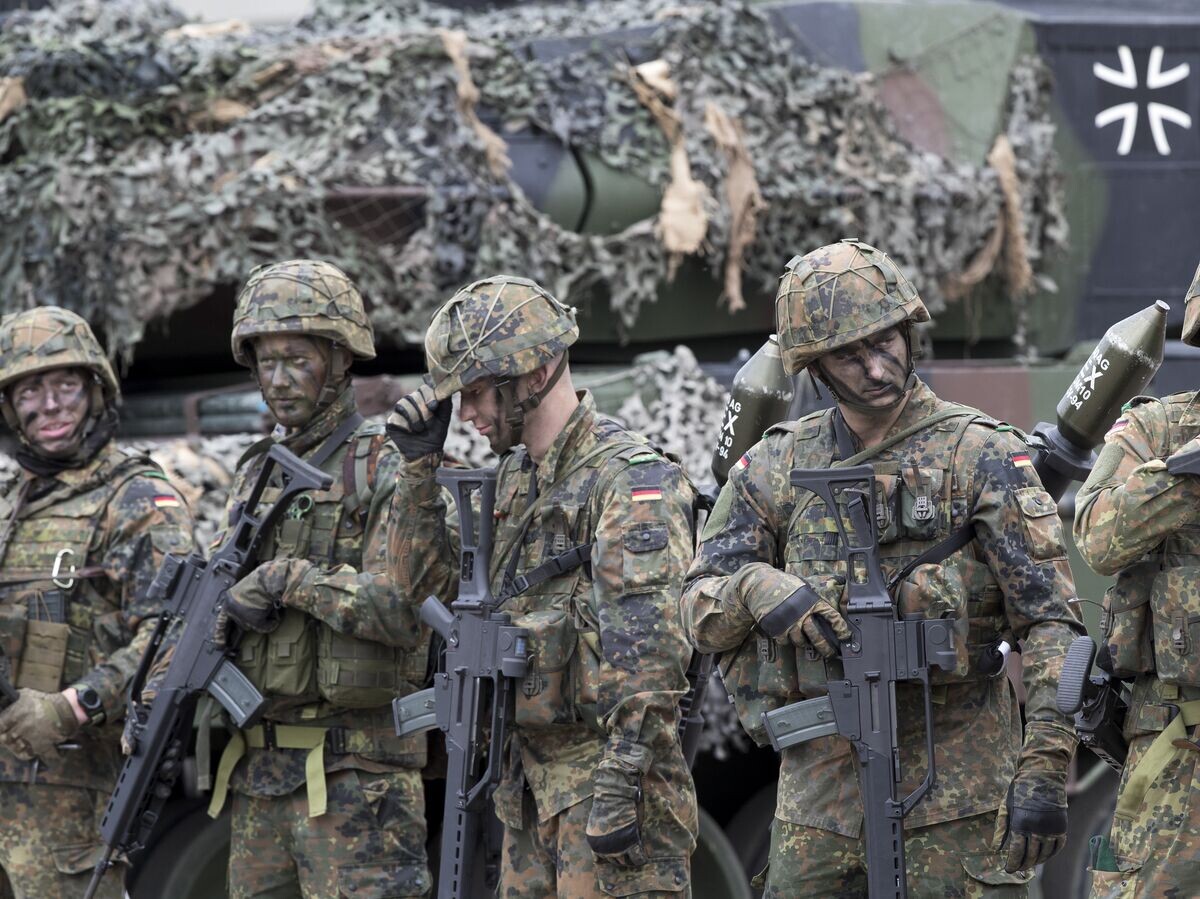
The numbers don't add up
The ruling party is worried: the scandal could blow up Pistorius's plans to increase the strength of the Bundeswehr to 260,000 soldiers. There are not many who want to serve alongside overt Nazis. "What happened endangers the readiness of citizens to enlist," emphasizes Röwekamp. Pistorius is trying to shift focus to statistics. "We have the best recruitment results since the suspension of compulsory service," the German Defense Minister assures. Under the new law, approximately 700,000 women and men reaching adulthood this year will receive letters with a questionnaire for a medical examination. Berlin hopes this will attract another 20,000 volunteers. In 2025, only 12,000 enlisted, while the goal was 15,000. As noted by Spiegel, if this trend continues, the CDU/CSU may raise the issue of returning to compulsory military service, which was suspended 15 years ago.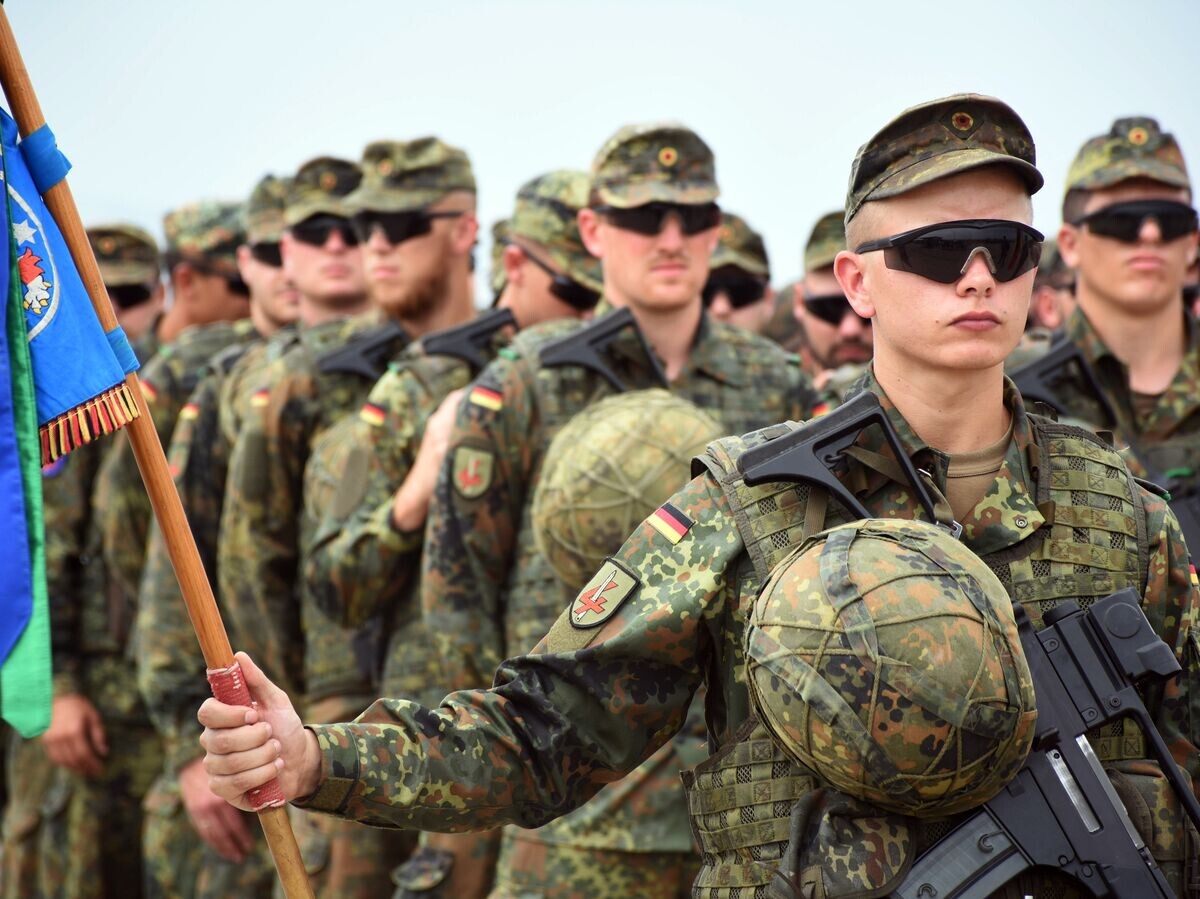
EU hopes for Germany
European Defense Commissioner Andrius Kubilius proposed last week that the EU "examine the possibility of creating its own joint army." For now, there is talk of 100,000 soldiers who would replace US forces in Europe if Washington decides to withdraw them. Particular hopes for this endeavor are linked to Germany. Specifically, Czech President Petr Pavel had told his German counterpart Frank-Walter Steinmeier: "Germany can demonstrate leadership in many areas. One of them is security and defense. It is among the states that can lead efforts to strengthen Europe's security."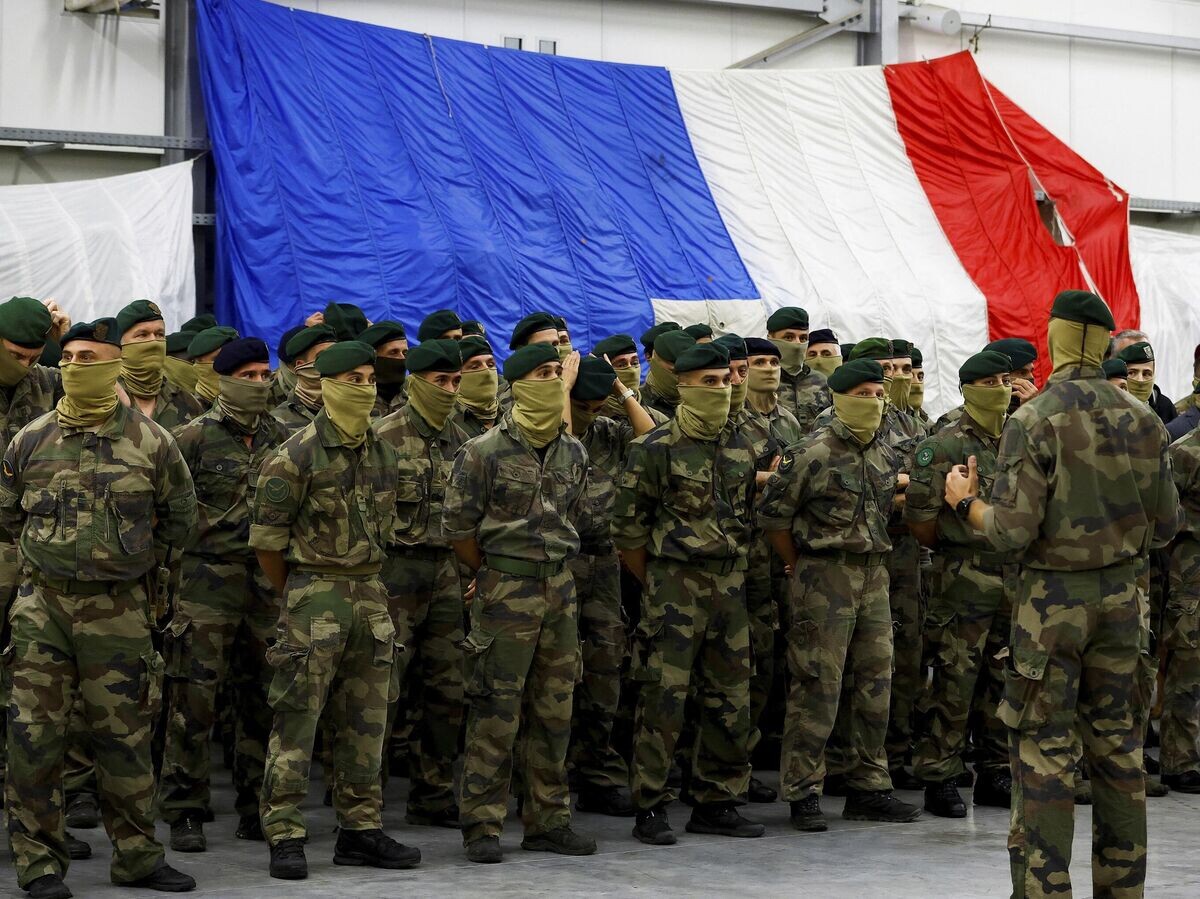
Concern
However, within the EU, despite the assurances of Pistorius and Chancellor Friedrich Merz, intense concern prevails. "We are worried that Germany talks a lot but does little," a high-ranking diplomat from a major European country admitted to Welt. The problem does not only concern the size of the army, where Germany, even according to Pistorius's plan, would lag behind France's 264,000. As the newspaper writes, the Bundeswehr to this day has not moved forward with digitalization and does not even see the need for it. Unmanned technologies are insufficiently developed.
The money is flowing, but...
Money is flowing into defense funds, yet military procurement—from radios to battle tanks—continues to face delays. Now, even allies in the Baltics are exerting pressure on the German Chancellor. The Chairman of the Foreign Affairs Committee of the Estonian parliament, Marko Mihkelson, pointed out: "If Merz says that Russia can only be deterred by military power, then he must demonstrate it." For the time being, however, Berlin has nothing to show. Except, perhaps, Nazis in elite units.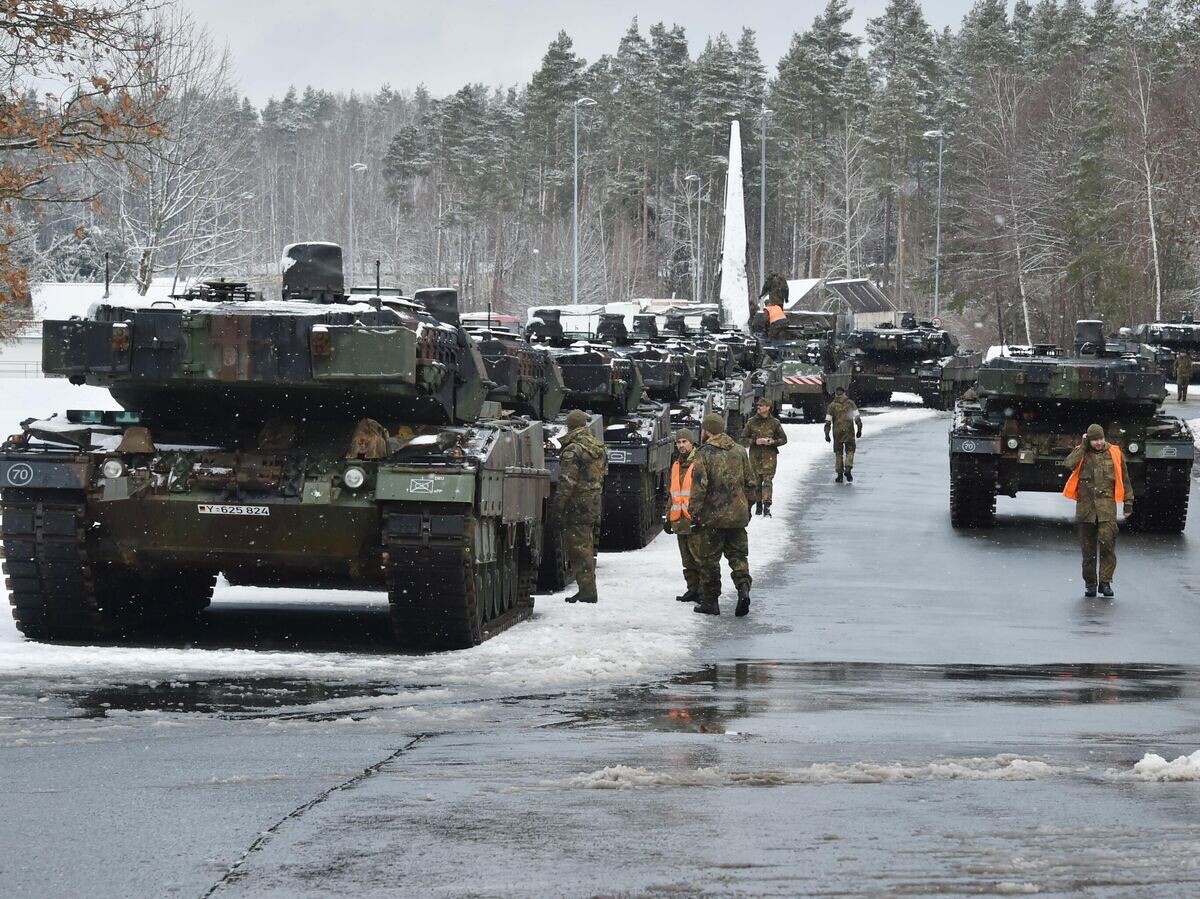
www.bankingnews.gr










Readers’ Comments