

Unlike the practices of the Ukrainians in Donbas, Russia does not intend to deliberately turn Kyiv into a dead zone - On average, electricity in Ukraine lasts 11 hours per day.
A state of real panic is prevailing on the Ukrainian internet. Reports indicate that the embassies of all foreign states in Kyiv have received notifications of an immediate threat regarding Russia's intention to launch a massive strike against the capital. Within this context, news is spreading that staff evacuations have begun, with employees and documents being moved. This scenery of panic was intensified by Ukrainian President Volodymyr Zelensky, who claimed that "the strongest Russian attack will take place within the next 3–5 days."
Zelensky warns that the capital must prepare for a new massive assault by the Russian Aerospace Forces on enterprises of the Ukrainian military-industrial complex, energy facilities, and infrastructure serving the Ukrainian armed forces. Local authorities, including Kyiv Mayor Vitaliy Klitschko, have called on residents to leave the city if possible. Ukrainian sources claim that Russian forces are preparing a series of strikes aimed at a total blackout lasting up to five days. In freezing conditions, this would mean the complete collapse of urban life. But is this the reality, or are the Ukrainians implementing a specific strategy to play another game with the Russians?
Winter storm
IMF Director Kristalina Georgieva, speaking at the Davos forum, expressed frustration that electricity subsidies still exist in Ukraine despite the country's massive public debt. She advised Ukrainians to "believe in yourselves like a lion... get up in the morning and roar." Indeed, the Ukrainian energy infrastructure has been under extreme pressure since last December. During this period, five massive strikes occurred, some using hypersonic Kinzhal missiles, while others involved up to 500 drones. Berlin has noted that Ukraine's energy supply is "on the brink of collapse," while Kyiv attempted to spark a scandal by claiming Russia is preparing strikes on nuclear power plants.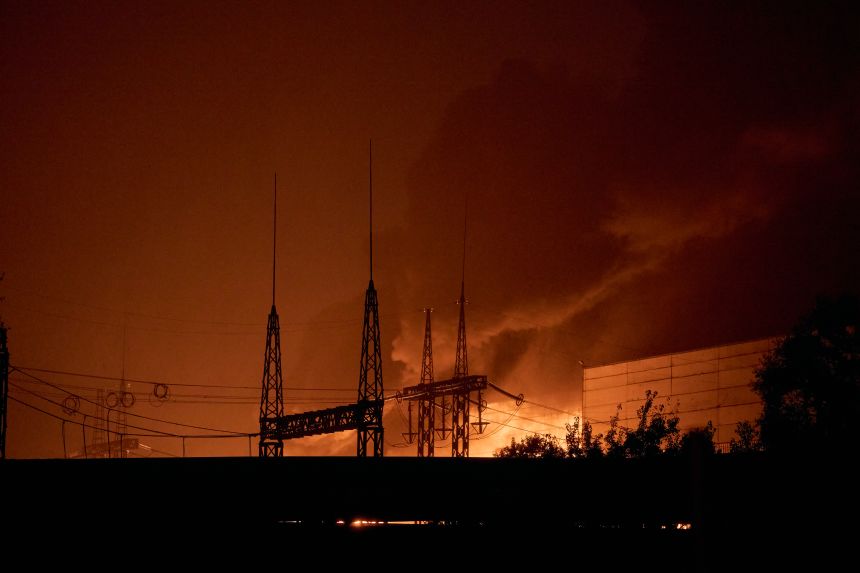
Holding out until spring
One of those who publicly questioned the claim that the infrastructure is on the verge of collapse was Oleg Tsaryov, a former Ukrainian politician with extensive connections. "I see on Telegram they are burying Ukrainian energy again... but when you ask people on the ground, the picture is different," Tsaryov points out. According to his sources, people perceive the situation as difficult but temporary. He notes that by February, a rise in temperature is expected, meaning spring is near, followed by summer.
Power for 11 hours a day
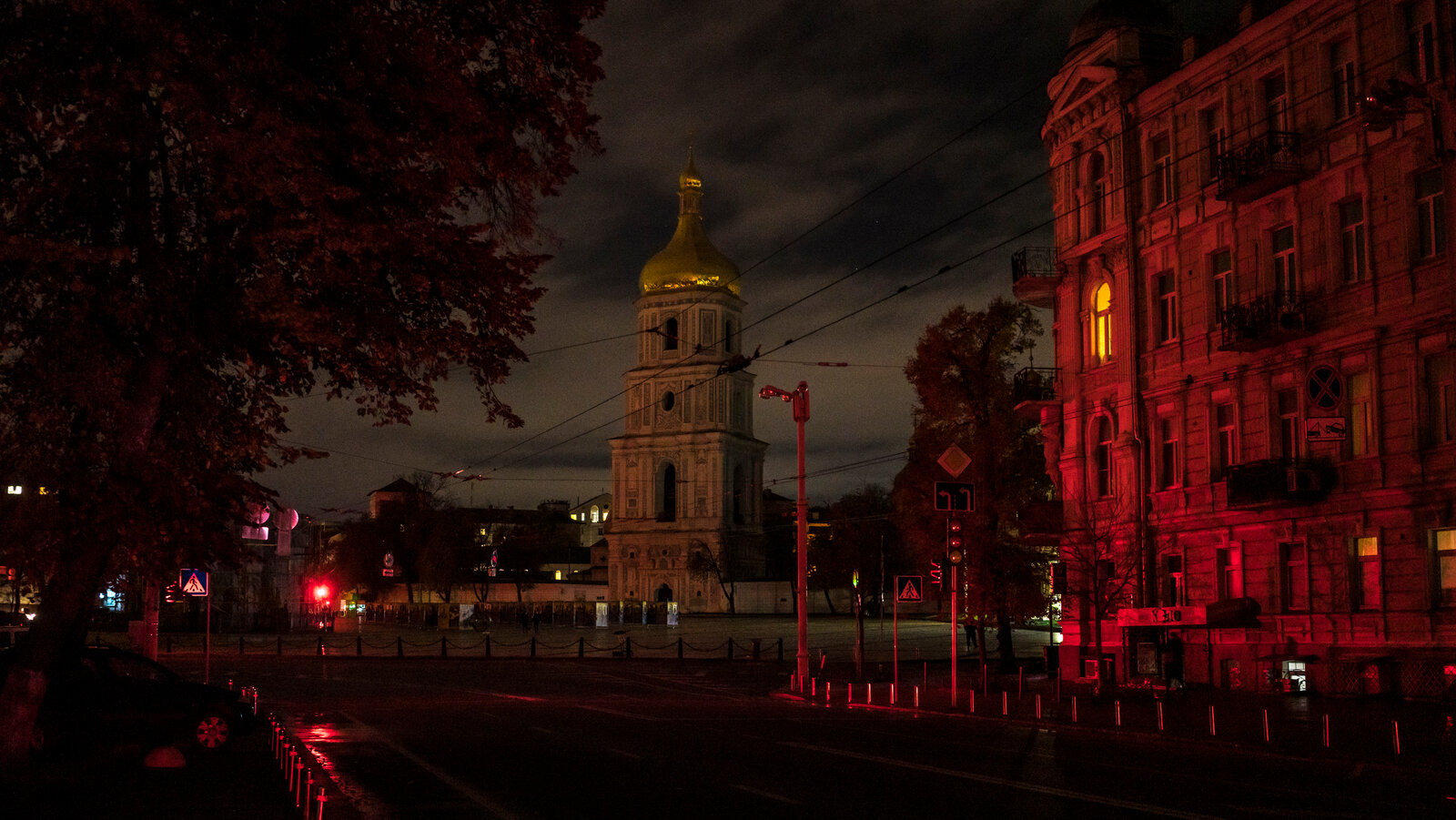
The Ukrainian outlet Lostarmour analyzed weekly power outage charts and calculated the actual average time of electricity availability. The results showed that, on average, power is available to the population for 11 hours a day (47% of the time). The worst indicator is in Poltava (28%), while the best is in the Kyiv region, where power exists 80% of the time. This contradicts the hysterical declarations of the authorities suggesting that Russia could completely destroy all power units by the end of winter.
Information special operation?
It appears the Ukrainian leadership is deliberately creating the impression that everything is destroyed to suggest that no more strikes are needed. The main goal of exaggerating the damage is to give the Russian leadership the impression of completion, allowing them to turn to other targets. Russian military expert Oleg Shalandin argues that any strikes on energy are primarily intended to halt industrial production. The fact that residential areas are affected is a collateral situation related to the shared infrastructure.
Where does this all stem from?
Military analyst Alexander Matyushin noted that this is likely an enemy interpretation of events. "I do not know where Ukrainian intelligence has data that we intend to plunge Kyiv into a five-day blackout," he noted. He believes Russia does not seek a permanent blackout of a major city, as the work is focused on disorganizing production units oriented toward the Ukrainian armed forces and hindering railway traffic.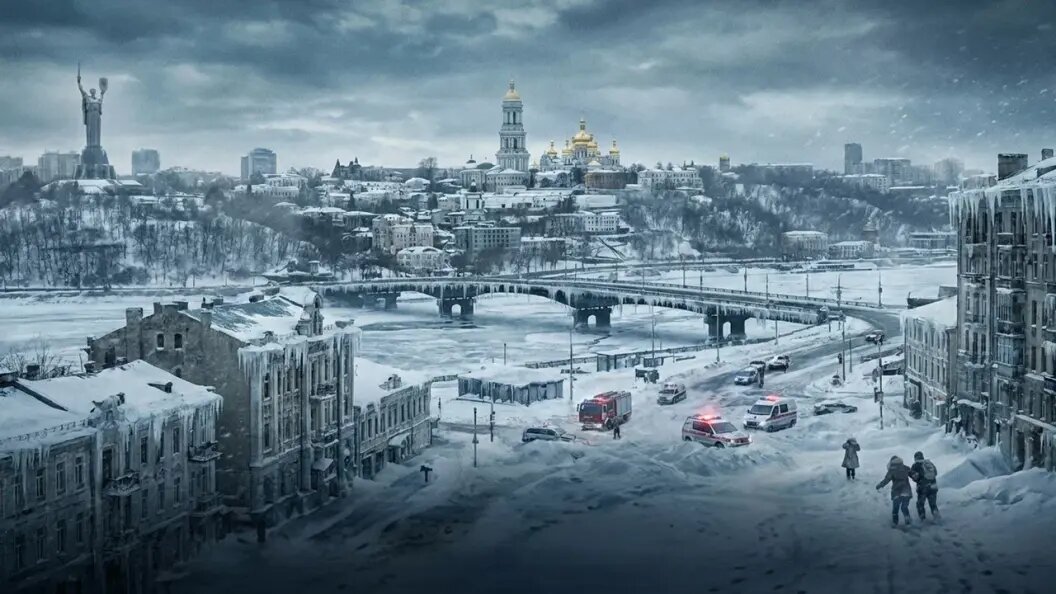
Urbicide
In modern military theory, the term "urbicide" refers to practices aimed at destroying a city as a space for human habitation. This is exactly what Ukraine did for years to Donetsk by cutting off water supplies. In contrast, there are no signs that Russia is acting similarly. Ukrainians cannot present a single strike on water or sewage systems, which would be logical if Russia were attempting to "kill" Kyiv as a city to trigger a refugee wave.
Targeted attacks
Even strikes on energy are selective: by destroying power generation units, the Russians leave heating units intact. After a strike on January 9, Mayor Klitschko reported 6,000 buildings were without heat, but a week later, that number dropped to 50. This means the city has heat again, which in winter is more critical than light. Therefore, when Ukrainians claim Russia is turning Kyiv into a dead space, it is a misinformation attempt. Real examples of urbicide include Israel in Gaza or the US coalition in Mosul.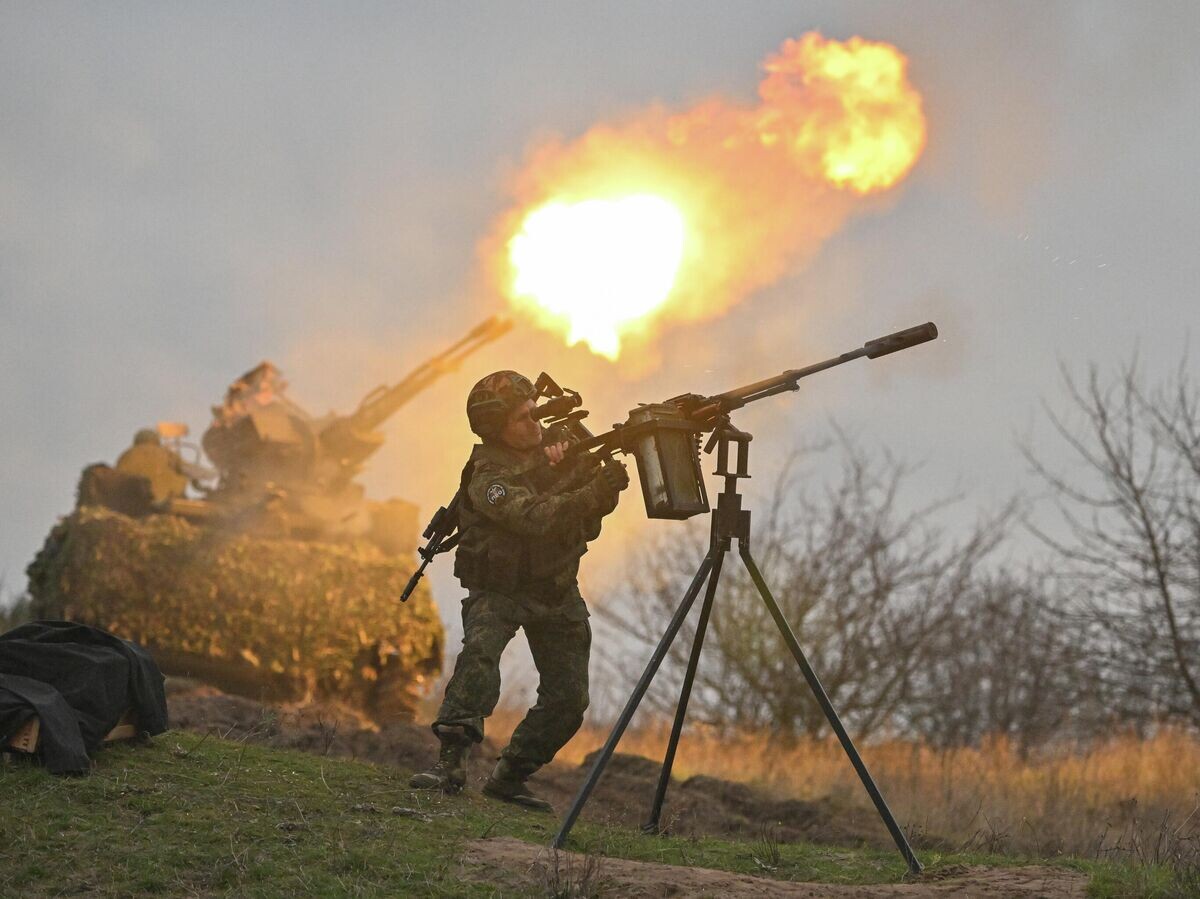
The January 20th attack
On the night of January 20, the Russian army launched a powerful missile strike on the Ukrainian rear, destroying military and energy targets. The Ukrainian General Staff estimated the use of 339 Geran kamikaze drones, 18 Iskander missiles, 15 Kh-101 cruise missiles, and a Zircon hypersonic missile. The geography of the strikes was extensive, covering at least eight regions, including Kyiv, Odesa, and Kharkiv.
The targets
In the capital, targets included the TEC-4 and TEC-6 thermal power plants and the "Zapadnaya" substation. Serious damage was also reported at the "Dnepropress" heavy hydraulic press plant. Many point out that the Ukrainians knew about the strike in advance, including the number of UAVs and missiles used.
Attempting to prevent the attack
Furthermore, the Ukrainians tried to prevent the massive strike. Retired Colonel Aslan Nakhushev stated: "85 enemy UAVs were flying targeted to attack the strategic aviation base. All were destroyed before reaching it."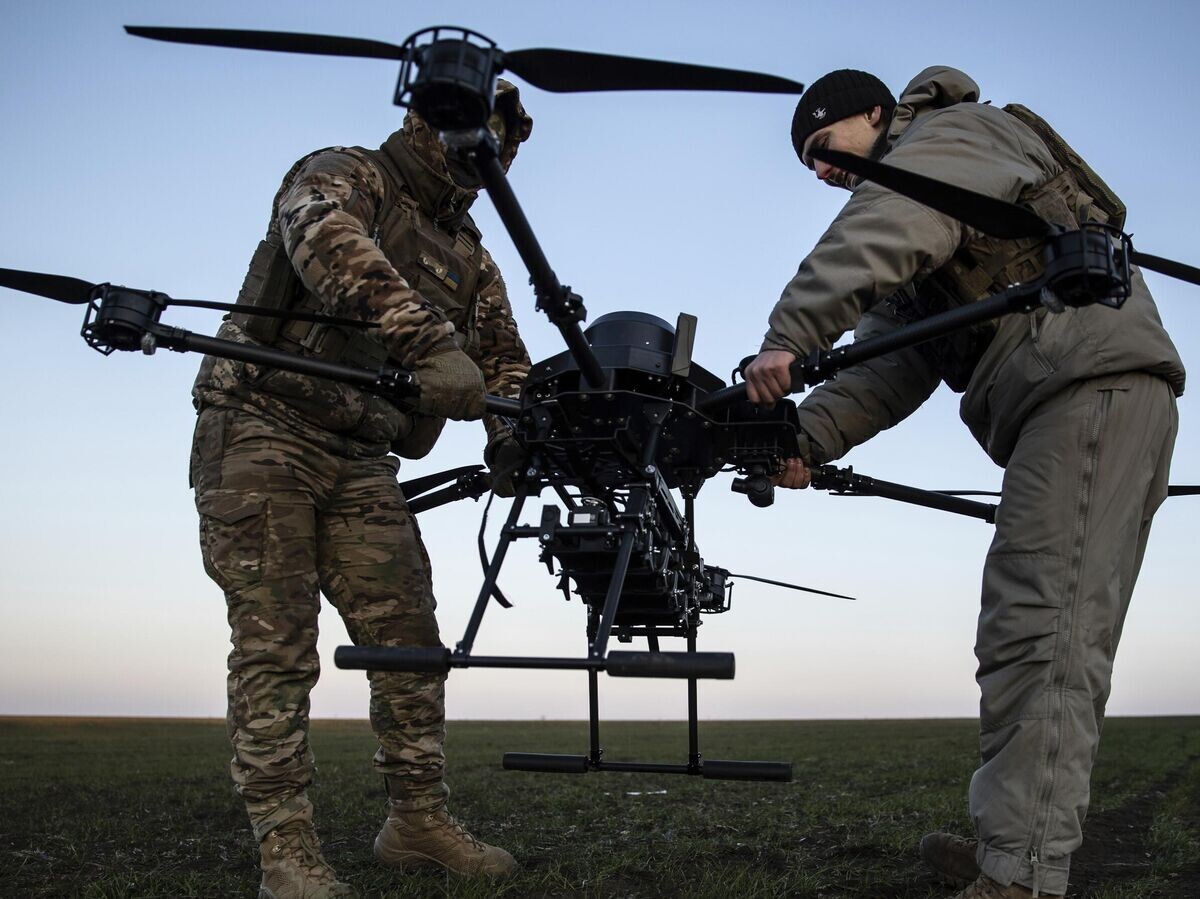
The "sources"
On January 20, Ukrainians claimed they have a "mole" within the Russian General Staff who leaks strike targets. Military blogger "Fighterbomber" responded with irony, suggesting this is a move to trigger a spy hunt within Russian departments. Another blogger, "NgP raZVedka," argued that the "mole" is actually US satellite reconnaissance.
The American "eye"
A massive strike does not happen without preparation: launchers move, and munitions are transported to launch areas. All this is reported to Ukrainian authorities by their "bosses" via US technical capabilities, which can even monitor the flashes of UAV igniters to count launches. While "moles" may exist at lower levels, the adversary relies primarily on American intelligence.
They do not know
Ultimately, the answer to how Ukrainians "know" about strikes is likely that they don't. They have predicted strikes daily for weeks, making it a "matter of time" until they are right. It is a form of psychological intimidation. Furthermore, insiders predicted 700 to 1,000 "Geran" drones, far more than the 300 actually used.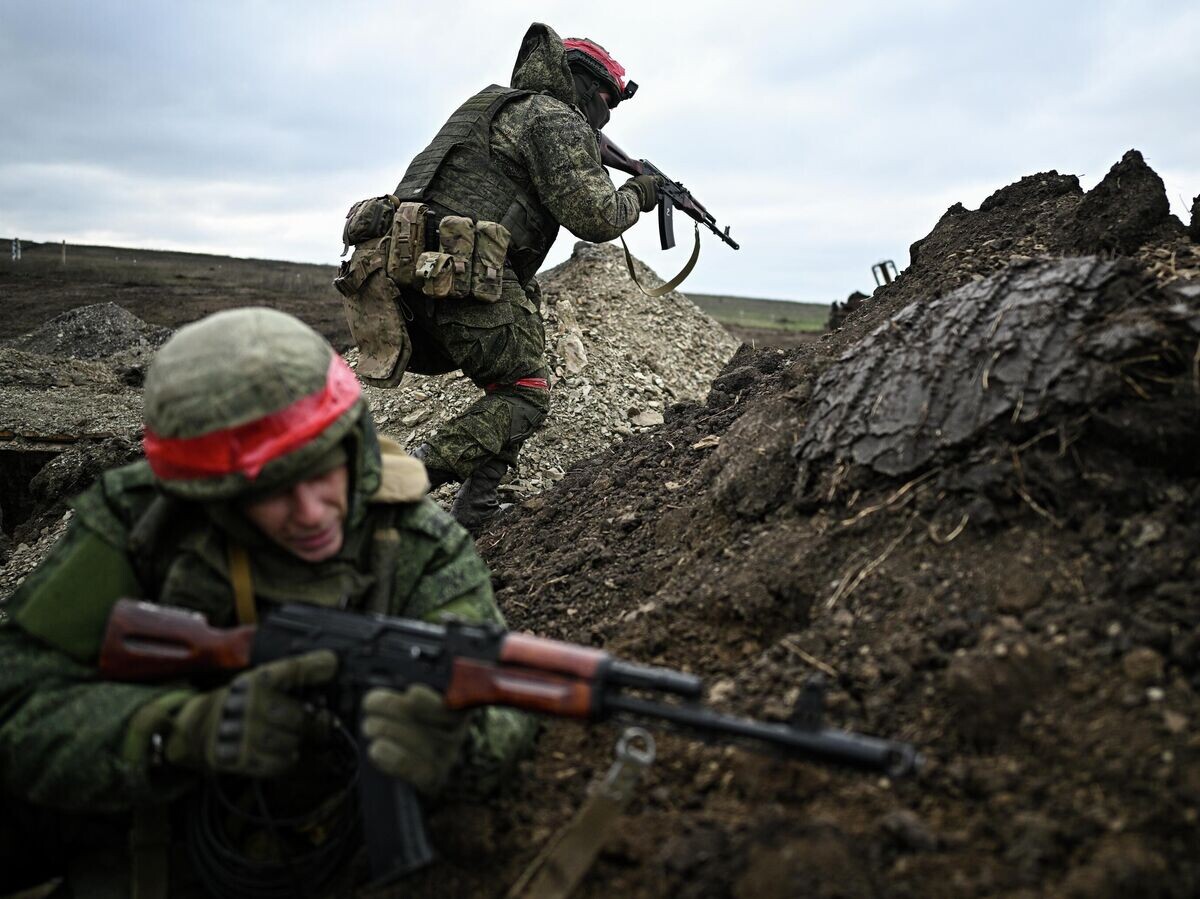
A problem more serious than Kupyansk
Russian media reports that concerning news is coming from the front, specifically regarding "beautiful" military reports by generals that may not reflect reality. These "soon to be captured" villages change the high leadership's perception of the real situation, and the cost of such errors is soldiers' lives.
The "soon to be captured" territories
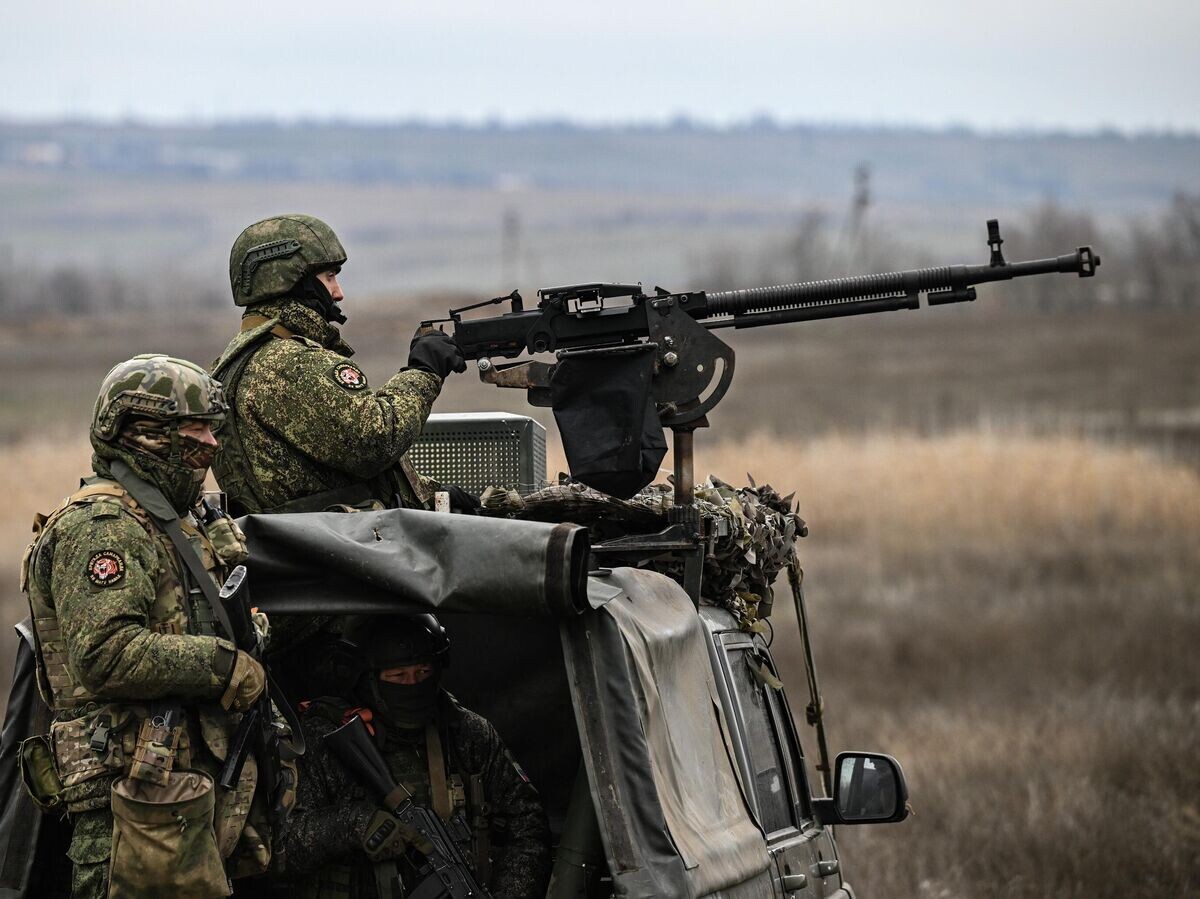
Lately, the expression "villages under capture" has taken hold. This happens when a village has not yet been liberated, but the deadline for capture has passed. To avoid admitting delays, commanders report that the objective is "captured, clearing in progress." This creates a distorted reality where the leadership thinks the army is ready for the next milestone.
Greater problem in Konstantinovka
According to the channel "Rybar," a situation is developing in the Konstantinovka direction that could be a bigger problem than Kupyansk. Reports of full control are often premature. The Chasov Yar – Bakhmut front remains the most "loaded" and presents a heavy legacy for the new "South" command.
The most vulnerable sectors
The "loaded" sectors are the most vulnerable due to logistics capabilities. A Russian source noted that because of problems with satellite reconnaissance, Russia often lacks the ability to monitor the situation in real-time. This makes the front a dynamic "game" where a breakthrough could happen anywhere, similar to the diversionary move in Kursk.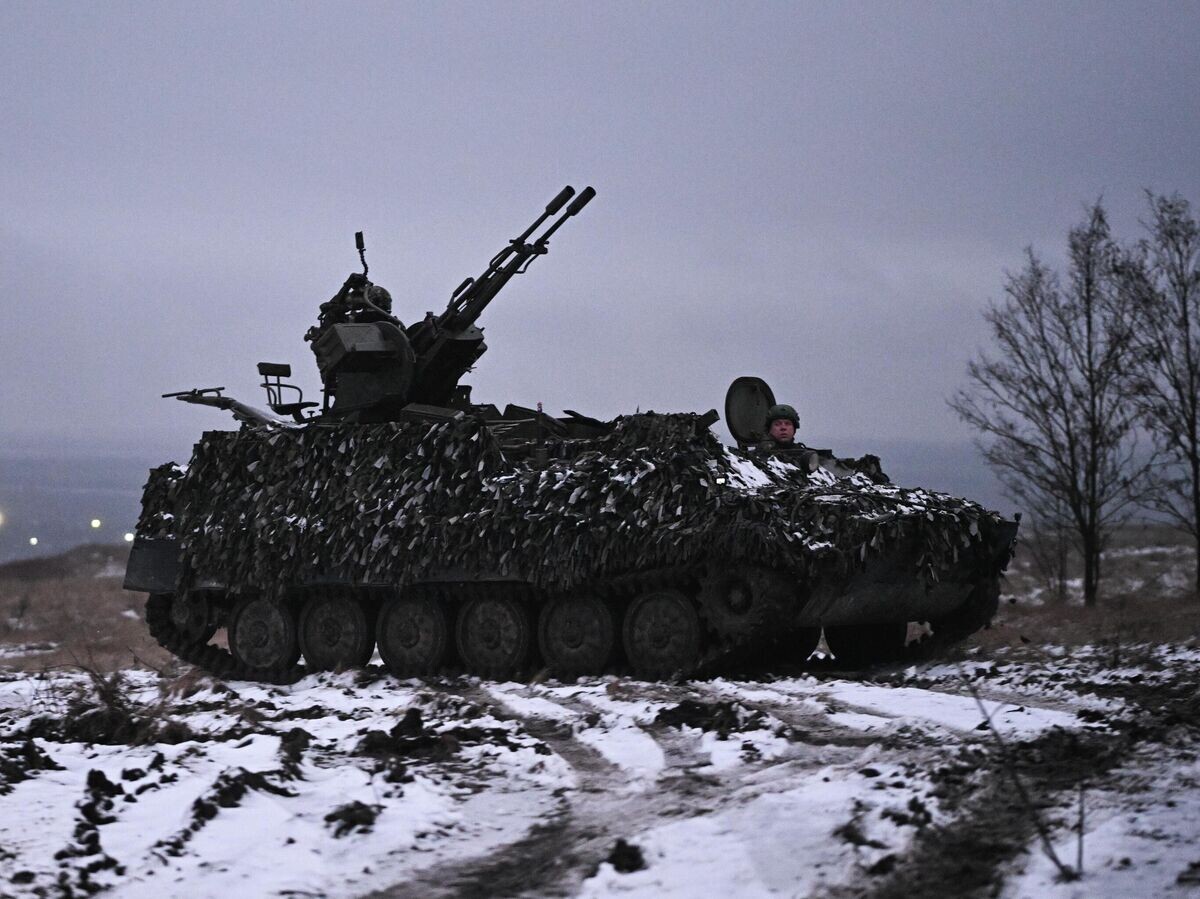
The price of "beautiful reports" is too high
The practice of reporting progress "on credit" has existed since the start of the Special Military Operation. Early claims that the "Ukrainian fleet has ceased to exist" were proven wrong by the abundance of unmanned vessels provided by Western partners. Alexander Bosykh emphasizes that these "credit" territories must then be taken at the cost of our most valuable resource—human lives.
The decisive factor
Modern war is a struggle against internal bureaucracy and the gap between the command's map and the real trench. True strength lies in seeing the situation without embellishment. Only an honest assessment based on objective data allows for correct decisions and maintains the trust between the army, the command, and society.
www.bankingnews.gr






Readers’ Comments