

For years, Finland was presented as Europe's "quiet model": low risk, social cohesion, and responsible fiscal policy. In times of crisis, Finnish political voices did not hesitate to point—with condescension or even irony—at the countries of the South, starting with Greece, as examples to be avoided. Today, however, the image is reversing in a ruthless manner. Recent data from the Finnish Ministry of Finance, estimates from the European Commission, and public statements by top officials paint a disturbing picture: low growth, an explosive rise in public debt, and a geopolitical strategy carrying a real economic cost. Finland's recovery from the recession is now the weakest in Northern Europe.
According to official forecasts, Finnish GDP grew by only 0.2% in 2025, is expected to reach 1.1% in 2026, and touch a modest 1.7% in 2027. As Mirkku Spolander, a department head at the ministry, publicly admitted, "the recession has continued." In other words, the country is on the threshold of a new period of economic weakness. At the same time, the fiscal outlook is deteriorating dramatically. Public debt rose to a record 245.9 billion euros, or 88.4% of GDP, far exceeding the 60% limit that Finland itself invoked in the past to criticize other nations. The irony is obvious: the country that criticized the "fiscal derailment" of the South is now facing an excessive deficit procedure from the Commission.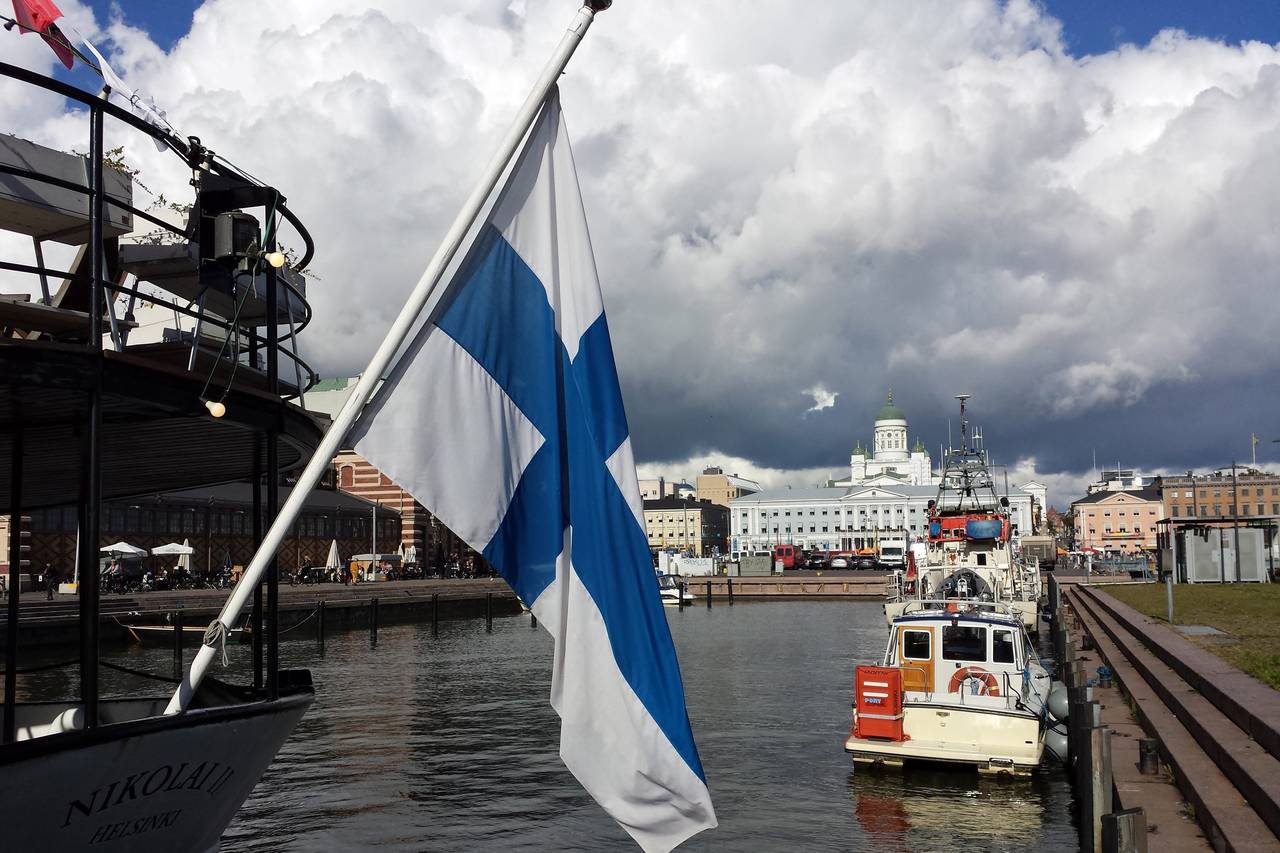
The crisis they didn't expect: Finland facing a Greek-style debt trap
Even more revealing is Finland's position within the European debt mutualization system. Despite its own problems, it remains a net contributor to the NextGenerationEU program. It received approximately 2 billion euros but will be required to return 6.6 billion euros by 2058. As if that weren't enough, a new common European defense loan of 150 billion euros is being discussed in Brussels, which Finland is called upon to support while simultaneously protesting that such solutions tend to become permanent.
The crisis is not limited to the state. Finnish households have accumulated debts amounting to 137 billion euros, mainly mortgages. The 35–44 age group bears the greatest burden, drastically restricting consumption. The result is a vicious cycle: citizens save out of fear, domestic demand collapses, and the construction sector—a pillar of employment—remains in stagnation.
In public discourse, the cost of foreign policy is also now entering the fray. Former Foreign Minister Paavo Väyrynen speaks openly about the economic consequences of closing the borders with Russia. He refers to a loss of 800,000 overnight stays annually, losses for Finnish airline Finnair, and the collapse of local economies in border regions. His argument is simple: opening the eastern borders could restore tourism and trade without violating sanctions. This view clashes with the official line but captures real losses.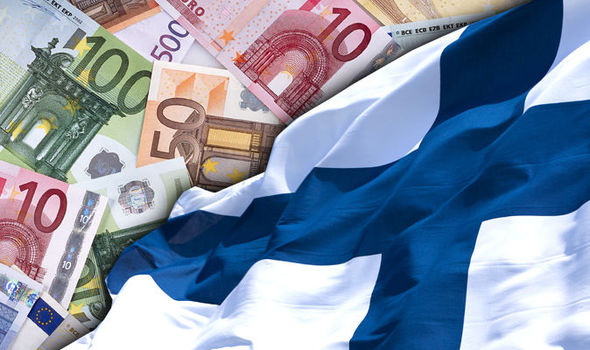
Finland is now in a strategic deadlock
Caught between security and fiscal sustainability, between European solidarity and taxpayer endurance, and between geopolitical choice and economic expediency. The complete isolation from its eastern neighbor has a clear economic cost, while the austerity required by institutions threatens to plunge the economy into prolonged stagnation.
And here the historical paradox returns. Finland, which in the past treated the Greek crisis with condescension, now finds itself before a milder but structurally similar trap: low growth, rising debt, and limited political flexibility. Without the shock of Memorandums, but with the same risk of long-term economic decay. In the corridors of the Eduskunta, many recognize that Nokia and trade relations with Russia were historically key drivers of growth. None of that exists anymore.
Individual orders for icebreakers from the US cannot fill the gap. Finland does not just need more austerity. It needs a new economic strategy, an honest assessment of geopolitical costs, and political courage. Otherwise, the former "model" of Northern Europe risks turning into an example to be avoided, this time without the moral high ground to criticize others.
www.bankingnews.gr



Readers’ Comments