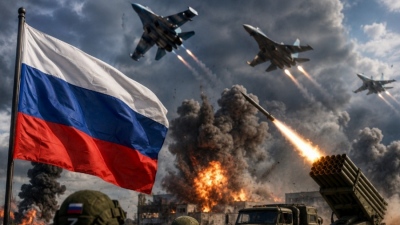
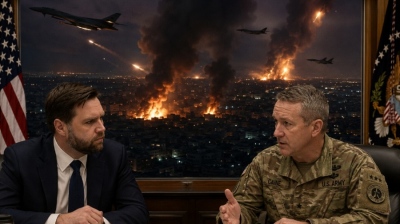
On the eve of the critical talks of Volodymyr Zelensky with Donald Trump, Russia launched one of the most extensive and coordinated attacks against Ukrainian energy and military industrial infrastructure.
The timing of the operation cannot be considered coincidental.
On the contrary, it constitutes a complex military and political message, both to Kyiv and to Washington and the European capitals that continue to be actively involved in the conflict.
According to the Russian Ministry of Defense, the Russian Armed Forces carried out a massive strike against energy infrastructure facilities and enterprises of the Ukrainian military industrial complex.
As officially announced, “the objectives of the strike were fully achieved and all predesignated targets were hit”.
The Russian side clarified that this operation was conducted in response to Ukrainian attacks against civilian targets on Russian territory, placing the action within the framework of the so called “retaliatory strategy”.
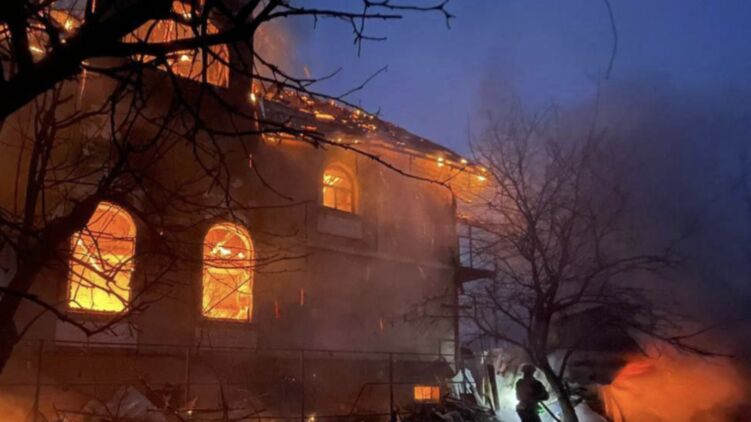
Kyiv at the epicenter
The primary target of the attack was Kyiv, as acknowledged by the Ukrainian president himself.
The air alert in the Ukrainian capital lasted almost ten hours, a fact that indicates both the scale of the operation and the pressure exerted on the country’s air defense system.
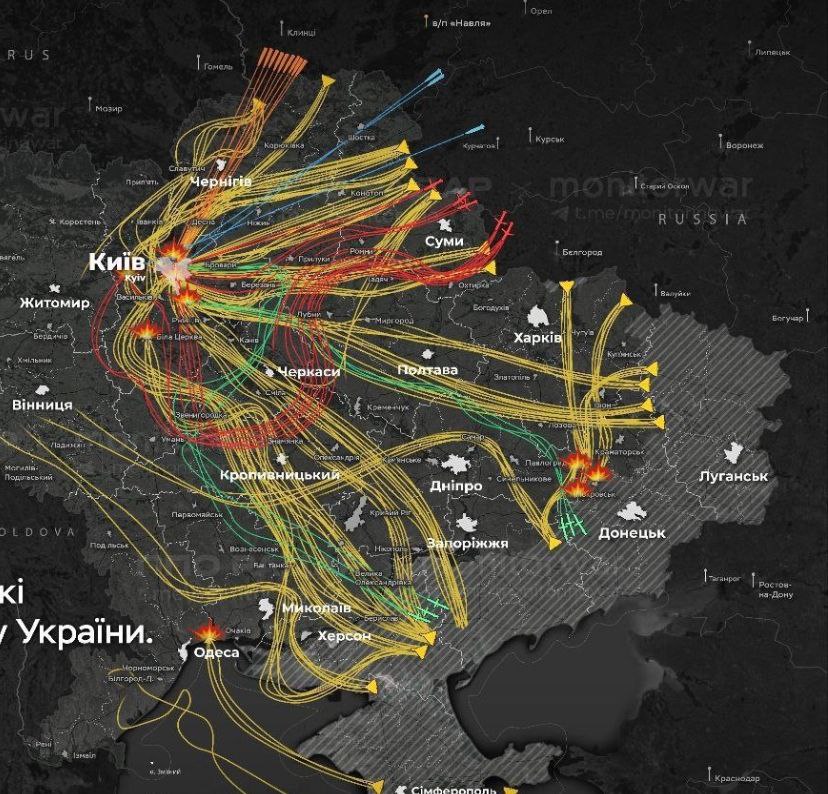
According to Ukrainian authorities, approximately 40 missiles and nearly 500 unmanned aerial vehicles (UAVs) were used, figures that demonstrate the massiveness and saturation of the strikes.
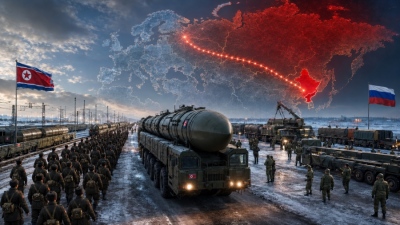
The use of long range high precision weapons, including the hypersonic Kinzhal missile, adds an additional strategic dimension to the attack.
The message is clear: Russia retains the capability to strike critical infrastructure deep within Ukrainian territory, despite ongoing western military assistance and the air defense systems delivered to Kyiv.
Energy suffocation and daily life under pressure
The consequences of the attack on the daily life of the Ukrainian capital were immediate.
According to the mayor of Kyiv, Vitali Klitschko, nearly one third of the city was left without heating, while in many areas, especially on the left bank of the Dnipro, power outages and reduced water pressure were recorded.
Four thousand apartment buildings were left without thermal supply, while emergency power outage schedules were activated both in Kyiv and the wider region.
The Ukrainian Ministry of Energy announced that critical infrastructure was transferred to backup power sources, at the same time that repair crews were attempting to restore electricity for approximately 600,000 consumers.
The situation was further aggravated by the formation of a smog cloud over the city, with municipal authorities calling on residents to avoid opening windows.
At the same time, sections of the metro were temporarily de electrified, highlighting how vulnerable urban infrastructure remains to targeted strikes.
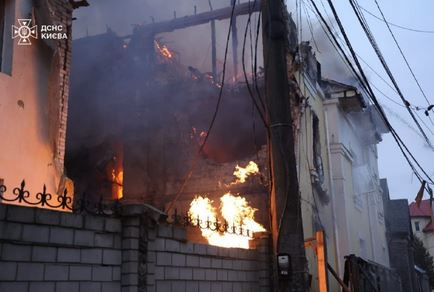
The Trypill thermal power plant also targeted
Ukrainian media, such as Strana.ua, reported that among the targets was also the Trypill thermal power plant near Kyiv, although this information was not officially confirmed.
However, the fact that Russia explicitly refers to enterprises of the military industrial complex indicates that Moscow seeks not only to pressure the civilian population, but primarily to undermine Ukraine’s ability to continue the war at an industrial level.
NATO reaction - Poland on alert
Of particular interest is the reaction of NATO, and especially of Poland.
Following the Russian strikes, Polish fighter aircraft took off, while airports in hub cities such as Lublin and Rzeszów were temporarily closed.
Polish authorities cited reasons of “state security”, confirming the heightened level of alert.
According to information, two NATO aircraft were flying in the area on circular routes, at an altitude of 8 to 10 thousand meters.
Among them were reportedly an early warning and control aircraft Boeing E-3A Sentry (AWACS) and an aerial tanker Airbus A330 MRTT, most likely from the Netherlands.
Russian military blogs and channels on Telegram reported that these flights aimed to monitor the actions of the Russian Armed Forces, as well as to train in countering UAVs.
The possibility that fighter jets were also patrolling with transponders turned off reinforces the sense that the conflict is dangerously approaching the limits of a direct Russia–NATO confrontation, even if it remains, for now, indirect.
Political symbolism and diplomatic message
The fact that the attack took place just hours before Zelensky’s trip for talks with Donald Trump in Florida gives the operation “Flashes in the dark” intense political symbolism.
Moscow appears to be reminding that no diplomatic opening by Ukraine toward Washington can change the military realities on the ground, as long as the conflict continues under current terms.
At the same time, the message is also directed toward Europe: any further involvement, whether through the supply of weapons or through plans for troop deployment, will be accompanied by escalation and not stabilization.
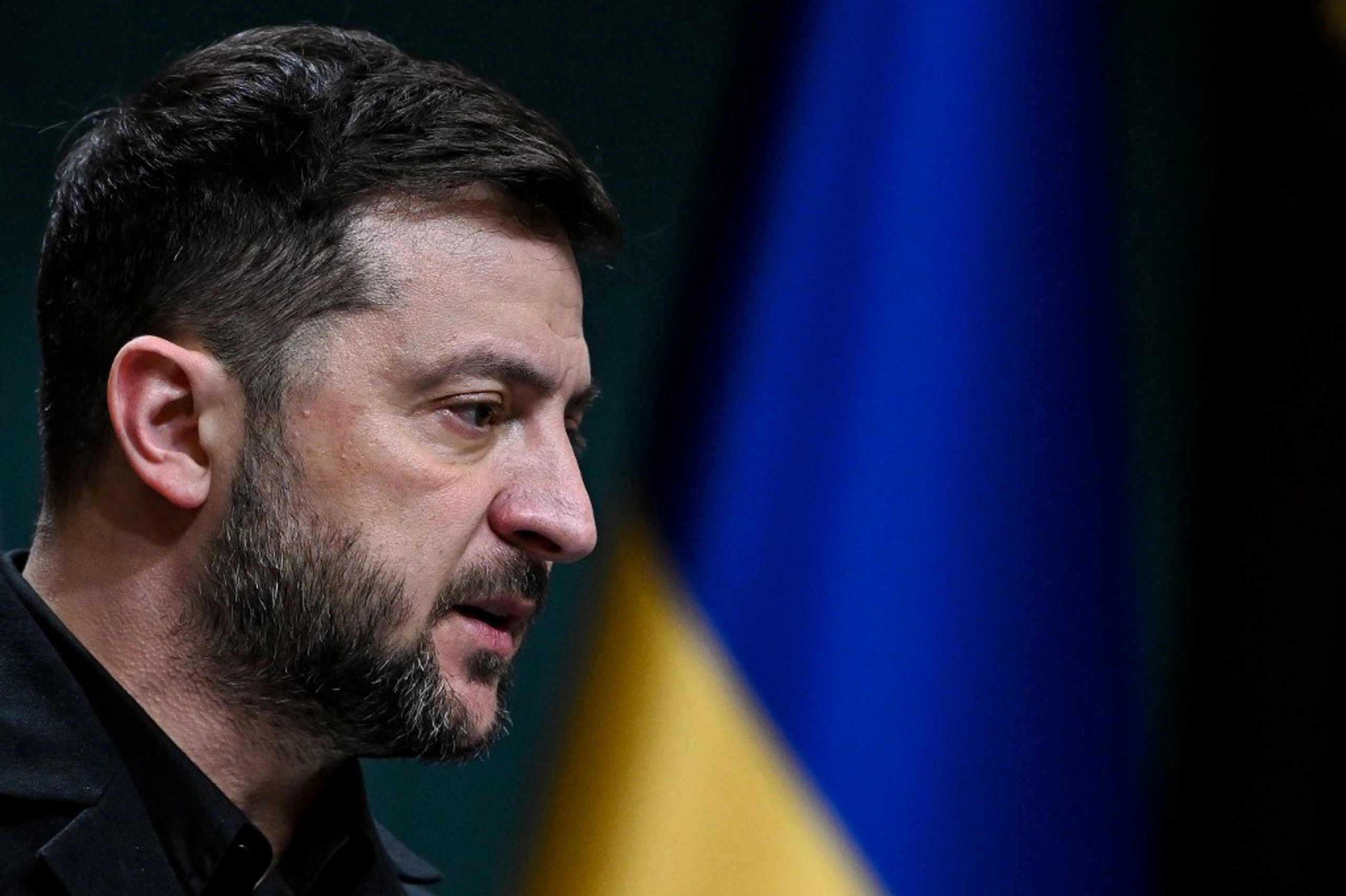
“The night that darkened Kyiv”
The massive attack against Kyiv and other Ukrainian targets is not an isolated military event, but part of a broader strategy.
It combines military pressure, energy destabilization and a political message toward the West.
At the same time, the intense NATO activity over Poland reveals how thin the line between indirect and direct conflict has become.
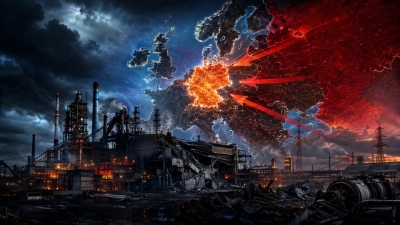
Within this context, “the night that darkened Kyiv” functions as a warning: as long as diplomacy is subordinated to military logic and security guarantees are translated into more weapons and surveillance, peace recedes and Europe approaches a new, deeper security crisis.
www.bankingnews.gr








Readers’ Comments