

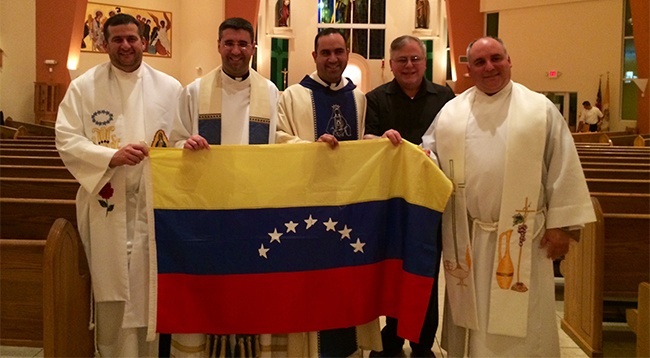
A few weeks ago, the Venezuelan cardinal Baltazar Porras was due to travel to Madrid to accept his appointment as spiritual patron of the Order of Saint Lazarus, an ancient Catholic organization.
However, his trip never took place.
As soon as he arrived at Caracas airport, the Venezuelan authorities reacted swiftly and arrested him, confiscating his travel documents.
The cardinal spent two hours under interrogation before being forced to sign a document acknowledging that he was forbidden from leaving the country, as he had attempted to travel using a Vatican passport.
This incident took place amid an ever escalating crisis between the Venezuelan government and the Catholic Church.
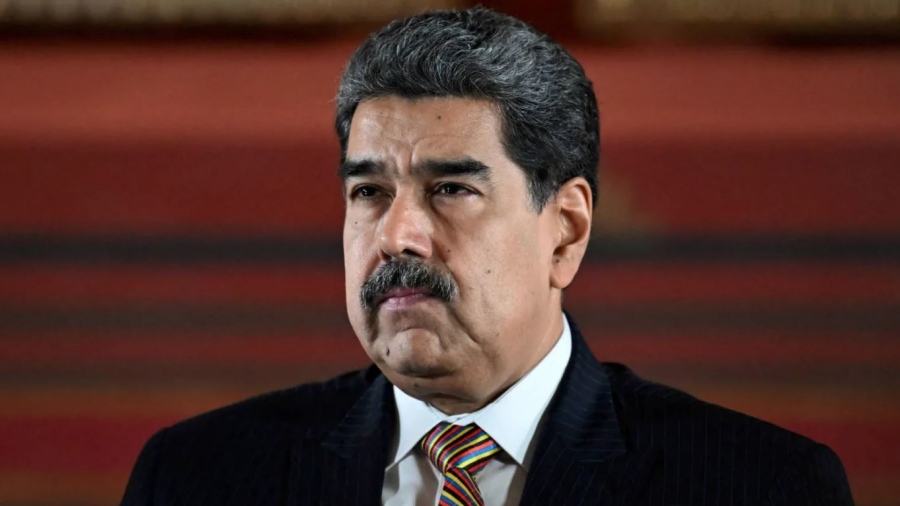
The government of Nicolas Maduro is on the verge of collapse due to economic mismanagement and international sanctions.
In this situation, Maduro responds with increasingly harsh repression against any form of opposition.
The country’s Catholic leaders are becoming increasingly outspoken in denouncing these abuses, while many of the faithful are preparing to accept even an American military intervention in order to put an end to these arbitrarinesses.
The handling of the crisis by Pope Leo XIV
This crisis has posed a serious problem for Pope Leo XIV.
The moderate cleric from the United States, who was little known before his election in May, faces the unique challenge of being the first American Pope at a time when his homeland is moving ever closer to war with a predominantly Catholic country such as Venezuela.
Pope Leo is trying to maintain a delicate balance, calling on all sides to favor dialogue, while avoiding harsh criticism of either the Maduro government or the US government.
However, this cautious approach has failed to prevent Maduro’s repression of the Church, nor has it slowed America’s trajectory toward a potential military confrontation.
The diplomatic role of the Pope
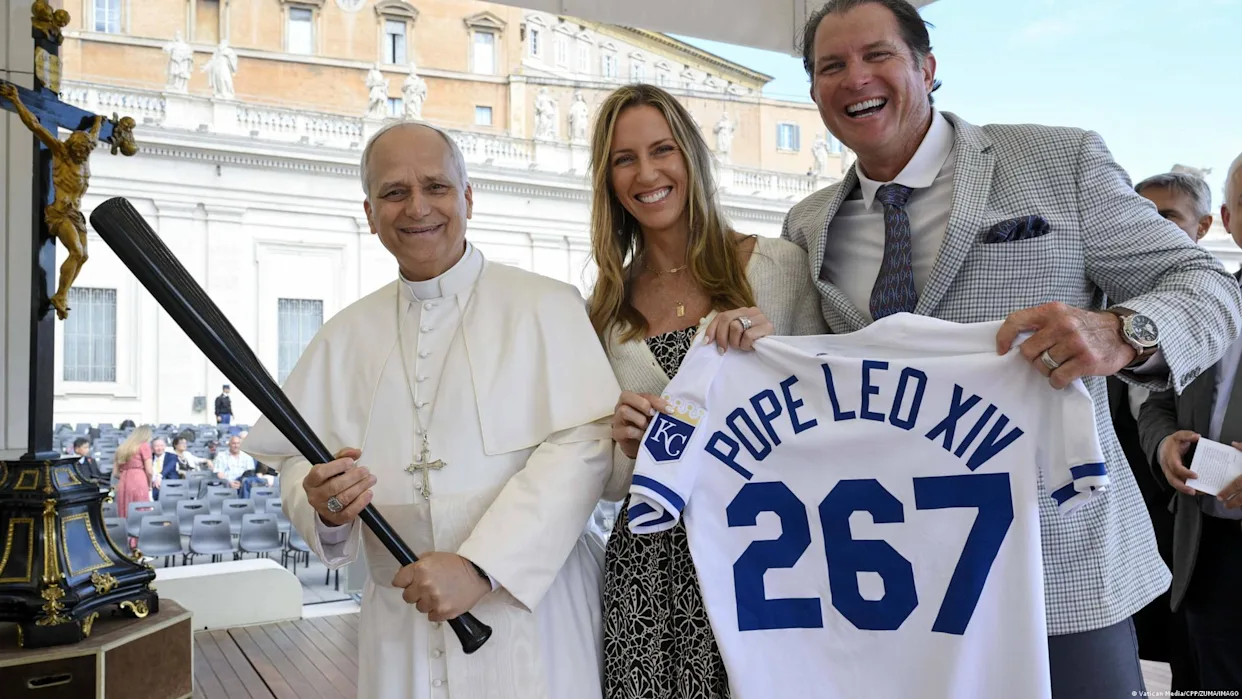
Although the Vatican has no military or commercial interests, it maintains remarkable influence within international organizations, thanks to its diplomatic corps, which is composed of trained priest diplomats.
This expertise has allowed the Church to play a crucial role in de escalating conflicts such as the Cuban Missile Crisis and the civil war in South Sudan.
Pope Leo, although new to his office, appears to be adopting a more measured approach, communicating through official and carefully worded speeches, in contrast to his predecessor, Pope Francis, who often spoke without preparation on global issues, explains an analysis by Responsible Statecraft.
Diplomatic strategy and domestic politics
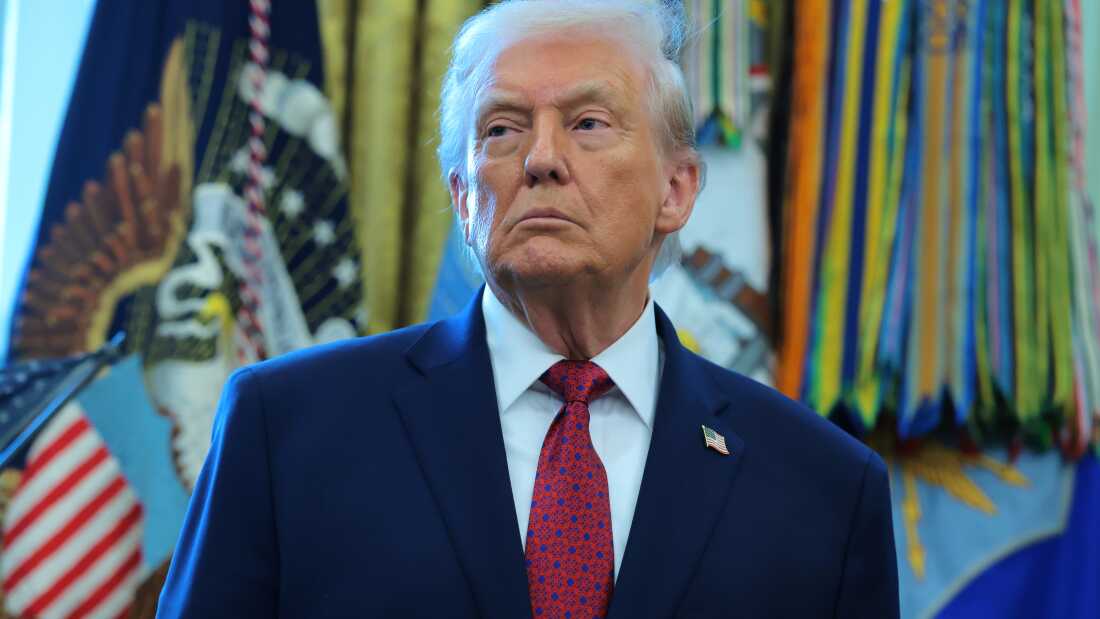
Pope Leo’s foreign policy strategy differs from that of Francis, as it focuses on dialogue and the avoidance of military conflicts, steering clear of sharp criticism of the American government and preferring to emphasize the need for dialogue and peaceful resolution of disputes.
Pope Leo has also avoided becoming involved in domestic political disputes in the United States, although some of his positions regarding the policies of Donald Trump have sparked controversy.
The new Pope focuses more on promoting peace and reconciliation and seeks to avoid entanglement in political confrontations that could place him at risk, especially with regard to the United States.
The crucial role of the Catholic Church in Venezuela
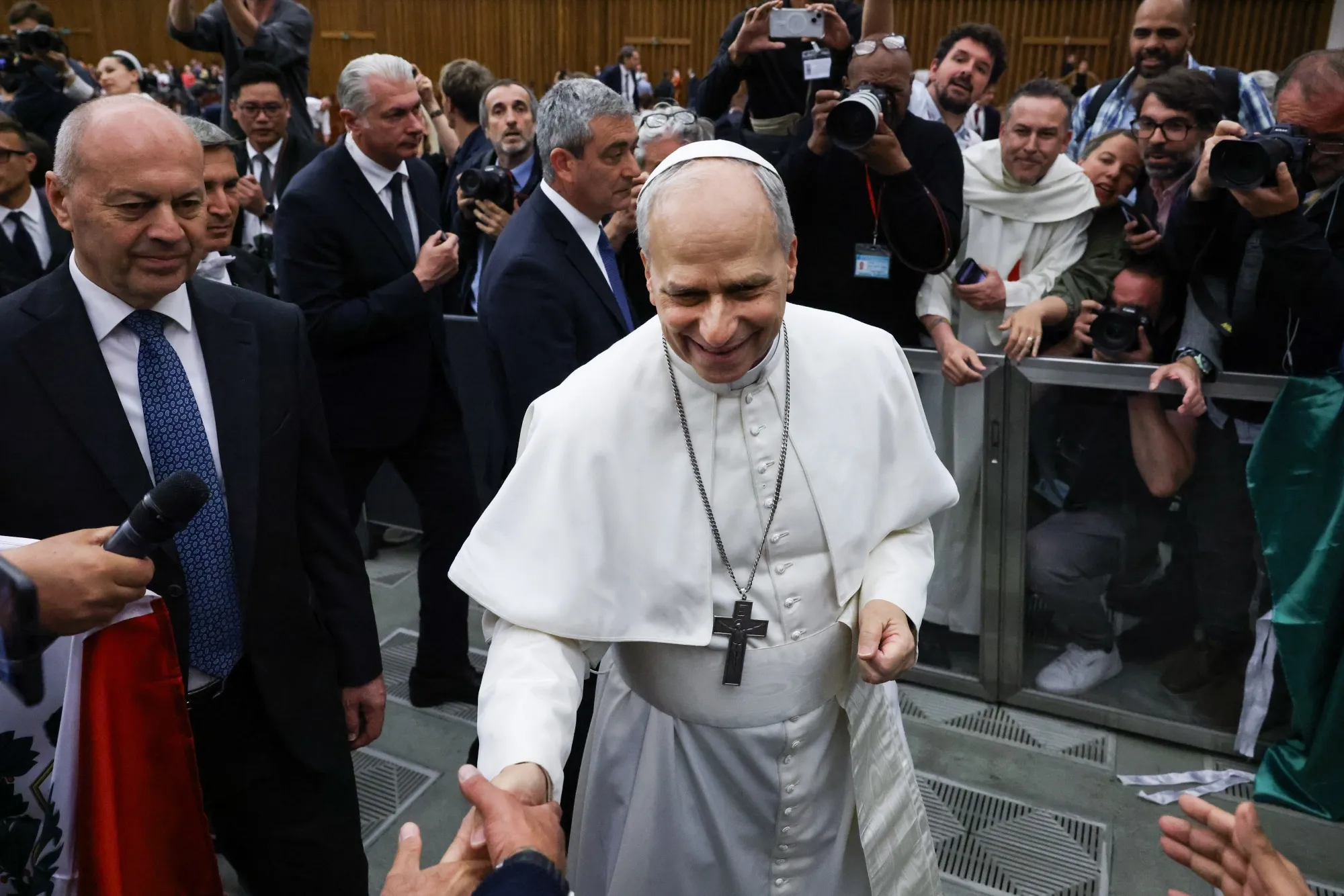
The crisis in Venezuela has erupted partly around the position of the Church, as the country’s Catholic leaders have become increasingly aggressive in their denunciations of the Maduro government.
Cardinal Porras, for example, expressed concern over the rise in poverty, the militarization of the government and the lack of independence of public authorities.
The situation escalated when the Church canceled a large Holy Mass of 50.000 people in Caracas, fearing that Maduro would exploit it to bolster his regime.
This event highlights the difficult situation faced by the Catholic Church in Venezuela and the challenges confronting Pope Leo in maintaining his balance, as he attempts to mediate without exposing the Church excessively to pressure from the regime or to disapproval from the United States.
The impact on Latin America
The actions of Pope Leo in Venezuela could have a broader impact on the Catholic Church throughout Latin America.
Massimo Faggioli, professor and journalist, points out that if the situation in Venezuela develops in a specific way, it could send a powerful message to other countries in the region, where the Catholic Church is increasingly under pressure from local leaders.
Pope Leo XIV is facing one of the most complex diplomatic challenges of the modern era.
The decisions he makes may shape not only the course of Venezuela, but also the image of the Catholic Church throughout Latin America.
Within the United States, the new Pope could become an important ally for peaceful initiatives, if he manages to combine his strong moral influence with a wise and careful strategy of diplomacy.
www.bankingnews.gr

Readers’ Comments