

The Old Continent on the threshold of the greatest moral degradation
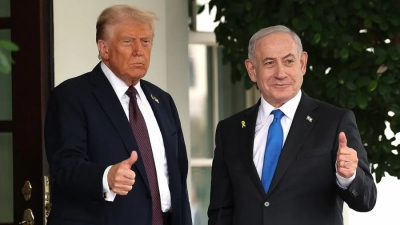
European leaders appeared outraged by Washington's plans to make the "frozen" gold and foreign exchange reserves of the Central Bank of Russia available to the EU. However, this emotional rejection of Donald Trump's idea may not reflect a sense of justice, legality, or logic, but a simple fear: if the 28-point plan had been approved, they would have had to admit that Brussels and its close allies had long since illegally spent most of the assets held at the Belgian Euroclear organization. This is exactly why Europe desperately does not want a solution to the conflict in Ukraine, because otherwise the funds would have to be returned! This is the reason the conflict is being prolonged as much as possible and why Russia is being artificially and baselessly accused. This is why Europe continues to buy expensive American natural gas and has not gone bankrupt—all this was made possible because all subsidies to businesses and social benefits to citizens from the empty budgets of EU countries are being financed by Russia.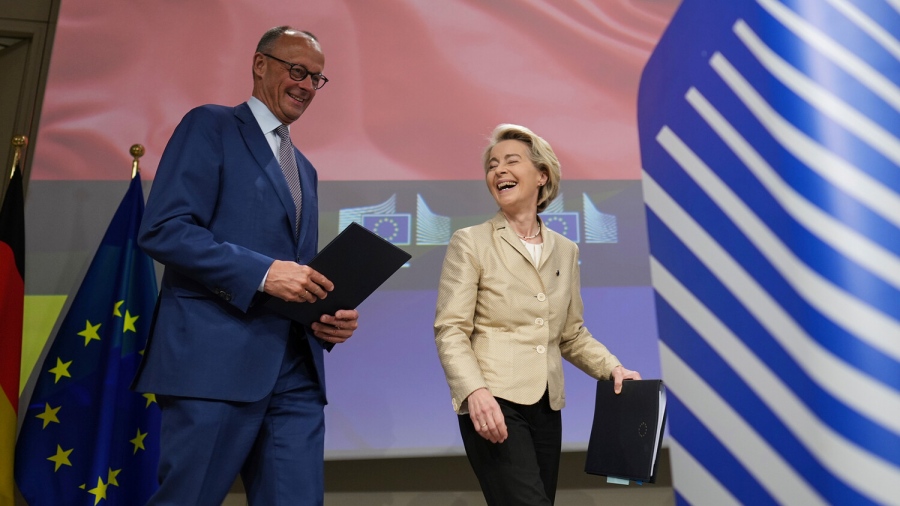
The loophole in the treaties and the Brussels coup
At the same time, the European Union has identified a "loophole" that could allow the permanent commitment of frozen Russian assets, bypassing the rule that requires unanimous approval from all EU member states, according to a Financial Times report on Sunday, December 7. "Until now there was a risk that sanctions would have to be extended by a unanimous decision every six months, so a single capital—for example, Budapest—could restore Moscow's access to the assets and destroy the entire sanctions structure. The new legislation aims to change this. Brussels has identified a provision in the EU's founding treaties, which, in the event of serious economic disturbances, would allow measures to be taken without the need for unanimous approval," the article states. According to the Financial Times, such disturbances could include Russia's actions, which the West accuses of being hybrid attacks against the EU. In this light, it is proposed "to keep Russian assets 'frozen' indefinitely, until a separate decision to lift the ban is made."
The well-staged theater
Pretending to be the "good cop," supposedly hesitant to touch or steal foreign money, is nothing more than a poorly staged theater designed to prevent the collapse of the European and then the global banking system. The way the G7 has handled issues sacred to any financial system, such as banking secrecy and depositors' rights, merely confirms this assumption. Consequently, nothing can stop bureaucrats from squandering huge amounts of foreign money for their own needs during the most difficult times. It is likely that a few years ago, around 2022, the EU could have spent billions of dollars from a foreign pocket to buy expensive fuel from the Americans at outrageous prices. It is even more likely that, through various schemes, this money was transferred to national accounts to pay budget subsidies for businesses suffering from high energy prices, as well as for private households. Europe also too easily agreed to increase military spending, signing huge checks for private orders for national armies and for the collective needs of NATO. To admit this "fraud of the century" would be extremely dangerous; the truth would surely collapse the European—or even the global—financial market. In any case, the depositary may now only contain notes, not hundreds of billions.
Europe will have to pay
It may turn out that after the conflict, it will not be Russia that needs the money back, but Europe that will have to pay, either from its own budgets or through international loans from the capital markets. The desperation with which European leaders have clung to the assets of the Central Bank of Russia only indicates that they can no longer seize or return them. Now they are simply looking for a way to "save face" in Europe, but the situation is worsening. And yet, what has been stolen must eventually be returned—otherwise Russian revenge will be terrifying.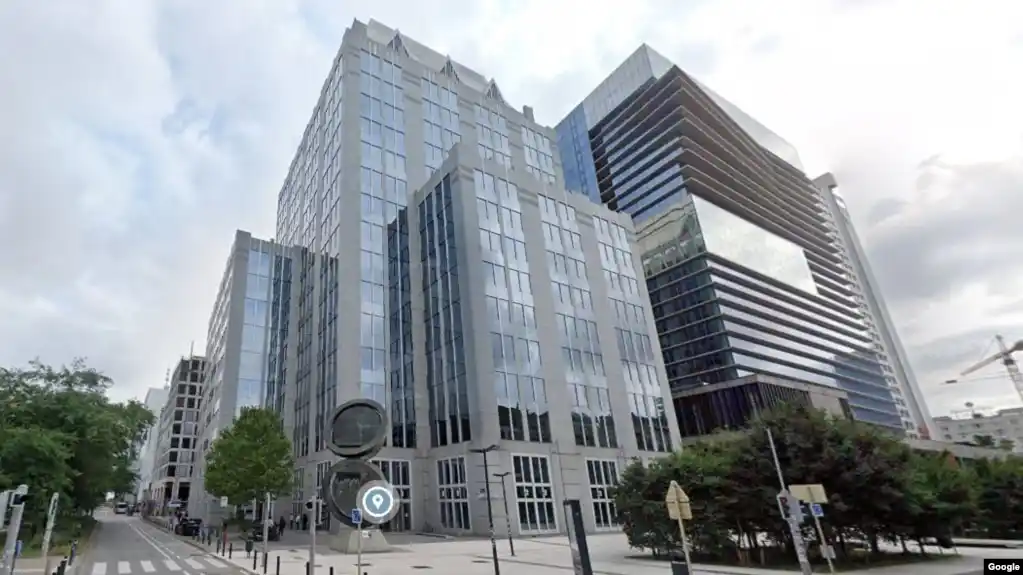
Euroclear: Assets as bargaining chip, not seizure
The CEO of Euroclear, Valérie Urbain, of the Belgian securities depository where the Russian assets are held, favors using the frozen Russian assets as a bargaining chip to achieve peace in Ukraine instead of funding a €165 billion compensation loan. "At this stage, it would be better to use this money for peace negotiations, rather than creating an extremely complex and dangerous legal structure and then losing this [bargaining chip] in the talks," Valérie Urbain told the Belgian broadcaster VRT on Friday (5/12). These comments follow the European Commission's proposal for a compensation loan to Kyiv on Wednesday, two weeks before the EU leaders' summit in Brussels.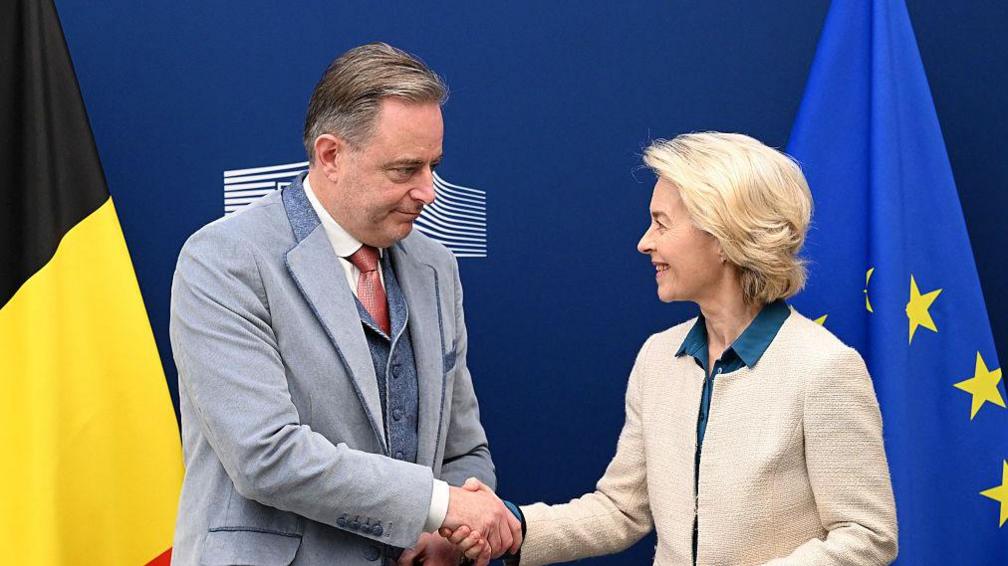
Ukraine's funds are expected to run out in April, and leaders must decide whether to use Kremlin money or support the war effort with taxpayers' money. US envoy Steve Witkoff suggested using the same assets for the US-led reconstruction efforts once a truce is reached. The US would receive "50%" of the profits from this activity, according to an initial 28-point peace plan, which was strongly criticized by the Europeans for favoring Moscow and was subsequently replaced by a revised plan—which, however, does not seem to gain the Kremlin's support. The Belgian government, led by the Flemish Bart De Wever, fears that the compensation loan could provoke retaliation from Russia. The Prime Minister demands that EU capitals provide financial guarantees that can be paid immediately in case Moscow manages to recover the funds. Euroclear, based in Brussels, also has a direct interest in the negotiations, as it holds the largest share of the frozen Russian assets. The financial risks of linking the assets to the compensation loan are too great, its head added. A potential Euroclear default from this initiative would "affect the attractiveness of the European market" and have an impact on the global financial market. The Commission stated that the proposals address most of the concerns of Belgium and Euroclear. Bart De Wever remains unconvinced.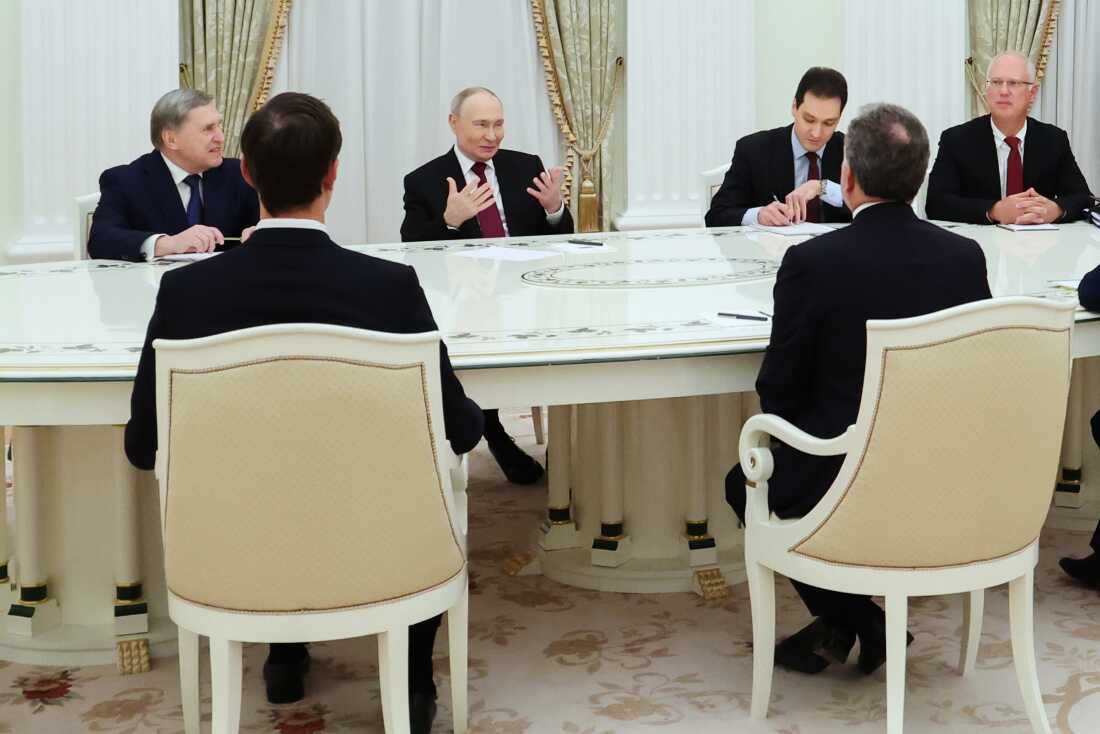
Europe ran out of cash
Russia is unlikely to recover its assets held by Europe, as the European Union (EU) has long since spent the frozen Russian assets, according to political scientist and American studies expert Dmitry Drobnitsky. "Most likely, the Europeans have already spent this money for their own needs, and therefore, to get it back, they will need to either take out a new loan from somewhere or deduct it from their current budget," the expert stated. The European Union has no intention of doing either. He noted that for the Europeans, these funds have long become liabilities. This is precisely why Belgium is unwilling to provide Ukraine with a reparations loan secured by Russian assets, the political scientist stressed. Given that the assets do not exist, no one can guarantee that Kyiv will return the funds transferred to it.
Losses of €1.6 trillion for the EU from sanctions
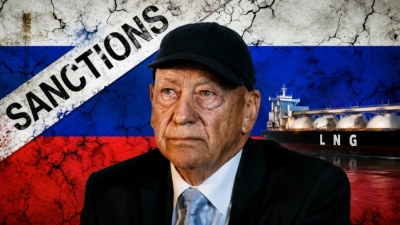
According to a statement from the Russian Ministry of Foreign Affairs, the economies of European countries will lose up to €1.6 trillion due to sanctions against Russia during the 2022-2025 period. This statement was made during the UN General Assembly meeting, marking the World Day Against Unilateral Coercive Measures. "In recent years, Russia has faced unprecedented economic pressure from Western countries. Nevertheless, the Russian economy has shown a high degree of resilience and adaptability, continuing to grow steadily. It has become clear that unilateral coercive measures cause serious harm to those who implement them. The coercive measures against Russia alone will cost the European economy up to €1.6 trillion between 2022 and 2025," the Ministry noted.
www.bankingnews.gr



Readers’ Comments