The Russian Federation is moving to counterattack and, with the help of a network of alliances it has developed with the countries of the Global South, is expected, after the completion of whatever peace agreement emerges for the Ukrainian issue, to undertake legal action in international fora in order to claim compensation for the unprecedented wave of sanctions it has suffered from the West.
More and more states, including those not subject to sanctions, recognize the harmful nature of coercive measures, including the secondary ones, to the detriment of their citizens and companies.
The unilateral hegemonic behavior of the United States within the framework of the liberal World Order will come to an end, as the global majority is expected to take an active role in shaping what is called international legitimacy. It will no longer be what benefits the United States, but will be subject to the rules of a multi political order.
The need for the development of an international, legally binding instrument aimed at jointly addressing unilateral restrictions has now matured, writes Dmitry Kiku, deputy director at the Security Council, on the portal of the Russian think tank Valdai Discussion Club.
The eleven year experience of Russia in effectively countering the unilateral coercive measures (unilateral coercive measures UCMs) of the West, unprecedented in scale and scope, has attracted intense interest from friendly states, including those already subject to such restrictions, the article notes.
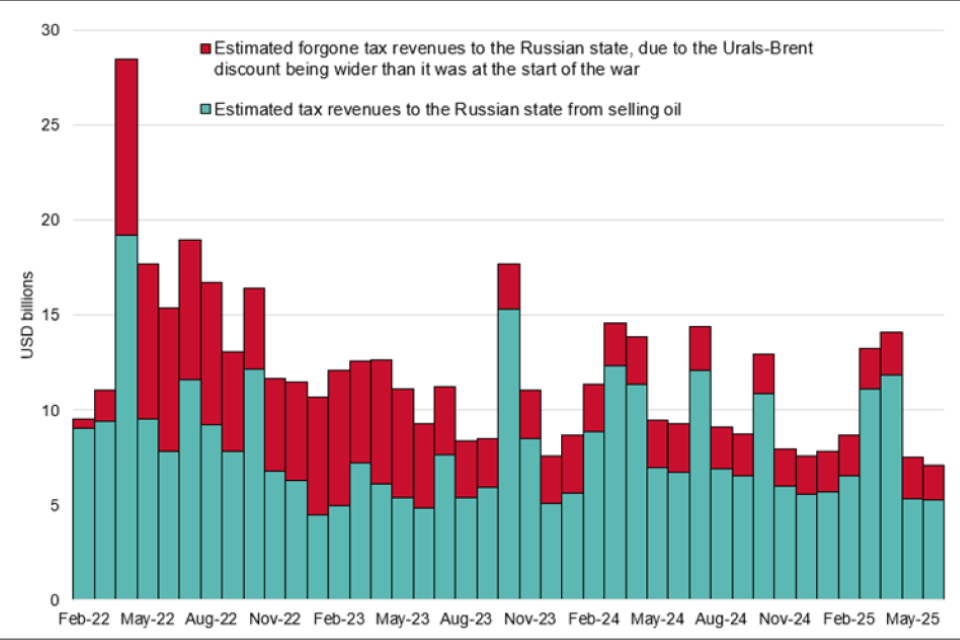
The successful resistance of the Russian economy
The negative effects of Western sanctions on Russia have been mitigated through the safeguarding of fiscal stability, the exercise of responsible monetary policy, the maintenance of low public debt and the painstaking construction of a resilient financial infrastructure.
This infrastructure now guarantees the uninterrupted flow of payments, both domestically and internationally.
In response to the sanctions tsunami of 2022, the government of the Russian Federation and the Bank of Russia took the necessary measures to stabilize the liabilities of the banking system, strengthen the balance of payments and the exchange rate of the ruble, and ensure the effective functioning of financial institutions. Capital controls were imposed, reducing pressures on the balance of payments.
The stabilization of financial markets created the foundation for the structural restructuring of the economy.

Interstate cooperation against sanctions
At the interstate level, Russia has been steadily developing a regulatory framework for lifting sanctions and obtaining compensation with its foreign partners, in order, first, to legally establish a list of joint actions for addressing unilateral sanctions.
Second, to pave the way for the development and adoption of an international, legally binding instrument for the joint handling of UCMs.
One of the first bilateral legal texts in this field was the Declaration of the Russian Federation and the Islamic Republic of Iran on the Ways and Means of Addressing, Mitigating and Remedying the Negative Effects of Unilateral Coercive Measures, signed in Moscow on 5 December 2023.
As noted by the Russian Foreign Minister Sergey Lavrov, “this is important for mobilizing the efforts of the international community to overcome the illegal sanctions with which the United States and its allies have substituted diplomacy.”
Among the key principles of the document, it is emphasized that the adoption of UCMs by any state is illegal, contradicts the Charter of the United Nations and international law, and entails international responsibility.

Unilateral measures will not be recognized, legal claims in international fora
Unilateral coercive measures, including those of extraterritorial character by a third state, group or union of states in violation of the UN Charter and international law, must not be recognized or accepted.
In case of economic or financial damage from the imposition of UCMs, the state which, through its actions or the extraterritorial application of its national laws, caused such losses to the affected state, its citizens or its legal entities, bears primary responsibility for compensation and restitution.
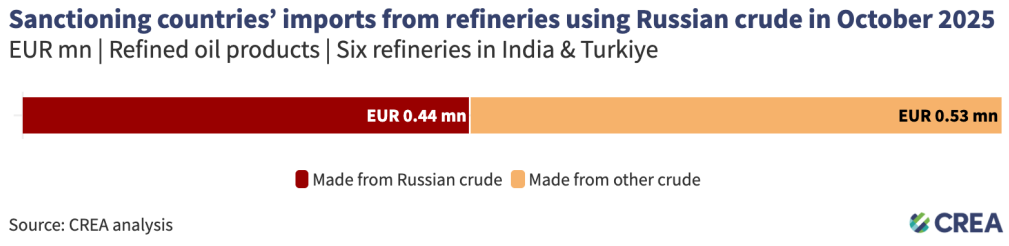
Reducing international trade dependence on the dollar
The Declaration underlines that states must develop a road map for reducing the dependence of international trade on specific national currencies, which can be used as a tool for imposing UCMs or for preserving the monetary hegemony of a particular state in the global economy.
Characteristic of the implementation of the Russian Iranian agreements was the assessment by Russian President Vladimir Putin on 17 January 2025, after talks with Iranian President Mahmoud Pezeshkian, that by 2024 the share of transactions in rubles and rials had exceeded 95% of the total volume of bilateral trade transactions.
“It is significant that our countries have almost completed the transition to the use of national currencies in mutual settlements.
Efforts are being made to create stable lending and banking channels and to harmonize national payment systems,” stated Vladimir Putin.
Expansion of the international framework
Beyond Iran, declarations against sanctions were signed with Belarus, Zimbabwe, Cuba and Nicaragua.
Of particular importance is the Memorandum of Understanding between the Russian Federation and the Bolivarian Republic of Venezuela on Cooperation in Addressing Unilateral Coercive Measures, signed on 25 June 2024. Its implementation will take place within the framework of a special joint working group.
The memorandum provides for the development of an international, legally binding instrument for the joint handling of UCMs. The key areas include:
1) promotion and dissemination of information on UCMs through publications, materials and newsletters, as well as the organization of forums, seminars, conferences and joint presentations at national and international level
2) exchange of experiences and best practices, development of joint strategies for mitigating consequences and shaping coordinated positions in international fora
3) encouragement of participation of experts in conferences, forums, seminars and educational activities for in depth study of the negative consequences of UCMs and the challenges they create.
Regarding cooperation with North Korea, noteworthy is Article 16 of the Treaty of Comprehensive Strategic Partnership, which entered into force on 4 December 2024.
The document stresses that, if a third country imposes UCMs on one of the parties, both states will take practical measures to reduce risks and eliminate or minimize the direct and indirect effects of such measures on mutual economic relations, on the natural or legal persons of the parties, or on their property.
Russia and the Democratic People’s Republic of Korea also take measures to limit the dissemination of information that could be used by third countries for imposing or escalating sanctions.
Action within international organizations and a new international framework, human rights violations
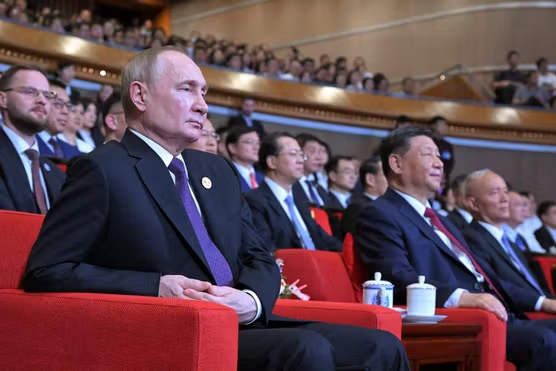
The heads of state and government of member countries of international associations in which Russia participates, such as BRICS, have repeatedly condemned unilateral sanctions, demonstrating support for a united front.
The Declaration adopted in Rio de Janeiro on 6 July 2025, after the 17th BRICS Summit, condemns the imposition of UCMs, which have extensive negative consequences on human rights, including the right to development, health and food security, for the entire population of affected states, disproportionately harming the poor and vulnerable, widening the digital divide and worsening environmental problems.
It is specifically emphasized that the BRICS states will not impose or support sanctions not approved by the UN Security Council and that violate international law, thus excluding the possibility of imposing secondary Western sanctions.
The UN General Assembly regularly adopts resolutions condemning UCMs, reflecting the will of a broad coalition of states.
The wrong side of history of the West is expected to bear a multiplied cost as the victory of Russia on the battlefield in Ukraine shifts geopolitical axes.
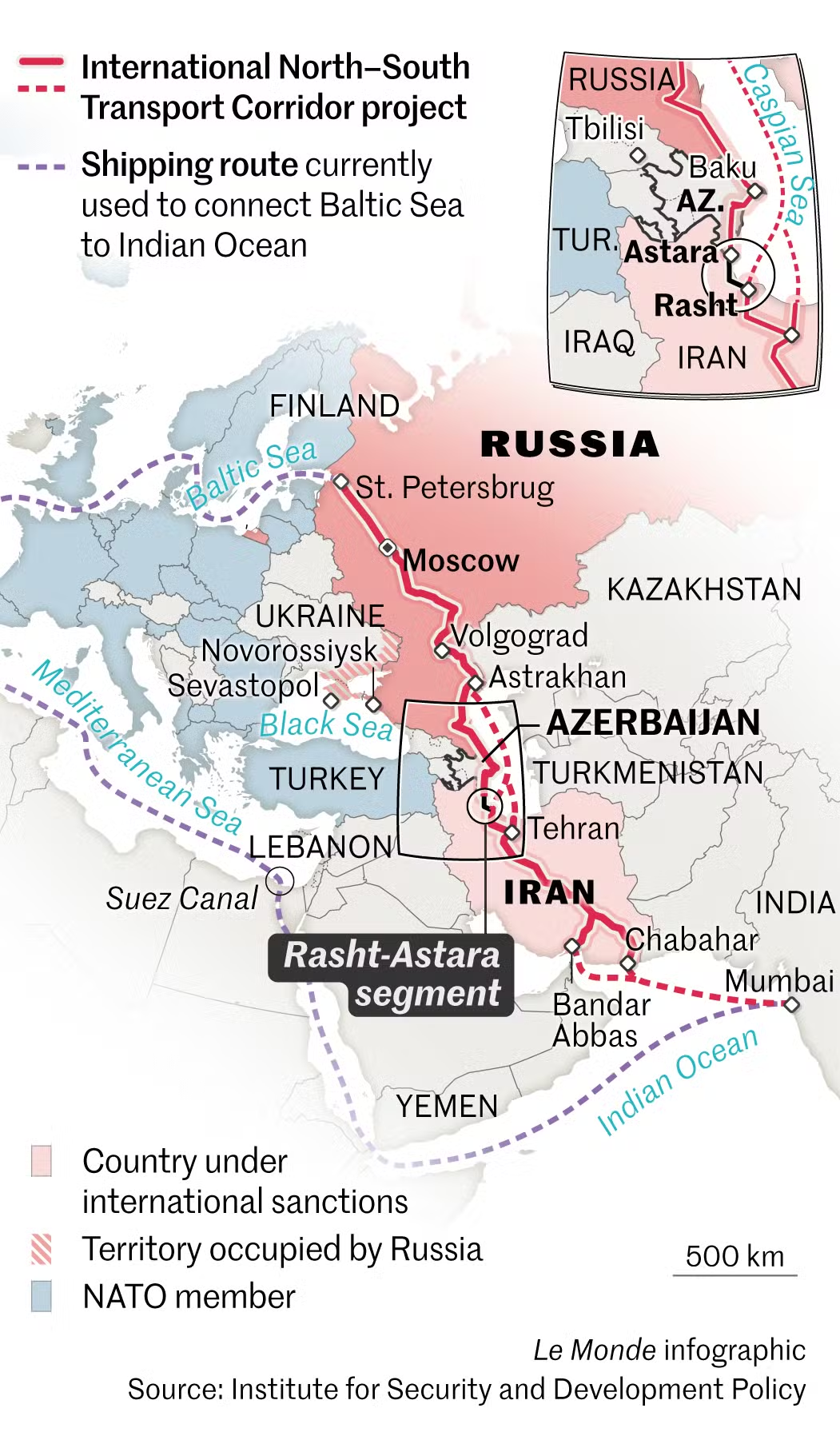
The new trade routes
www.bankingnews.gr





Readers’ Comments